
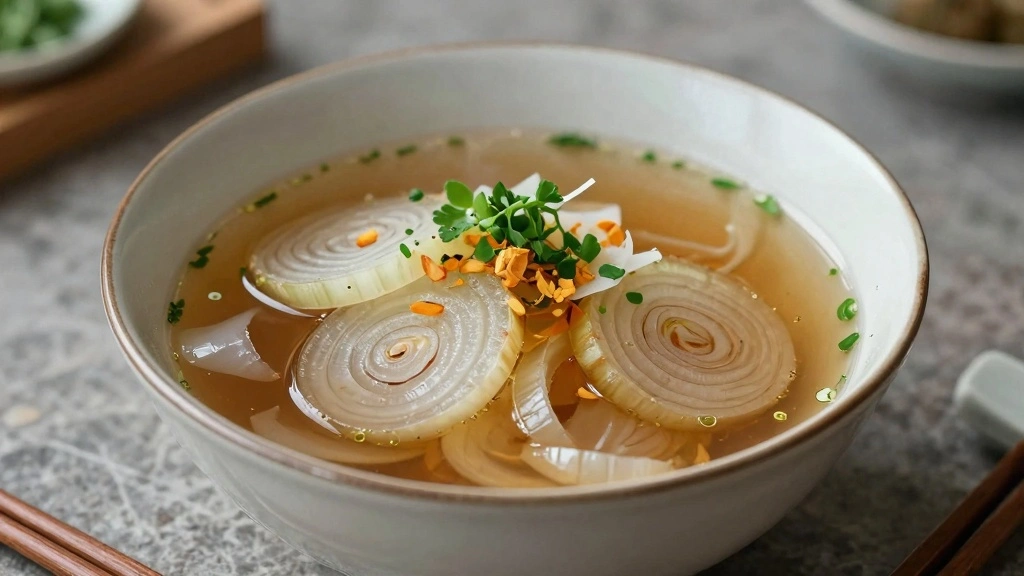
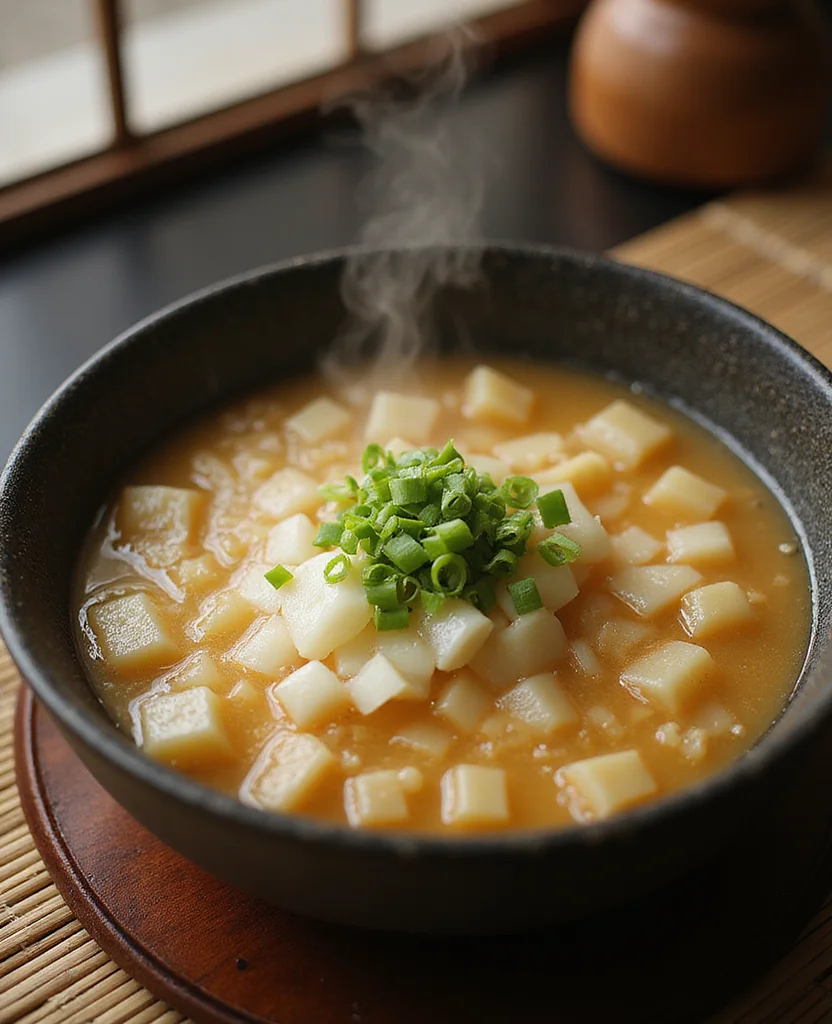
Japanese Clear Onion Soup, often served at hibachi grills, is a simple yet flavorful broth that captivates the senses.
The delicate infusion of savory onions with a hint of umami creates a soothing experience perfect for any occasion.
I first encountered this delightful soup in a bustling Tokyo eatery, where its warmth provided a welcome contrast to the chilly evening air.
Its light, clear broth is not only a testament to the art of Japanese simplicity but also a comforting staple in Japanese cuisine.
Whether you’re seeking a warm start to your meal or a light, flavorful dish on its own, this soup delivers an experience that feels both familiar and exotic.
The History and Cultural Significance
• Japanese Clear Onion Soup traces its origins to the early Edo period, where it was originally created as a simple dish by farmers using local ingredients.
• The dish evolved over decades as chefs began incorporating dashi, adding depth and umami to the broth, eventually becoming the beloved version we know today.
• In Japanese culture, this dish traditionally appears at celebratory meals and gatherings, symbolizing warmth and hospitality.
• While many variations exist across different regions, the authentic version maintains a clear, delicate broth that sets it apart from imitations.
Recommended Products

Enough for 3 servings

RICH ONION FLAVOR: Enjoy the deep, aromatic taste of Japanese-style onion consommé in every cup.

The package dimension of the product is 6"L x 5"W x 4"H


Recipe Overview
Recommended Products

3-Piece Set for Every Kitchen Task: This Cuisinart kitchen strainer set includes three sizes— 3⅛″, 5½″, and 7⅞″. Perfect as a small strainer, large strainer, or everyday colander set for all your cooking needs, from rinsing to draining.

9 inch Premium Metal strainer - Our high grade stainless steel food strainer is a must have kitchen essentials. It won`t bend or rust.

【Three Precision Mesh Options】 Available in 100, 200, and 300 mesh sizes for different filtration needs. Choose coarser filtering for pulpy juices or ultra-fine mesh for silky smooth nut milks and clarified brews.
Nutritional Information (per serving)
Recommended Products

One (1) 32 oz carton of Swanson Ramen Chicken Broth

ELEVATE EVERY DISH. From dumplings to stir-fries, salads, noodles, and marinades, this versatile sauce adds instant restaurant-quality flavor to everyday cooking.

5 grams of protein per one cup of broth


Essential Equipment Guide
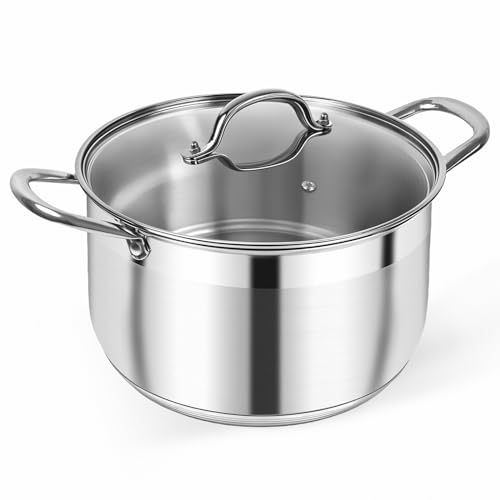
Saucepan: A medium-sized saucepan is crucial for simmering the broth evenly. A heavy-bottomed pan ensures consistent heat distribution, preventing the ingredients from sticking or burning.
Fine Mesh Strainer: To achieve the clear, smooth broth characteristic of this soup, a fine mesh strainer is essential for removing solids. Cheesecloth can be an alternative if a strainer is unavailable.
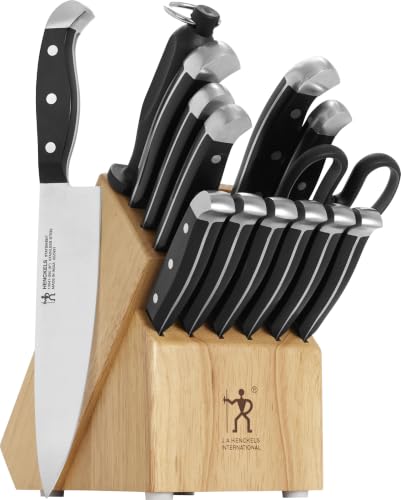
Sharp Knife: Precision slicing of onions and other ingredients ensures even cooking and presentation. A well-maintained chef’s knife is ideal, though a santoku knife can also be effective.
Recommended Products

ESSENTIAL JAPANESE-STYLE SOUP BASE – DASHI - Dashi is a cornerstone of Japanese cuisine, used daily in dishes such as miso soup, stews, udon, ramen broth, as well as ramen toppings. This essential Japanese soup stock imparts its rich umami and deep flavors to countless recipes. Often translated as “broth” or “stock,” dashi serves as the foundational base for a wide variety of Japanese dishes, including soups, stews, hot pots, ramen, sauces, and beyond.

Traditional Japanese dashi is savory and flavorful with an inviting aroma, that accentuates the Umami flavor found in its carefully selected premium ingredients.

Golden Umami Dashi Stock, Taste the premium Japan's natural ingredients: southern Japan’s Kagoshima bonito flakes, dried sardines, dried Mackerel, Nagasaki grilled flying fish, kombu kelp, shiitake mushroom These fine ingredients and flavors are expertly blended for a wonderful balance of and flavor.


Ingredients
Recommended Products


One 1 ounce packet of Onion Soup & Dip Seasoning Mix
For the Broth
|
| Amount | Ingredient | Notes |
|---|---|---|
| 1 large | onion | sliced thinly for depth of flavor |
| 1 clove | garlic | minced, adds aroma |
| 4 cups | chicken broth | base for the soup |
| 1 cup | mushrooms | sliced, adds umami |
| 1 tablespoon | soy sauce | adds savory depth |
| 1 teaspoon | ginger | freshly grated, for warmth |
Seasonings
| Amount | Ingredient | Notes |
|---|---|---|
| 1 teaspoon | salt | to taste |
| 1 teaspoon | pepper | freshly ground, for spice |
| 2 tablespoons | green onions | sliced, for garnish |


Preparation Methods
Sweating Onions: This technique involves cooking the onions on low heat to soften them without browning, which helps release their sweetness and flavor into the broth. Use a little bit of oil and cover the saucepan to maintain moisture.
Simmering Broth: Maintaining a gentle simmer is key to extracting flavors from the ingredients without clouding the broth. Avoid boiling, which can lead to a bitter taste and cloudy appearance.
Straining: Strain the broth carefully through a fine mesh strainer to remove all solids, ensuring a clear, pristine soup. Press gently on the solids to extract maximum flavor without forcing through particles.
Recommended Products

A MUST-HAVE KITCHEN ACCESSORY: Keep the pulp and herbs out of your cocktails with this stainless steel strainer. You can also use it to filter coffee grounds, strain tea leaves or juice, sift flour, or for dusting baked goods. The rim is polished with a classic mirror finish to make this wire mesh strainer a perfect way to add that professional, edgy look to your home bar.

THE ORIGINAL SOUP SOCKS: Proudly Made in the USA, these 100% natural cotton mesh bags are the easiest way to make clear, delicious broth and soup: They were highlighted in Food & Wine magazine for effortlessly achieving flavorful and clear stock.

4PCS Mesh Strainer With Long Handle: Our fine mesh straine in four different sizes: 2.8“, 3.2”, 3.9“, and 4.7”. Multiple storage options help you effortlessly complete all your screen tasks.

Step 1: Prepare Ingredients
Slice the large onion thinly.
Mince the garlic clove finely.
Slice the mushrooms evenly.
Measure out all other ingredients and have them ready.
Recommended Products

The information below is per-pack only

5 grams of protein per one cup of broth

Product Type:Health Personal Care


Step 2: Sweat the Onions
Heat a tablespoon of oil in the saucepan over medium-low heat.
Add the sliced onions and stir occasionally.
Cook until the onions are soft and translucent, about 5-7 minutes.
Avoid browning to maintain a sweet flavor.
Recommended Products

UMAMI - Utilizing the umami flavor of Shiitake Mushrooms and Kombu (kelp), this broth is a perfect balance of a variety of vegetables combined with our smoked salt. Use r miso soup, udon noodles, ramen base, as a base for japanese curry and much more!

Japanese soup stock crafted with five natural ingredients delivers rich, layered umami, creating a perfectly balanced golden broth in minutes for miso soup, udon, nimono, chawanmushi, and hot pots.

Japanese Noodle Soup Base



Step 3: Add Garlic and Ginger

Add the minced garlic and grated ginger to the onions.
Cook for an additional 2 minutes, stirring frequently.
Ensure the garlic does not burn, as it will make the soup bitter.
Look for the release of fragrant aromas.
Recommended Products

HOMEMADE GOODNESS - Our Onion Soup Mix boasts a delightful taste that captures the essence of homemade goodness. Elevate your meals with the rich and savory notes of premium onions, creating a mouthwatering experience.

Lipton Recipe Secrets Onion Mushroom is a Soup and Dip Mix has a classic onion mushroom flavor
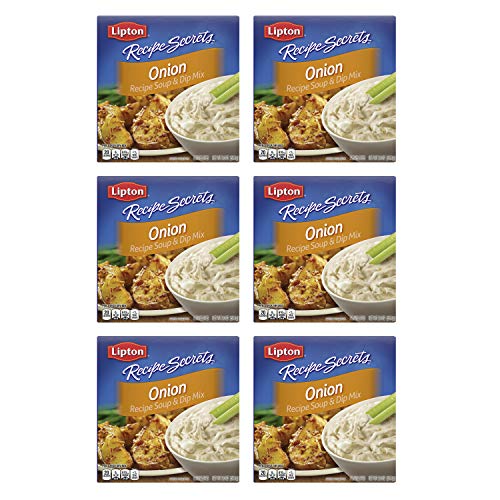
Lipton Recipe Secrets Onion Soup and Dip Mix has a tasty onion broth flavor


Step 4: Pour in the Broth

Slowly pour the chicken broth into the saucepan.
Increase the heat to medium until it starts to simmer.
Stir gently to combine the flavors.
Avoid bringing it to a rapid boil.
Recommended Products

【Food-Safe & Heat-Resistant Materials】 Crafted from food-grade PP and nylon that safely contact edibles directly. Withstands high temperatures and frequent cleaning with boiling water, salt water, milk, and other common ingredients.

8-Inch Reinforced – Designed with reinforced mesh and structure to help handle repeated commercial kitchen use while delivering consistent straining performance.

【Choose Your Size & Pack】 Available in 8"x12", 9.5"x14" and 12"x18" sizes with 2-Pack, 4-Pack and 6-Pack options, plus a 3-Size Variety Pack with one of each size.


Step 5: Add Mushrooms and Soy Sauce
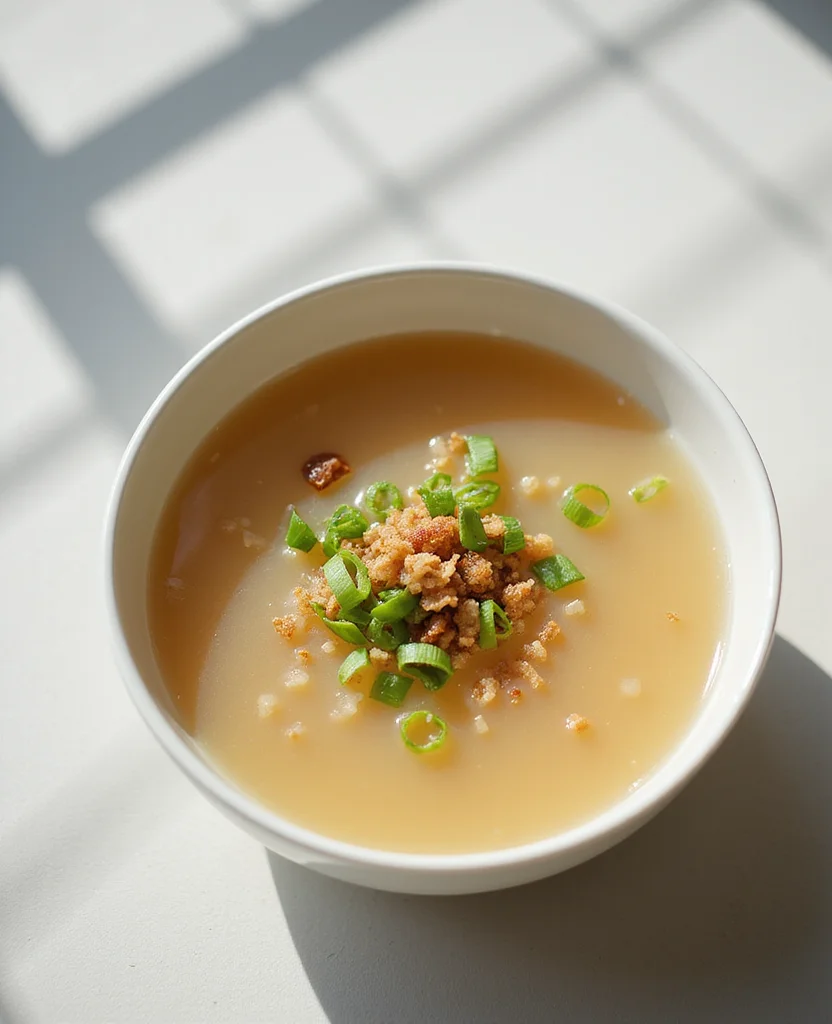
Add the sliced mushrooms and soy sauce to the simmering broth.
Stir to incorporate the soy sauce evenly.
Let the mixture simmer gently for 15 minutes.
The mushrooms should be tender but not overcooked.


Step 6: Season the Broth
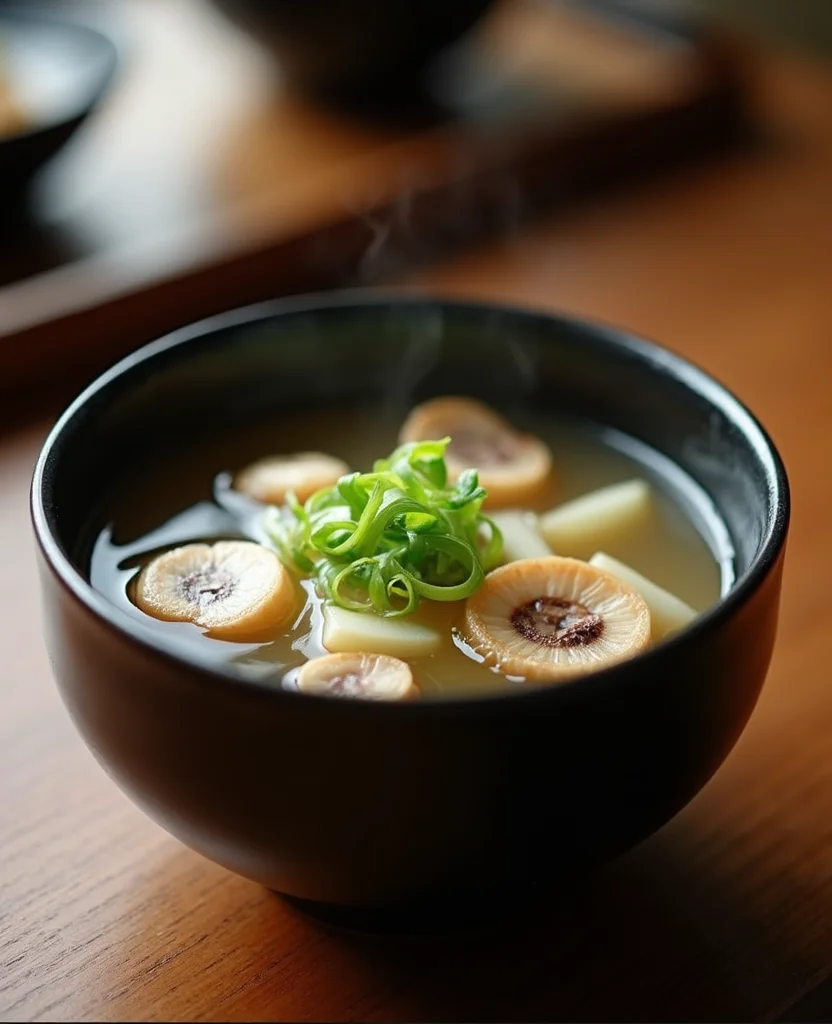
Add salt and freshly ground pepper to taste.
Stir well to dissolve the seasonings.
Taste the broth to adjust seasoning if necessary.
Ensure a balanced flavor profile.


Step 7: Strain the Broth
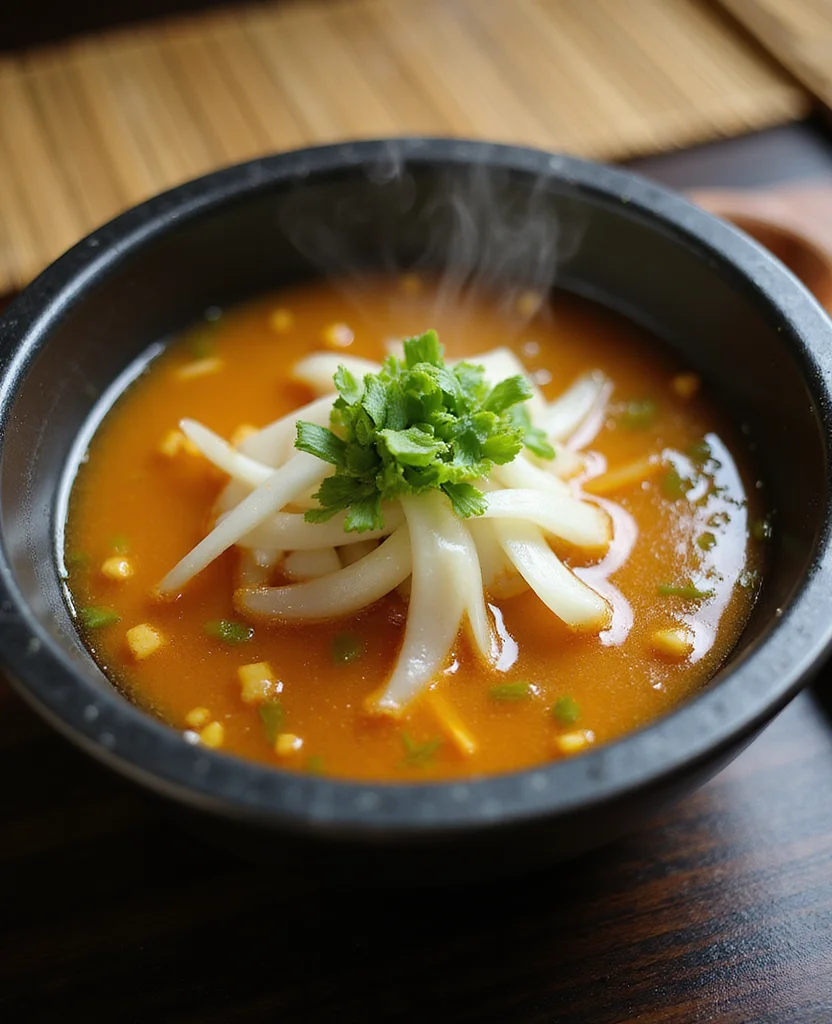
Place a fine mesh strainer over a large bowl.
Carefully pour the broth through the strainer to remove solids.
Press gently on the solids to extract extra flavor.
Discard the solids and return the clear broth to the saucepan.



Step 8: Garnish and Serve
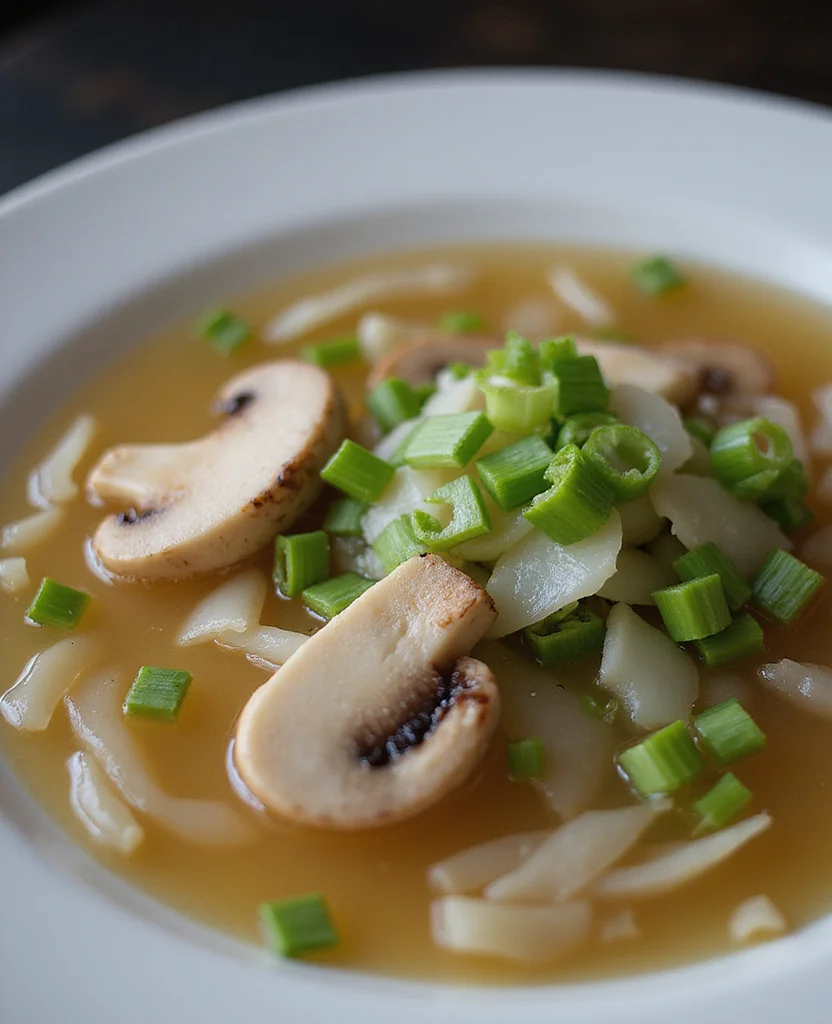
Reheat the broth gently over low heat if necessary.
Ladle the hot soup into individual bowls.
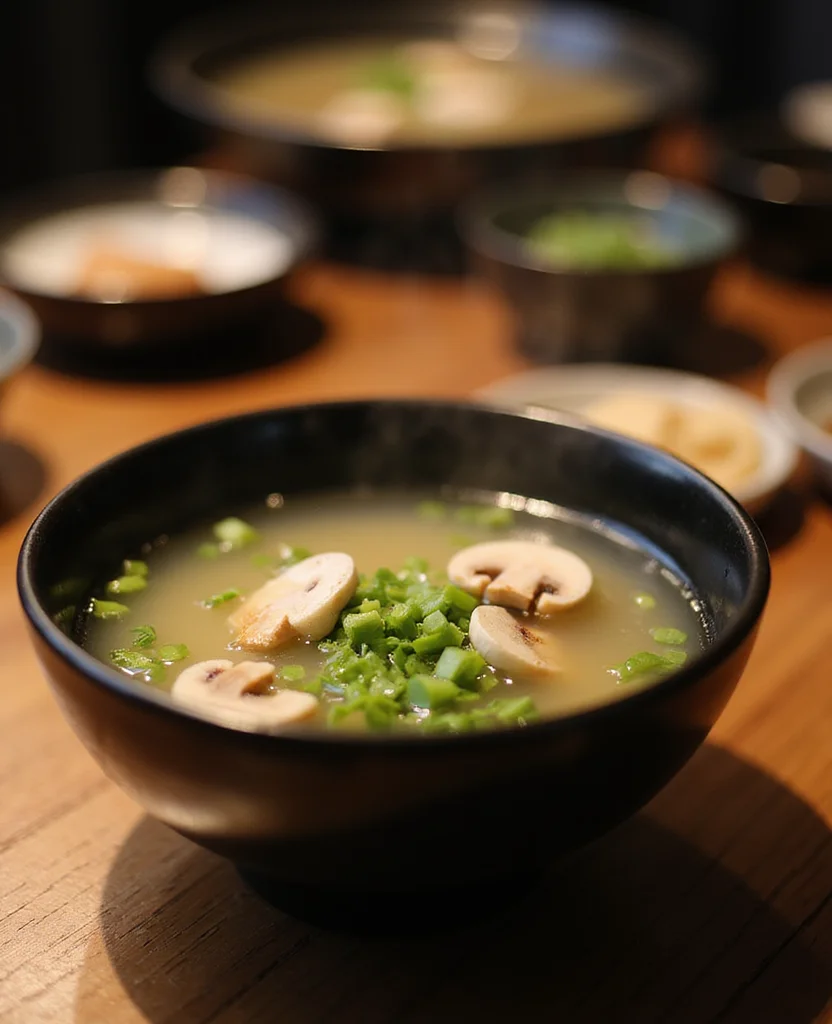
Garnish with sliced green onions.
Serve immediately while hot.
Critical Timing and Temperature Guide
Sweating Onions: Cook onions over medium-low heat for 5-7 minutes until translucent. Avoid high heat to prevent browning and bitterness.
Simmering Broth: Maintain a gentle simmer at about 185°F (85°C) for 15 minutes to allow flavors to meld without boiling.
Reheating Broth: Gently reheat the strained broth over low heat. Do not boil, as it can alter the flavor and clarity.
Pro Tips for Japanese Clear Onion
• Ingredient Selection: Use fresh, high-quality onions and ginger as they significantly impact the soup's flavor and aroma.
• Preparation Secret: Grate ginger finely to distribute its flavor evenly throughout the broth.
• Temperature Management: Keep the simmer low to avoid clouding the broth with impurities.
• Texture Enhancement: Strain the broth thoroughly to achieve a smooth, clear texture.
• Flavor Layering: Add soy sauce gradually to balance the savory depth without overpowering the broth.
• Make-Ahead Strategies: Prepare the broth a day in advance and store in the refrigerator to allow flavors to develop. Reheat gently before serving.
• Restaurant-Quality Finishing Touches: Garnish with finely sliced green onions just before serving for a fresh burst of flavor.
• Equipment Optimization: A heavy-bottomed saucepan ensures even cooking and prevents the soup from scorching.

Troubleshooting Common Issues
• Broth Cloudy: Caused by boiling the broth or not straining properly. Always maintain a gentle simmer and use a fine mesh strainer.
• Flavors Unbalanced: Too much soy sauce can overpower the dish. Add gradually and taste frequently.
• Onions Burned: Cooking over high heat can burn onions. Keep the heat low and stir occasionally.
• Broth Too Salty: If over-seasoned, dilute with additional chicken broth.
• Insufficient Flavor: Ensure onions are cooked till soft and use fresh ginger for a more pronounced taste.
• Garnish Sinking: Add green onions just before serving to keep them floating and vibrant.
Variations and Regional Differences
• Kansai Style: Often includes a splash of sake and kombu for additional umami, reflecting the region's love for rich flavors.
• Kyushu Variation: Incorporates local shiitake mushrooms and sometimes includes a hint of yuzu for a citrusy note.
• Tokyo Version: Focuses on simplicity, using minimal ingredients to highlight the dashi and onion flavors.
• Okinawa Twist: Adds goya (bitter melon) slices, providing a unique bitter contrast that is typical in Okinawan cuisine.
Food Science Behind the Recipe
• Maillard Reaction: While not typically desired in this recipe, understanding how browning affects flavor helps maintain the soup's clarity by avoiding high heat.
• Umami Chemistry: The combination of onions, mushrooms, and soy sauce creates a robust umami profile by releasing amino acids like glutamate.
• Heat Transfer: Slow, even heating allows flavors to meld without breaking down delicate components, preserving the soup's clarity.
Frequently Asked Questions
What's the most common mistake people make when preparing Japanese Clear Onion Soup? Boiling the broth, which leads to a cloudy soup.
Can I use vegetable broth instead of chicken broth? Yes, vegetable broth can be a great alternative for a vegetarian version.
How can I intensify the flavor of the soup? Allow the soup to simmer longer at a low heat to extract more flavors.
What type of onion works best? Yellow onions are ideal for their balance of sweetness and flavor.
Is it okay to add other vegetables? While traditional recipes are simple, adding carrots or celery can enhance flavor subtly.
How long does the soup last in the refrigerator? It can be stored for up to 3 days in an airtight container.
Can I freeze the soup? Yes, freeze the strained broth for up to 3 months, then thaw and reheat gently.
Serving and Presentation Guide
• Traditional Presentation: Serve in small, elegant bowls with a garnish of finely sliced green onions on top.
• Modern Twist: Use clear glass bowls to highlight the clarity and color of the broth.
• Family Style: Present in a large soup tureen, allowing guests to serve themselves.
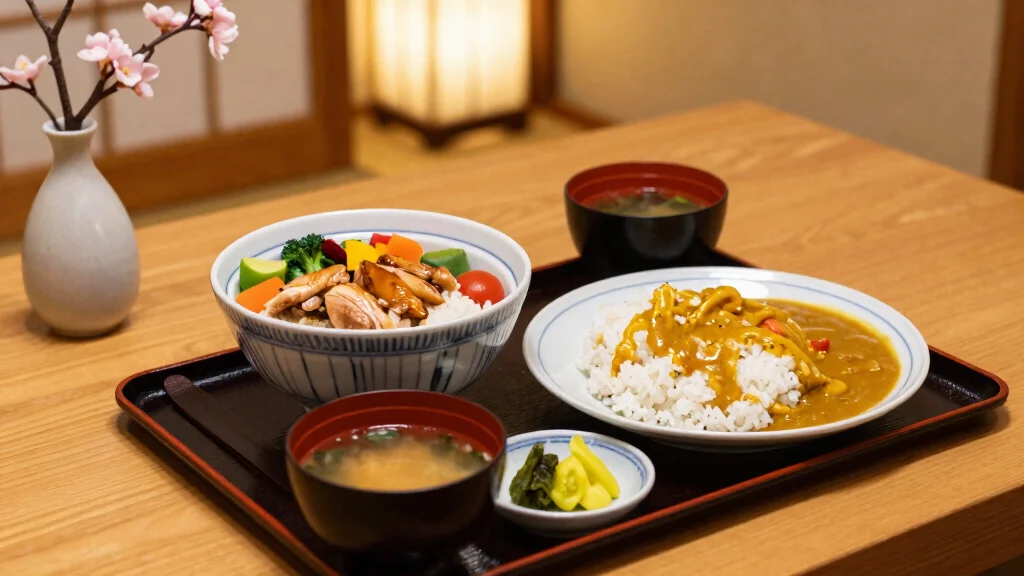
• Restaurant Style: Accompany with a small plate of pickled vegetables or a side of steamed rice for a complete meal.



Conclusion
With its delicate flavors and soothing warmth, Japanese Clear Onion Soup is a timeless dish that brings comfort and delight.
Its simplicity allows the quality of ingredients to shine, offering a culinary experience that's both authentic and memorable.
I encourage you to try this recipe and savor the harmonious blend of flavors that define Japanese cuisine.