
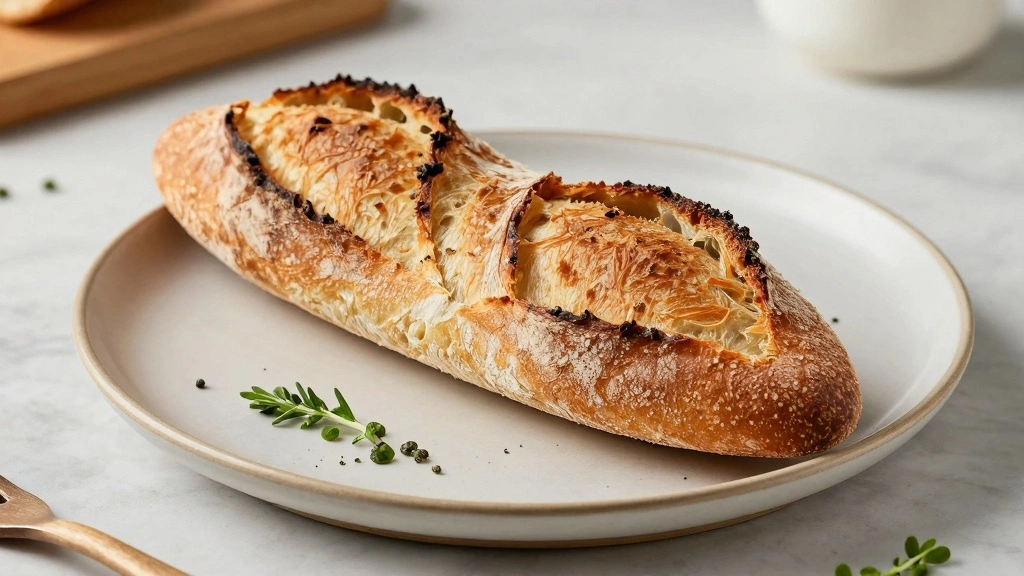
This classic Crusty French Bread recipe brings together centuries of culinary tradition with modern techniques to create a dish that’s both comforting and elegant.
The harmonious balance of a crisp, golden crust and a soft, airy crumb creates a memorable dining experience that will have everyone asking for your secret.
I discovered this recipe during my travels through France, where local bakers have perfected it through generations of careful refinement.
Whether you’re preparing a casual family dinner or hosting a special celebration, this artisan baguette delivers impressive results with straightforward preparation.
As the aroma of freshly baked bread fills your kitchen, you’ll understand why this staple has been cherished for so long.
The History and Cultural Significance
• Crusty French Bread traces its origins to 18th-century France, where it was originally created by skilled artisan bakers.
• The dish evolved over decades as techniques such as steam baking were introduced, eventually becoming the beloved version we know today.
• In French culture, this dish traditionally appears at family meals and festive occasions, symbolizing community and sharing.
• While many variations exist across different regions, the authentic version maintains a crisp crust and airy crumb that sets it apart from imitations.




Recipe Overview
Nutritional Information (per serving)
Essential Equipment Guide
Baking Stone: A baking stone is crucial for achieving the authentic crusty texture by providing even heat distribution. Alternatives like a heavy-duty baking sheet can work, but look for a thick, high-quality stone for best results.
Water Spritzer: This tool is important for creating steam in the oven, which helps develop the crust. A simple spray bottle can be used, but ensure it can produce a fine mist for even coverage.
Bench Scraper: A bench scraper aids in handling the sticky dough efficiently without tearing it. A sturdy metal scraper is preferred, but a plastic one can also suffice if used carefully.



Ingredients
For the Dough
|
| Amount | Ingredient | Notes |
|---|---|---|
| 3.5 cups | all-purpose flour | provides structure |
| 1.25 cups | water | lukewarm, activates yeast |
| 2.25 teaspoons | active dry yeast | leavening agent |
| 2 teaspoons | salt | enhances flavor |
| 1 teaspoon | sugar | feeds yeast |
Preparation Methods
Autolyse: This technique involves mixing flour and water and letting it rest before adding other ingredients. It allows the flour to fully hydrate and enzymes to begin breaking down starches, resulting in improved gluten development and a better-textured bread.
Stretch and Fold: Used during the rising process, this technique involves gently stretching and folding the dough to strengthen the gluten network without overworking it. It helps achieve the desired airy crumb structure.
Scoring: Before baking, scoring the loaf with a sharp blade allows it to expand properly in the oven. Proper scoring also adds to the aesthetic appeal and prevents uneven bursting.


Step 1: Prepare Ingredients
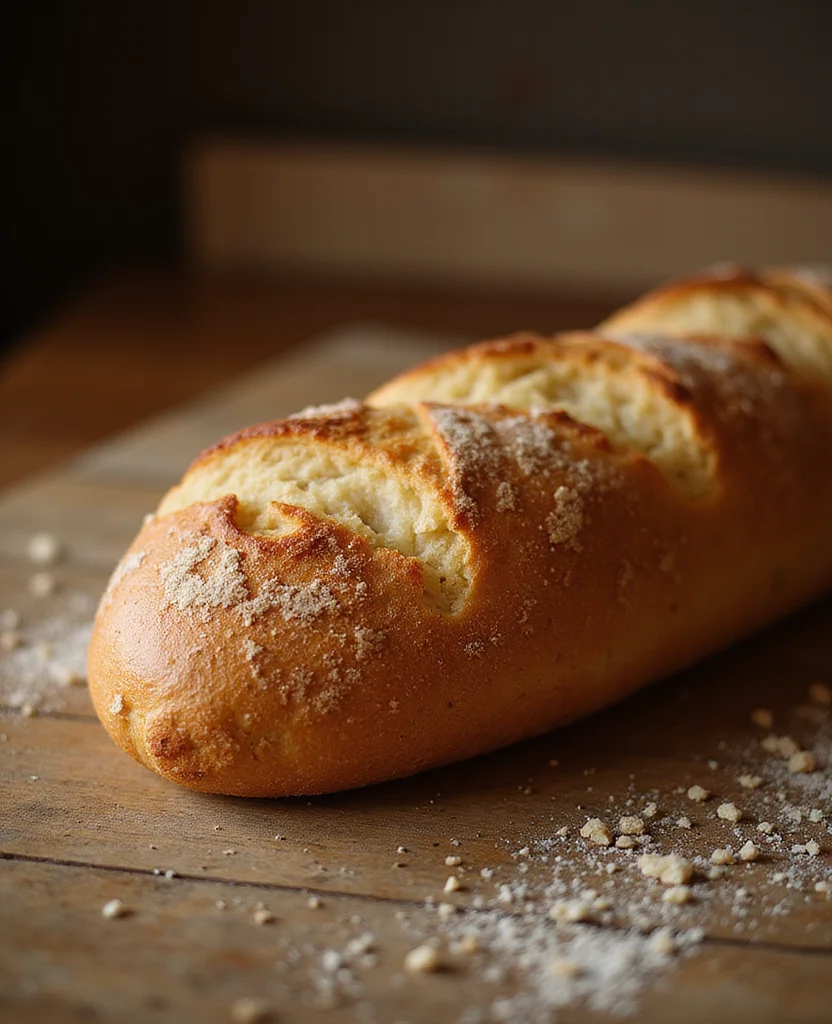
Measure out all ingredients accurately using a kitchen scale.
Combine the flour, yeast, salt, and sugar in a large mixing bowl.
Ensure the water is lukewarm to properly activate the yeast.
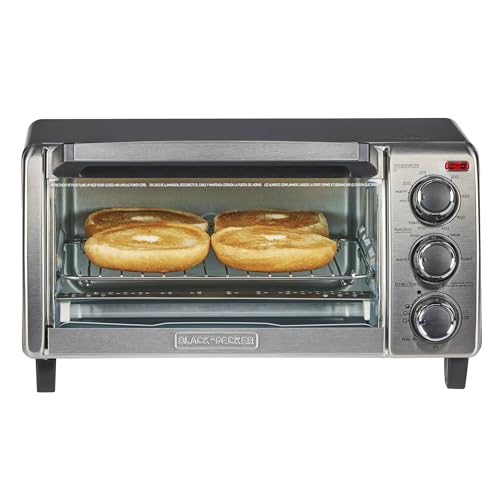
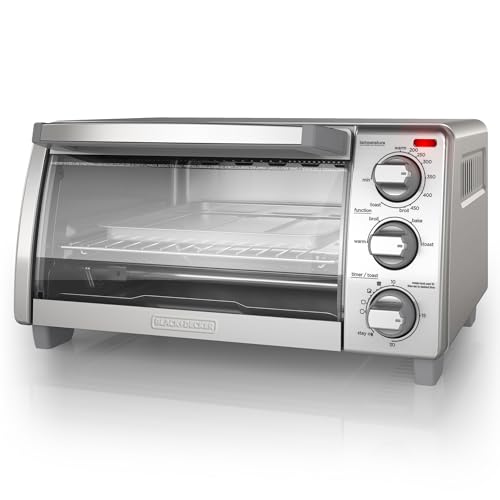
Gather all equipment needed for the recipe.




Step 2: Mix and Autolyse
Add the lukewarm water to the dry ingredients in the mixing bowl.
Stir gently with a wooden spoon until a shaggy dough forms.
Cover the bowl with a damp cloth and let it rest for 30 minutes.
This autolyse period allows the flour to fully hydrate.
Step 3: Knead the Dough
Turn the dough onto a lightly floured surface.
Knead by hand for 10 minutes until smooth and elastic.
Use a push and fold technique to develop the gluten.
The dough should be slightly tacky but not sticky.
Step 4: First Rise
Place the kneaded dough in a lightly oiled bowl.
Cover with plastic wrap and let it rise in a warm place for 1 hour.
The dough should double in size during this time.
This first rise develops flavor and texture.
Step 5: Stretch and Fold
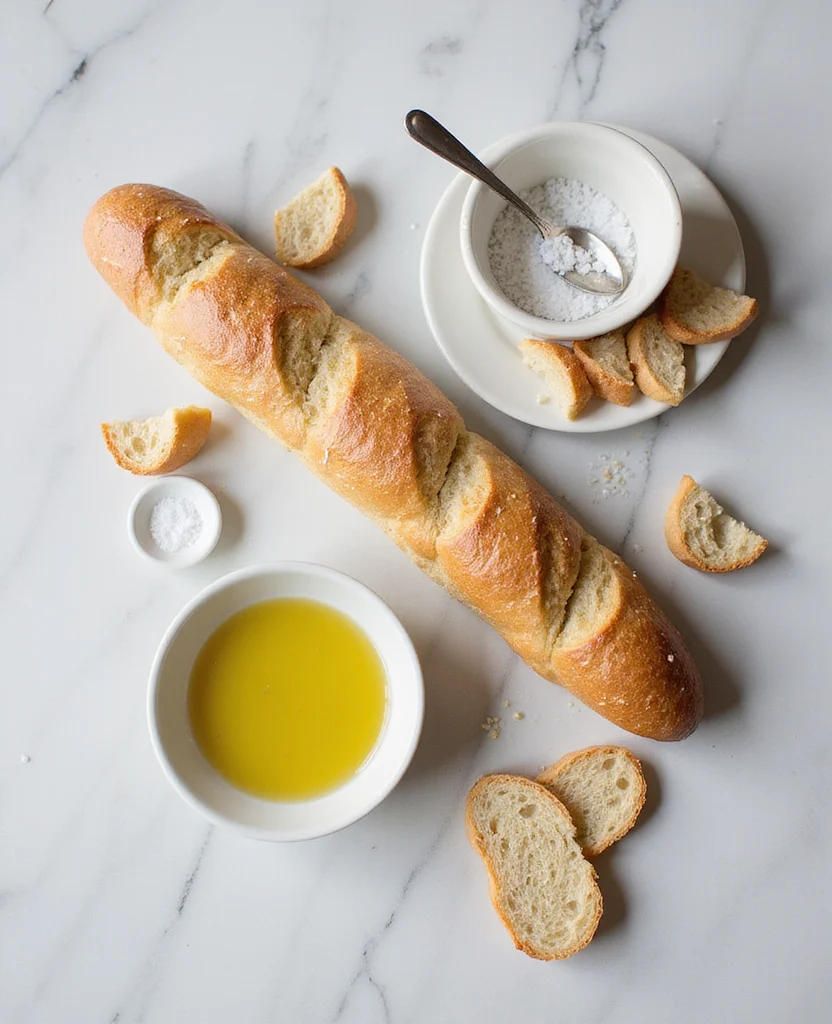
Gently deflate the dough by pressing down with your hands.
Perform a series of stretches and folds every 30 minutes for 1 hour.
This strengthens the gluten structure without overworking the dough.
Cover the dough with a cloth between each fold.
Step 6: Shape the Loaves
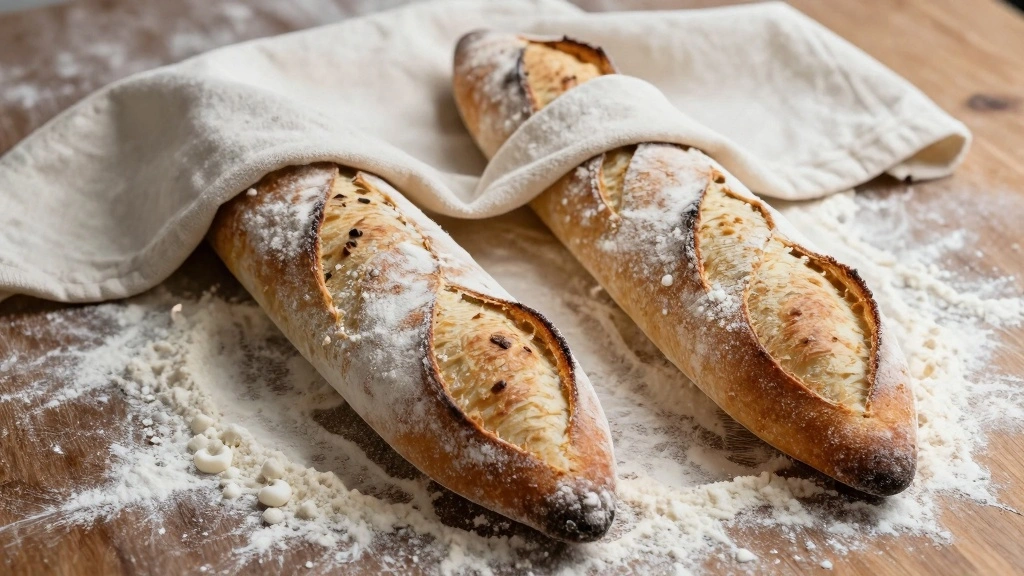
Divide the dough into 2 equal pieces using a bench scraper.
Shape each piece into a baguette by flattening and rolling tightly.
Pinch the seam to seal and place seam-side down on a floured surface.
Cover and let rest for 15 minutes.
Step 7: Final Rise
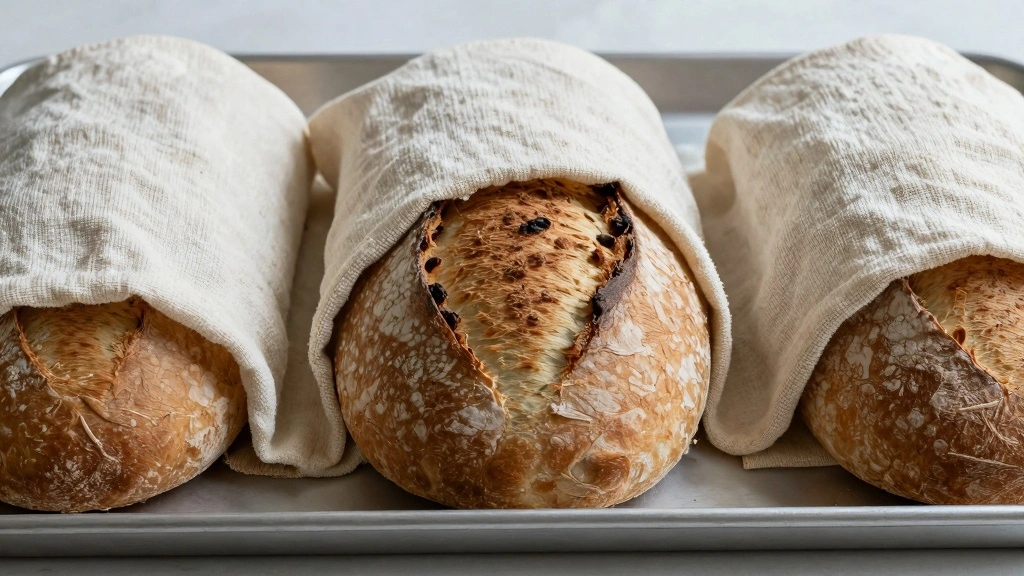
Transfer the shaped loaves to a parchment-lined baking sheet.
Cover with a damp cloth and let rise for 45 minutes until puffy.
This final rise enhances the lightness and volume of the bread.
Ensure the loaves are not over-proofed.
Step 8: Preheat Oven and Score
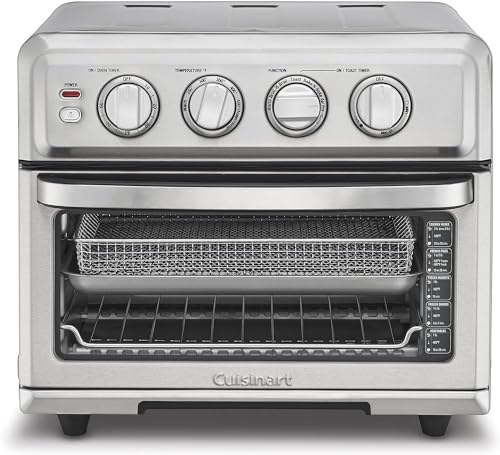
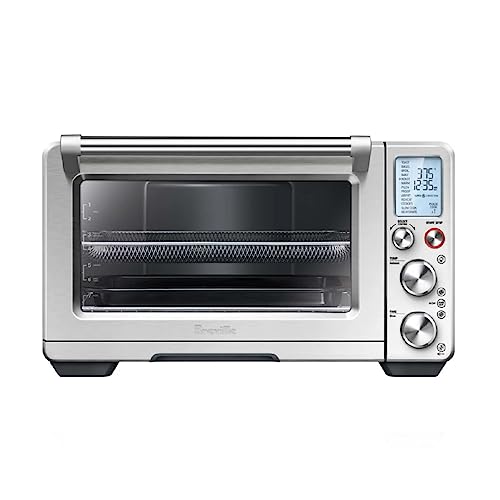
Preheat the oven to 450°F (230°C) with a baking stone inside.
Use a sharp blade to score the tops of the loaves with diagonal slashes.
Scoring allows the loaves to expand during baking.
Ensure the cuts are deep enough for proper expansion.
Step 9: Bake the Bread
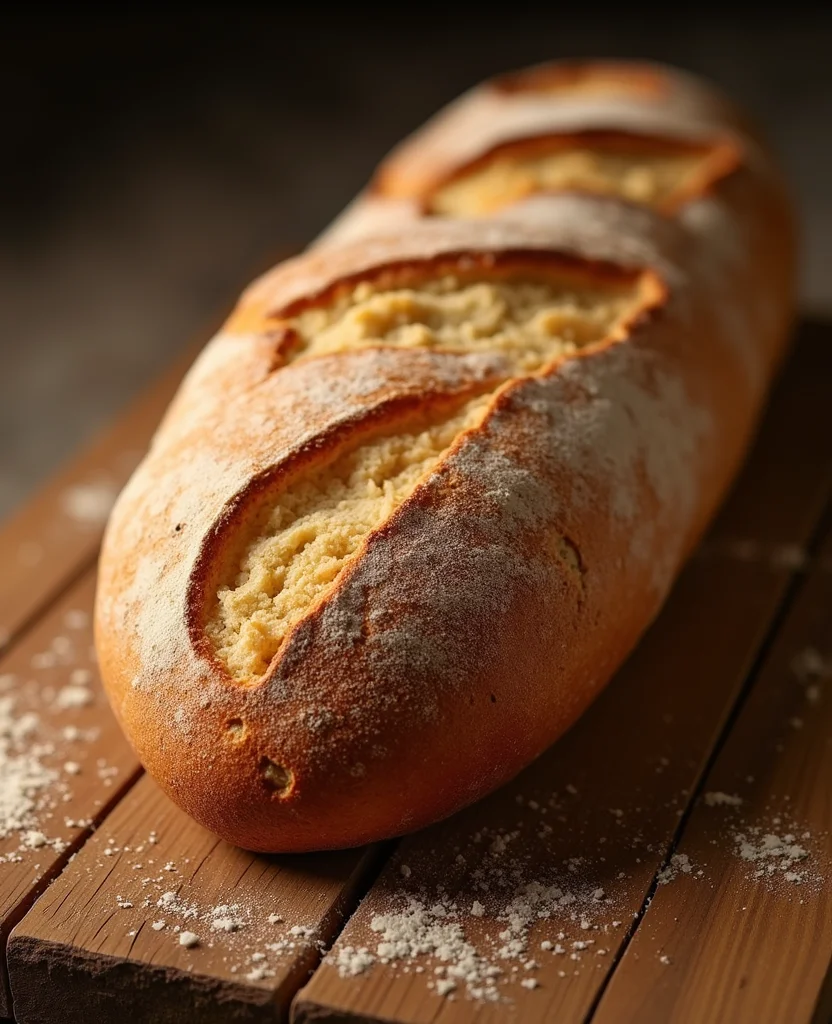
Transfer the loaves to the preheated baking stone using the parchment paper.
Spritz the oven walls with water to create steam.
Bake for 20-25 minutes until golden brown and crusty.
The loaves should sound hollow when tapped on the bottom.
Step 10: Cool and Serve
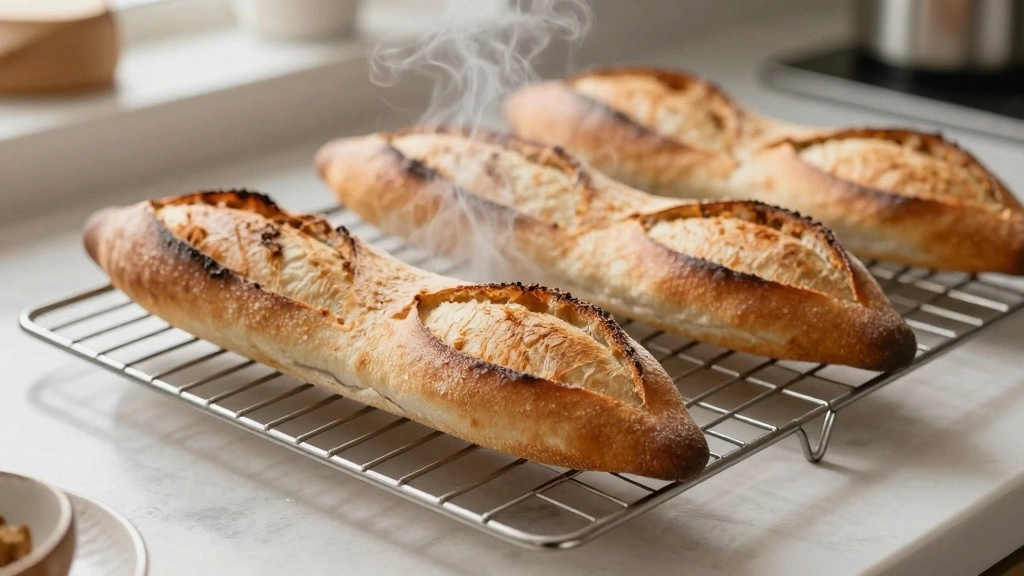
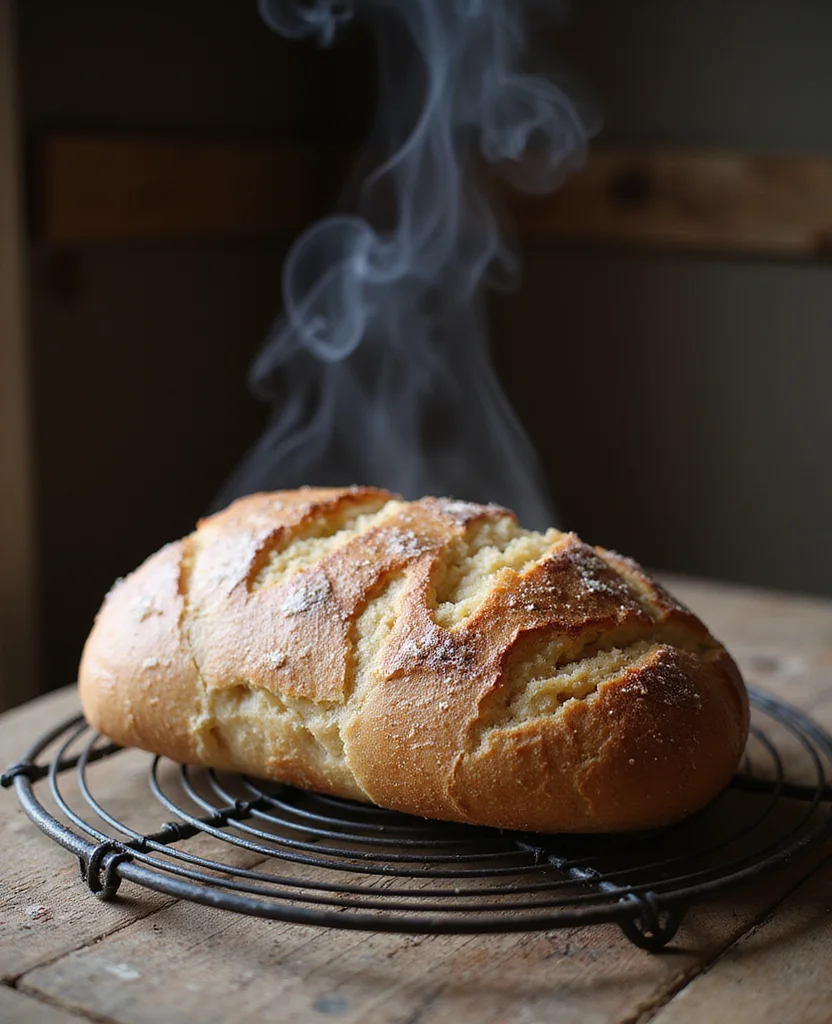
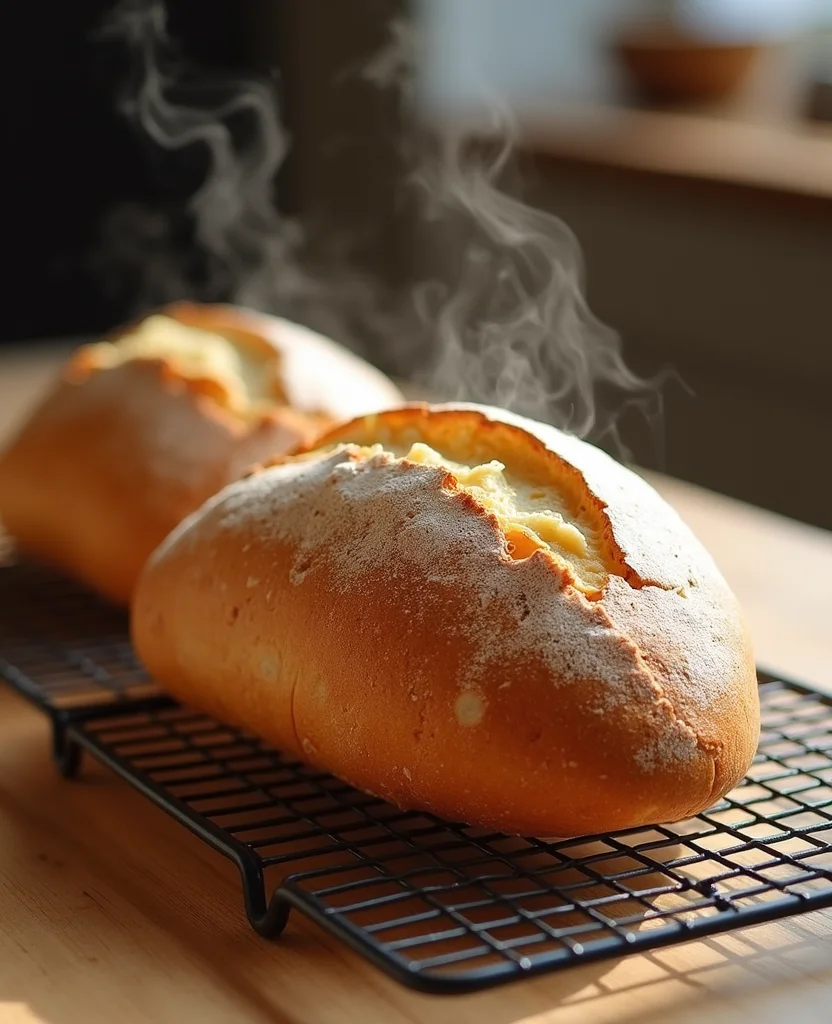
Remove the loaves from the oven and transfer to a wire rack.
Allow them to cool completely before slicing.
This cooling period is crucial for the crumb to set properly.
Enjoy your homemade crusty French bread fresh or stored.
Critical Timing and Temperature Guide
Mixing and Autolyse: 30 minutes for autolyse, ensuring dough is well hydrated and begins gluten development.
First Rise: 1 hour at a warm room temperature (around 75°F/24°C) until doubled in size; avoid drafty areas.
Baking: 20-25 minutes at 450°F (230°C) until golden brown; avoid opening the oven frequently to maintain steam.
Pro Tips for Crusty French Bread
• Ingredient Selection: Use high-quality all-purpose flour and active dry yeast for the best rise and flavor.
• Preparation Secret: Resting the dough in the fridge overnight can enhance flavor and texture.
• Temperature Management: Ensure water is lukewarm (about 105°F/40°C) to properly activate yeast.
• Texture Enhancement: The stretch and fold technique is key to developing the perfect crumb.
• Flavor Layering: Adding a small amount of sugar feeds the yeast and enhances the crust color.
• Make-Ahead Strategies: Prepare and freeze the shaped loaves before final proofing, then bake from frozen.
• Restaurant-Quality Finishing Touches: Brush loaves with melted butter after baking for a glossy finish.
• Equipment Optimization: If you don't have a baking stone, preheat an inverted baking sheet for a similar effect.


Troubleshooting Common Issues
• Texture Too Dense: Caused by insufficient kneading or proofing; ensure gluten is well developed and allow dough to rise fully.
• Flavors Unbalanced: Often due to incorrect salt measurement; double-check ingredient quantities and taste the dough lightly.
• Crust Not Crispy: May result from low oven temperature or lack of steam; ensure oven is hot and spritz with water during baking.
• Dough Not Rising: Could be due to inactive yeast or too cool rising environment; test yeast before use and rise in a warm place.
• Bread Sticking to Pan: Avoid by using parchment paper or a well-floured surface; ensure loaves are properly shaped.
Variations and Regional Differences
• Parisian Baguette: Features a slightly higher hydration level and is often made with a poolish starter for additional flavor.
• Sourdough Baguette: Incorporates natural sourdough starter instead of commercial yeast, offering a tangy flavor and chewy texture.
• Whole Wheat Baguette: Replaces a portion of the white flour with whole wheat for a heartier loaf with a nutty flavor.
• Herbed Baguette: Adds fresh herbs like rosemary or thyme to the dough for a fragrant twist on the classic recipe.
Food Science Behind the Recipe
• Gluten Development: The kneading and folding processes align gluten strands, giving the bread its structure and chew.
• Fermentation: Yeast fermentation produces carbon dioxide, which creates air pockets in the dough, resulting in a light crumb.
• Maillard Reaction: Occurs during baking, giving the crust its golden color and complex flavor through sugar and protein interaction.
Frequently Asked Questions
What's the most common mistake people make when preparing Crusty French Bread? Overworking the dough or not allowing enough time for fermentation can lead to dense bread.
Can I use instant yeast instead of active dry yeast? Yes, but reduce the amount by 25% since instant yeast is more potent.
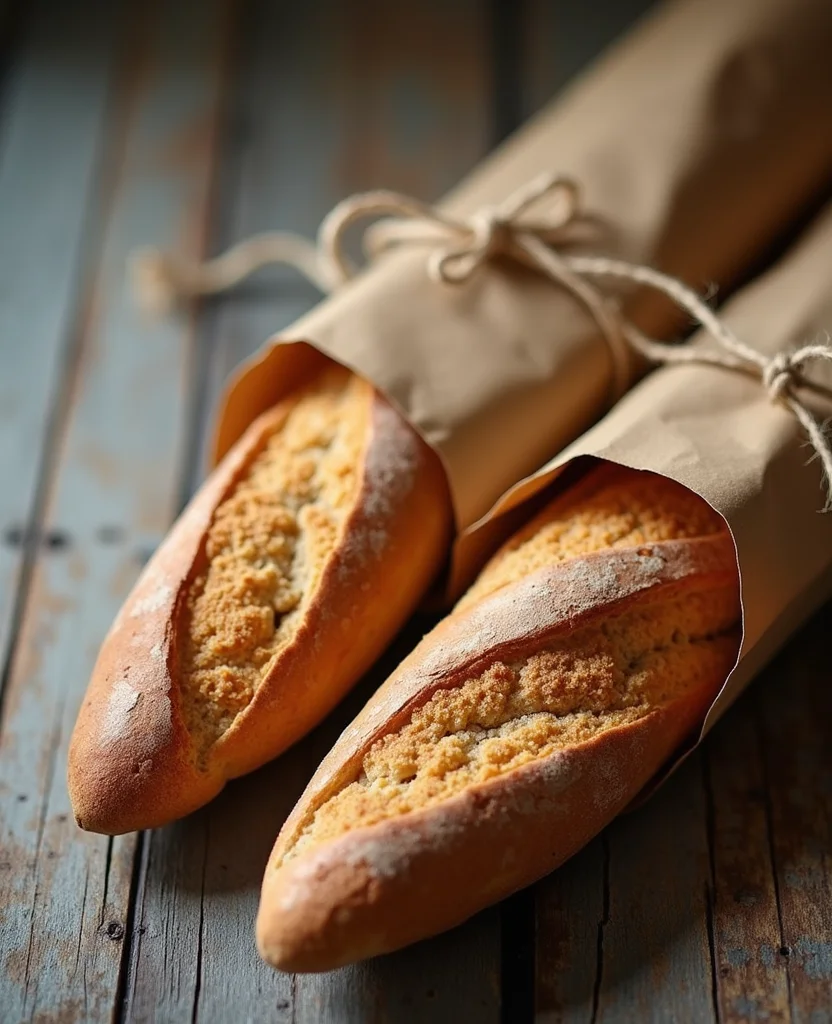
How do I store leftover bread? Keep it in a paper bag at room temperature for up to two days or freeze it for longer storage.
Why is my bread not browning? Ensure your oven reaches the correct temperature and consider adding a bit more sugar to the dough for better caramelization.
Is it necessary to use a baking stone? While not mandatory, a baking stone provides better heat retention and results in a superior crust.
Can I make this recipe gluten-free? Traditional baguettes rely on gluten for texture, but there are gluten-free recipes that use alternative flours and binders.
What role does sugar play in this recipe? Sugar feeds the yeast and aids in browning, but it can be omitted if preferred.
Serving and Presentation Guide
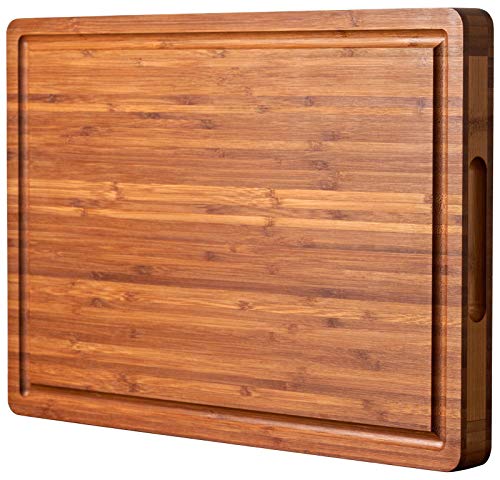
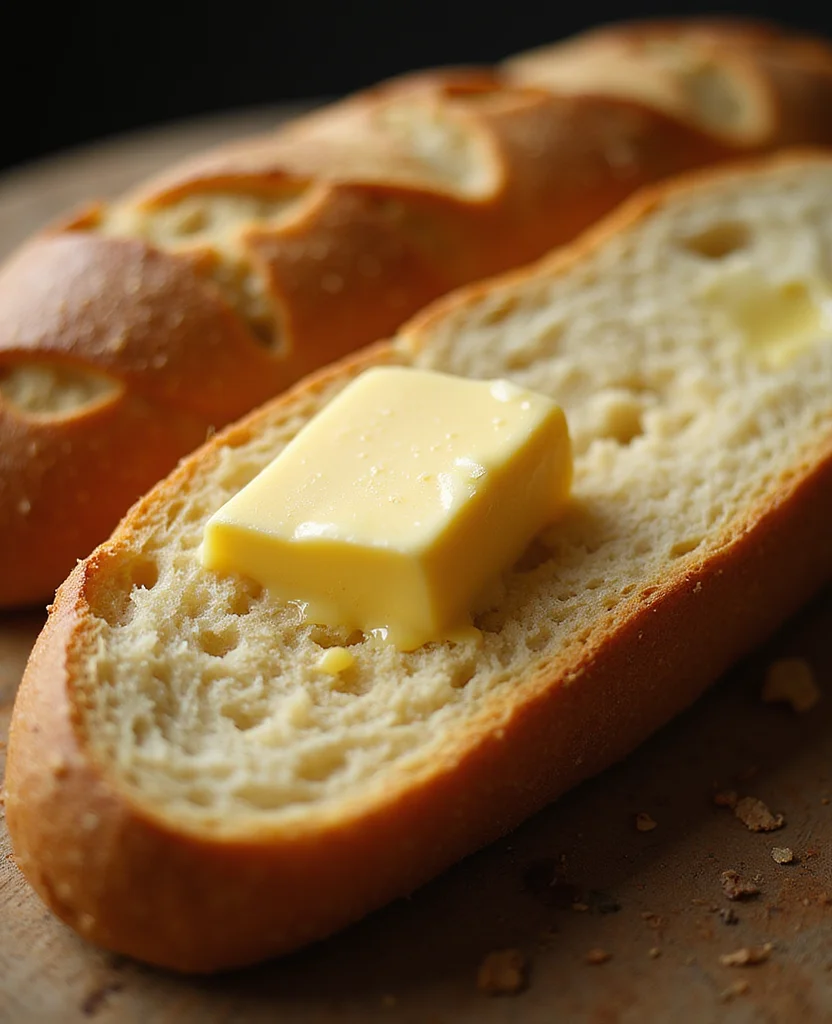
• Traditional Presentation: Serve sliced on a wooden board with a small dish of softened butter alongside.
• Casual Gathering: Pair with a selection of cheeses and charcuterie for a rustic appetizer spread.
• Elegant Dinner: Slice thinly and serve in a bread basket lined with a linen cloth at the dining table.
• Brunch Setting: Accompany with homemade jams and fresh seasonal fruits for a delightful morning treat.




Conclusion

Now that you've mastered the art of baking Crusty French Bread at home, you're ready to impress friends and family with your artisan skills.
This timeless recipe not only fills your kitchen with the irresistible aroma of fresh bread but also brings a touch of French tradition to your table.
Don't hesitate to experiment with variations and make this classic your own.
Happy baking!