
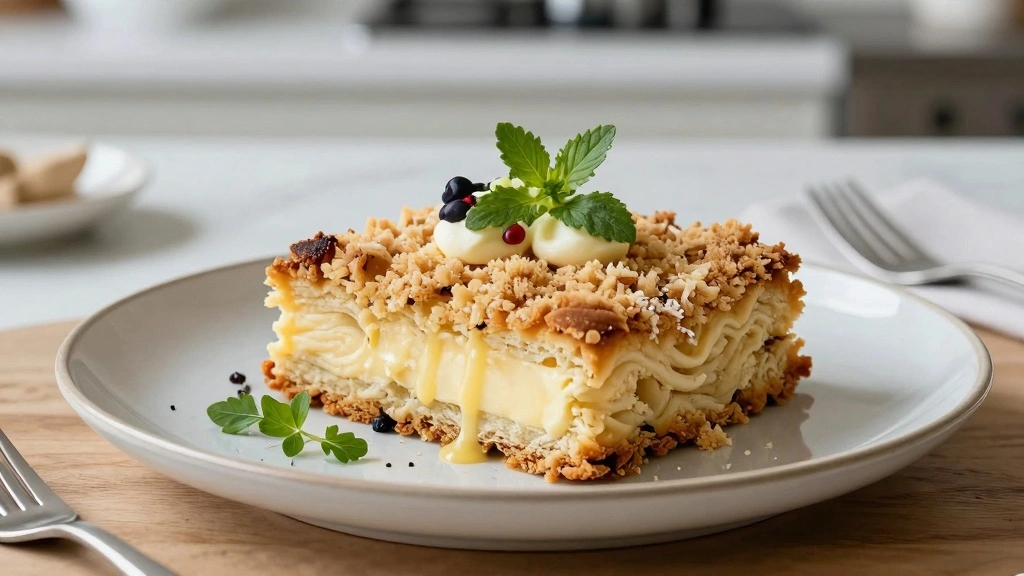
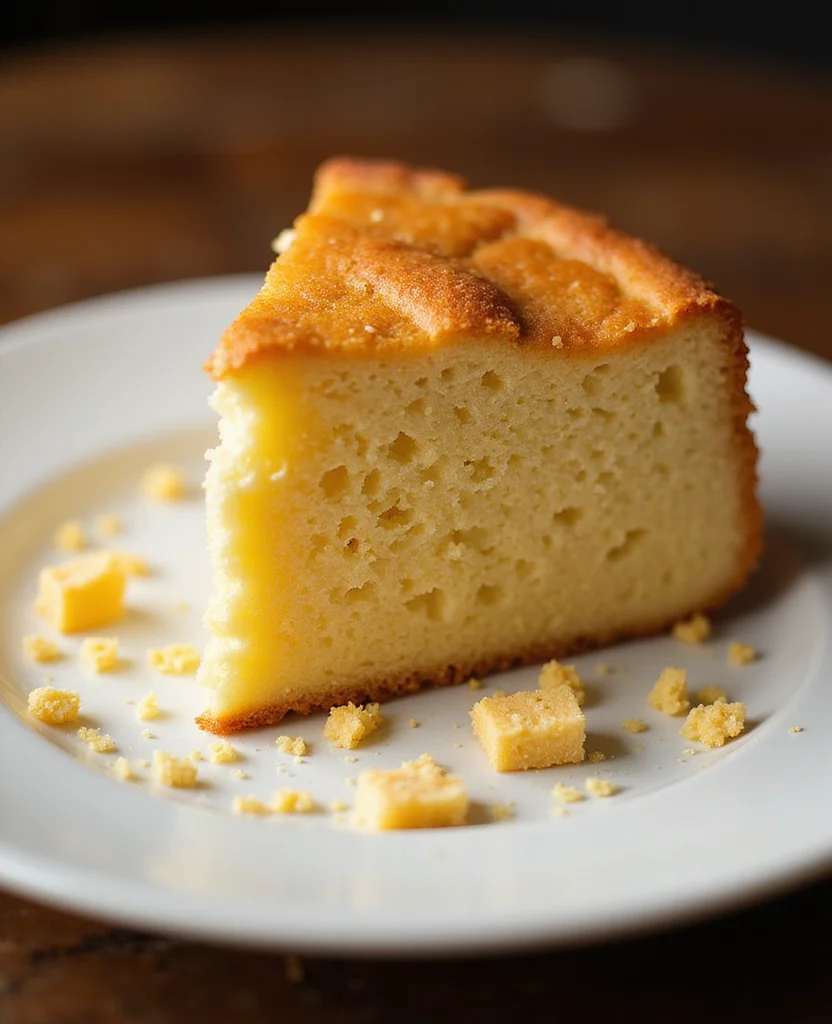
This classic French Butter Cake brings together centuries of culinary tradition with modern techniques to create a dish that’s both comforting and elegant.
The harmonious balance of rich butter and subtle sweetness creates a memorable dining experience that will have everyone asking for your secret.
I discovered this recipe during my travels through Brittany, where local chefs have perfected it through generations of careful refinement.
Whether you’re preparing a casual family dinner or hosting a special celebration, this French Butter Cake delivers impressive results with straightforward preparation.
Its rich and buttery crumb makes it the perfect dessert for any occasion, leaving a lasting impression on your guests.
The History and Cultural Significance
• French Butter Cake traces its origins to Brittany, France, where it was originally created by local bakers in the 19th century.
• The dish evolved over decades as bakers experimented with different types of butter and flour, eventually becoming the beloved version we know today.
• In French culture, this dish traditionally appears at family gatherings and celebrations, symbolizing hospitality and warmth.
• While many variations exist across different regions, the authentic version maintains a rich, buttery crumb that sets it apart from imitations.



Recipe Overview
Nutritional Information (per serving)
Essential Equipment Guide
Springform Pan: This specific tool is important for achieving authentic results as it allows for easy removal of the cake without damaging its delicate crumb. Alternatives like regular cake pans may work, but look for non-stick features when selecting this equipment.
Electric Mixer: Essential for achieving a light and airy batter, an electric mixer saves time and ensures even mixing. While a hand whisk can be used, an electric mixer with various speed settings is preferred.
Offset Spatula: This tool is crucial for spreading batter evenly in the pan and achieving a smooth top. Alternatives like a regular spatula can work, but look for one with a comfortable handle and flexible blade.
Ingredients
For the Base
|
| Amount | Ingredient | Notes |
|---|---|---|
| 1 cup | unsalted butter | softened, adds richness |
| 1 cup | granulated sugar | provides sweetness |
| 3 large | eggs | room temperature, for structure |
| 1 teaspoon | vanilla extract | adds flavor |
| 2 cups | all-purpose flour | sifted for light texture |
| 1 teaspoon | baking powder | for leavening |
| 1/4 teaspoon | salt | enhances flavor |
Preparation Methods
Creaming Method: This technique involves beating the butter and sugar together until light and fluffy. It matters for incorporating air into the batter, which results in a lighter cake. Use a medium speed and scrape the bowl often to ensure even creaming.
Folding: Gently folding in the flour mixture is crucial to maintaining the airiness of the batter. Use a spatula and a gentle hand to fold the dry ingredients just until combined, avoiding overmixing.
Baking: Achieving the perfect bake is essential for a tender crumb. Preheat the oven and bake at a consistent temperature to ensure even cooking. Avoid opening the oven door frequently to maintain temperature.



Step 1: Prepare Ingredients
Gather all ingredients and ensure they are at room temperature.
Measure out each ingredient accurately to ensure the best results.
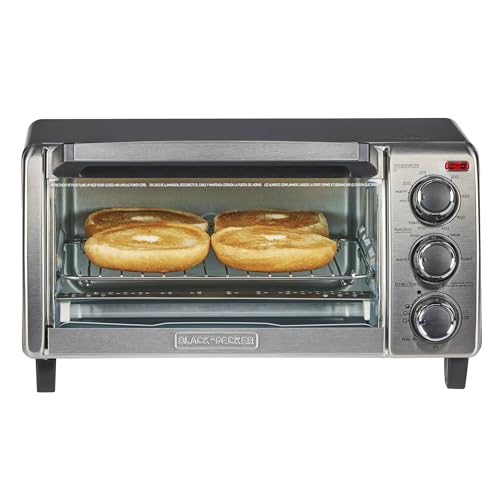
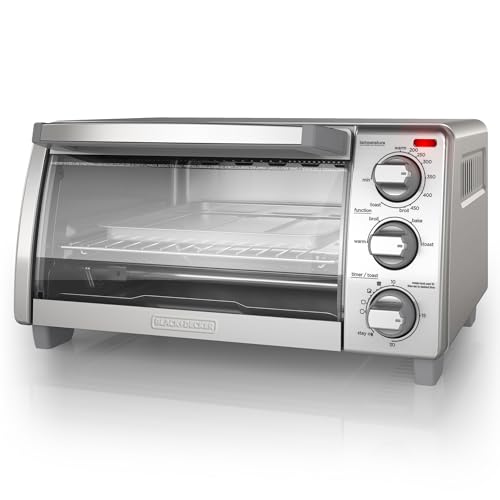
Preheat your oven to 350°F (175°C).
Grease and flour a springform pan to prevent sticking.


Step 2: Cream Butter and Sugar
In a large bowl, add the softened butter and granulated sugar.
Use an electric mixer on medium speed to cream them together until light and fluffy.
This should take about 3-5 minutes.
Scrape down the sides of the bowl to ensure even mixing.
Step 3: Add Eggs and Vanilla
Crack the eggs into a separate bowl to avoid shells.
Add the eggs to the creamed mixture one at a time, mixing well after each addition.
Pour in the vanilla extract and mix until fully incorporated.
The mixture should be smooth and slightly thickened.
Step 4: Sift Dry Ingredients
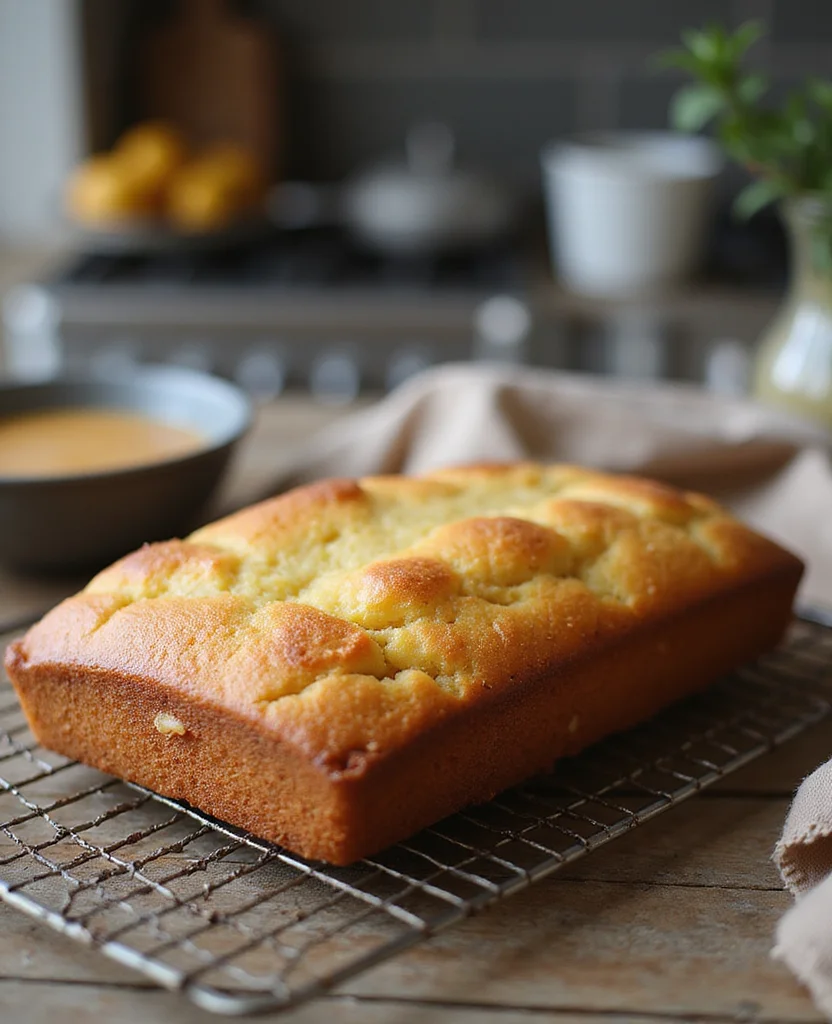
In a separate bowl, combine the all-purpose flour, baking powder, and salt.
Use a sifter or fine-mesh sieve to sift the dry ingredients together.
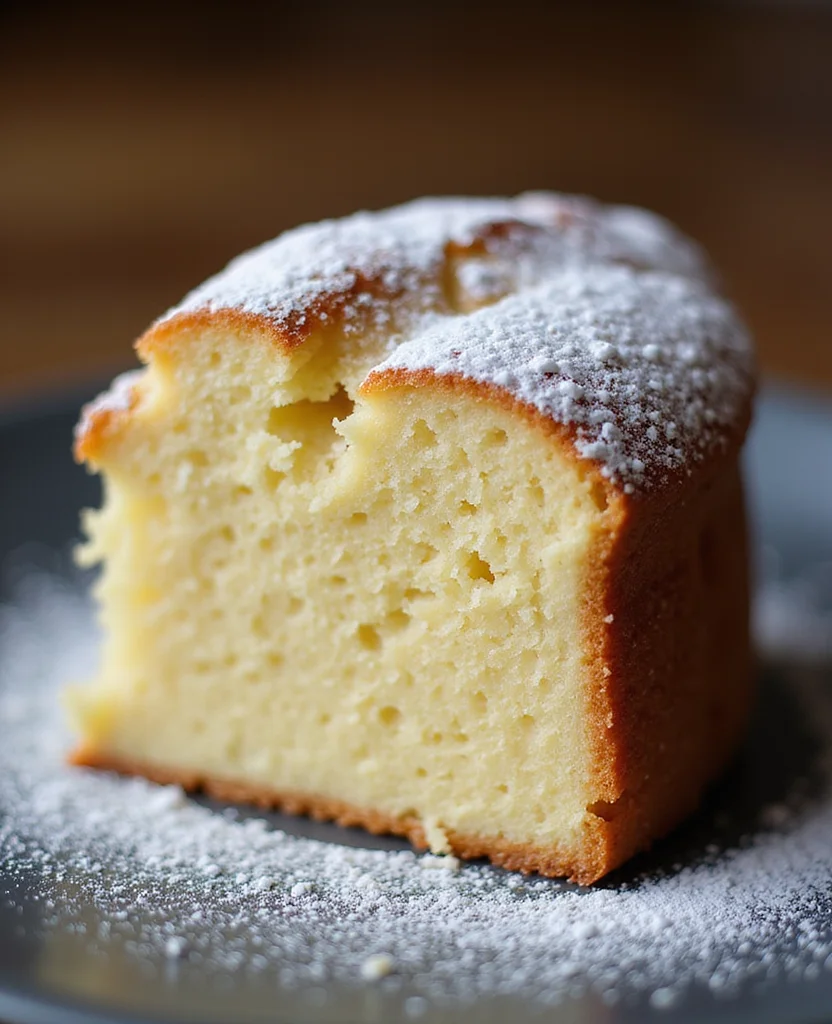
This process ensures a light, airy cake texture.
Set aside for the next step.
Step 5: Fold in Dry Ingredients
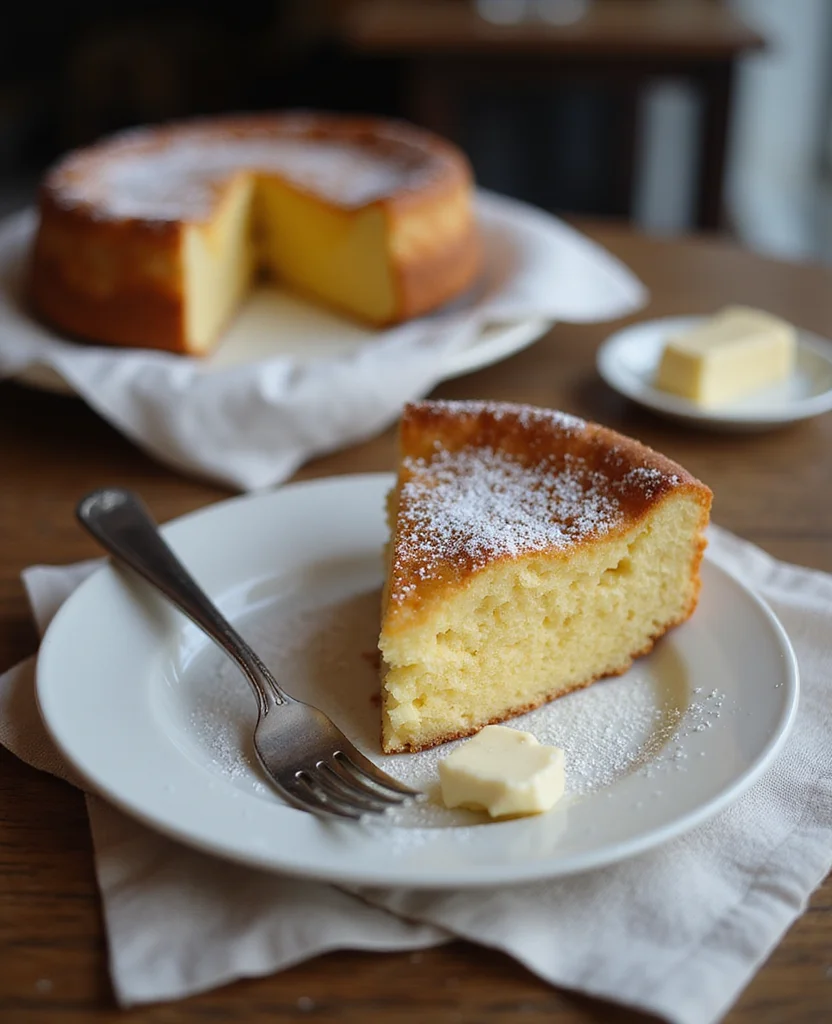
Add the dry ingredients to the wet mixture in three parts.
Use a spatula to gently fold the flour mixture into the batter.
Be careful not to overmix, as this can make the cake dense.
Stop folding once the flour is just incorporated.
Step 6: Pour Batter into Pan
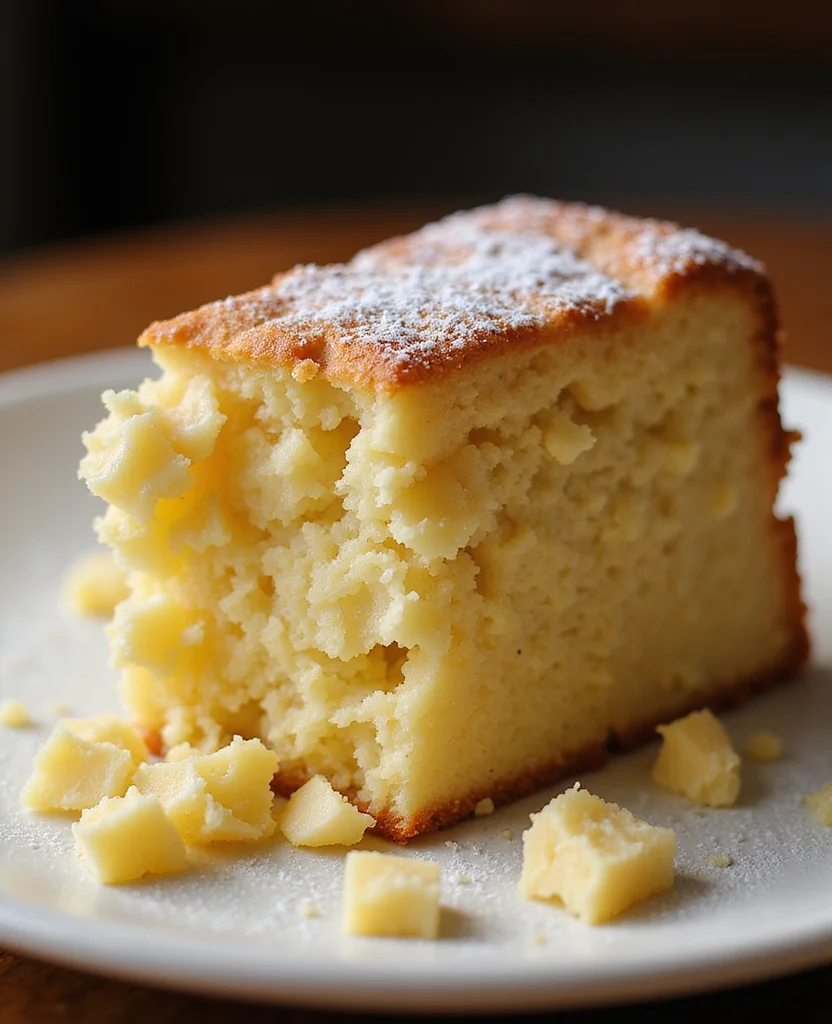
Pour the prepared batter into the greased springform pan.
Use an offset spatula to smooth the top for even baking.
Tap the pan gently on the counter to remove air bubbles.
Ensure the batter is evenly distributed in the pan.




Step 7: Bake the Cake
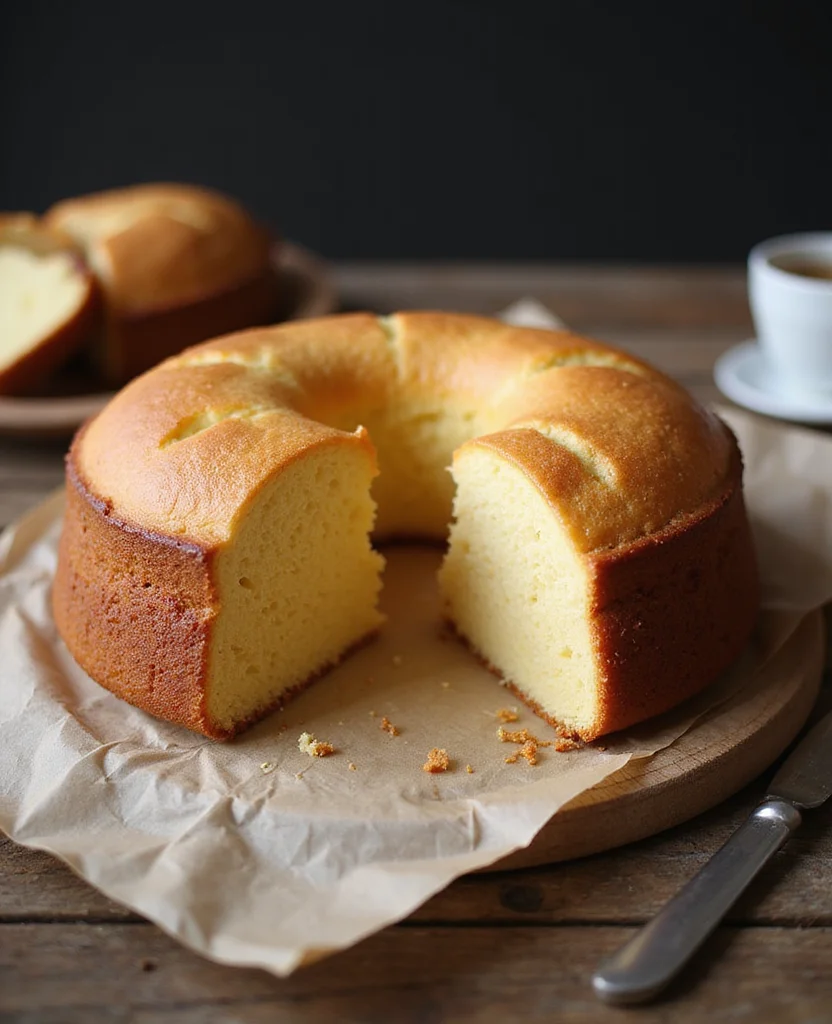
Place the pan in the preheated oven on the middle rack.
Bake for 35-40 minutes or until a toothpick inserted in the center comes out clean.
The cake should be golden brown and have a slight spring to the touch.
Avoid opening the oven door too frequently to maintain temperature.
Step 8: Cool and Serve
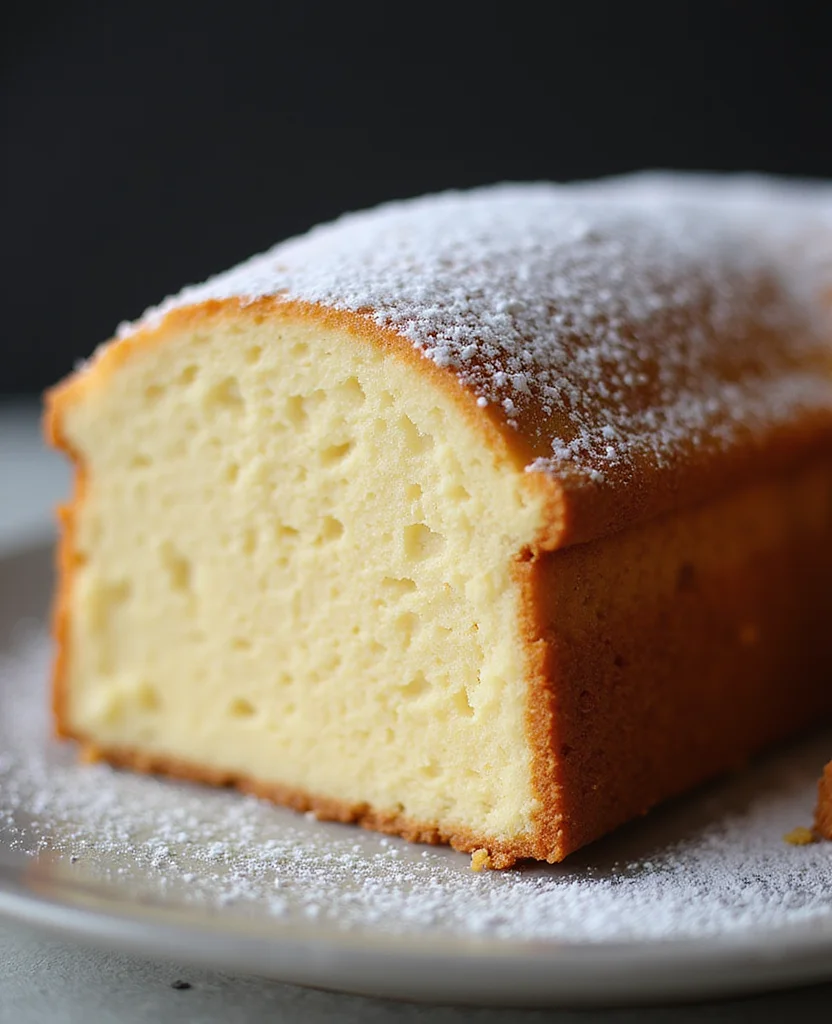
Remove the cake from the oven and allow it to cool in the pan for 10 minutes.
Carefully release the springform and transfer the cake to a wire rack.
Let it cool completely before slicing.
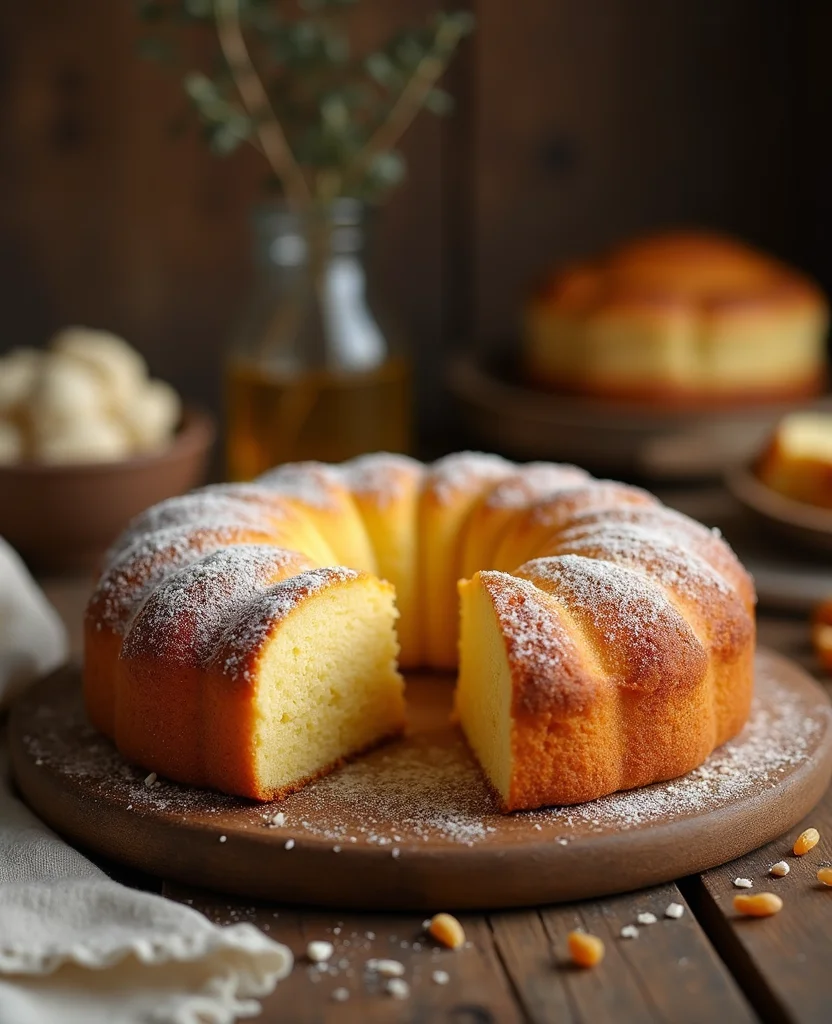
Serve with a dusting of powdered sugar or fresh berries for garnish.
Critical Timing and Temperature Guide
Creaming Butter and Sugar: Beat on medium speed for 3-5 minutes until light and fluffy. The mixture should not look greasy or overworked.
Baking the Cake: Bake at 350°F (175°C) for 35-40 minutes. Look for a golden brown color and a clean toothpick test. Avoid opening the oven door frequently, which can cause the cake to fall.
Cooling: Let the cake cool for 10 minutes in the pan, then transfer to a wire rack. Ensure even cooling to prevent sogginess at the bottom.
Pro Tips for French Butter Cake
• Ingredient Selection: Use high-quality unsalted butter for the best flavor and texture. The butter's quality significantly affects the cake's richness.
• Preparation Secret: Sifting the flour is an often overlooked step that ensures a light, airy texture.
• Temperature Management: Ensure all ingredients are at room temperature for even mixing and a smooth batter.
• Texture Enhancement: Gently fold in dry ingredients to maintain the batter's airiness, crucial for a tender crumb.
• Flavor Layering: Adding a splash of almond extract can enhance the cake's flavor profile, providing a subtle nutty note.
• Make-Ahead Strategies: Prepare the batter and refrigerate it overnight, allowing flavors to meld before baking the next day.
• Restaurant-Quality Finishing Touches: Dust the finished cake with powdered sugar or serve with a dollop of whipped cream for a professional touch.
• Equipment Optimization: Use a springform pan to easily release the cake without damaging its delicate crumb.


Troubleshooting Common Issues
• Texture Too Dense: This issue is often caused by overmixing the batter. Recognize dense batter during mixing, and fold gently to incorporate flour.
• Cake Sinking in the Middle: Common with opening the oven door too often. Ensure a stable temperature by minimizing door openings and baking at an even heat.
• Overbrowned Top: Caused by baking too high in the oven. Place your cake on the middle rack and tent with foil if browning too quickly.
• Uneven Baking: Results from improper oven calibration. Use an oven thermometer to ensure the correct temperature.
• Dry Cake: Often due to overbaking. Check for doneness earlier and use the toothpick test to ensure a moist crumb.
• Crumbly Slice: Can occur if the cake is not fully cooled. Allow the cake to cool completely before slicing to maintain slice integrity.


Variations and Regional Differences
• Brittany Style: This version includes salted butter, characteristic of the region, providing a distinct salty-sweet balance.
• Almond French Butter Cake: Incorporates ground almonds or almond flour for a nutty flavor and slightly denser texture.
• Citrus Infused: Adds lemon or orange zest to the batter for a fresh, zesty twist, popular in southern France.
• Chocolate Swirl: Marbles the cake with melted chocolate, adding a rich layer of flavor and visual appeal.
Food Science Behind the Recipe
• Creaming Method Chemistry: The process of creaming butter and sugar creates air pockets that expand during baking, leading to a light, fluffy cake.
• Gluten Formation: Sifting flour and gentle folding minimize gluten development, essential for a tender crumb.
• Maillard Reaction: The browning of the cake's surface is due to the Maillard reaction, enhancing flavor and providing an appealing golden color.
Frequently Asked Questions
What's the most common mistake people make when preparing French Butter Cake? Overmixing the batter, which results in a dense cake. Fold ingredients gently to maintain airiness.
Can I use salted butter instead of unsalted? Yes, but reduce added salt to balance flavors.
How can I make the cake gluten-free? Substitute all-purpose flour with a gluten-free flour blend, adjusting for liquid absorption.
Is it necessary to use a springform pan? While not essential, it aids in easy cake release and presentation.
How do I store leftover cake? Wrap tightly in plastic and store at room temperature for up to 3 days or refrigerate for up to a week.
Can I freeze this cake? Yes, freeze slices wrapped in foil for up to 2 months. Thaw at room temperature before serving.
What's the best way to serve French Butter Cake? Serve at room temperature, optionally dusted with powdered sugar or with a side of fresh fruit or cream.
Serving and Presentation Guide
• Traditional Presentation: Serve on a simple white cake stand, dusted with powdered sugar for a classic look.
• Modern Flair: Pair with a scoop of vanilla ice cream and a drizzle of caramel sauce for a contemporary twist.
• Seasonal Touch: Garnish with seasonal fruits like berries or figs for color and flavor contrast.
• Elegant Occasions: Serve with a side of freshly whipped cream and edible flowers for an upscale presentation.
Conclusion
With its buttery richness and tender crumb, the French Butter Cake is a timeless classic that brings warmth to any gathering.
By following this detailed guide, you'll master the art of baking this delightful cake with ease.
Embrace the tradition and enjoy the compliments from your guests as they savor each bite.
Happy baking and bon appétit!