
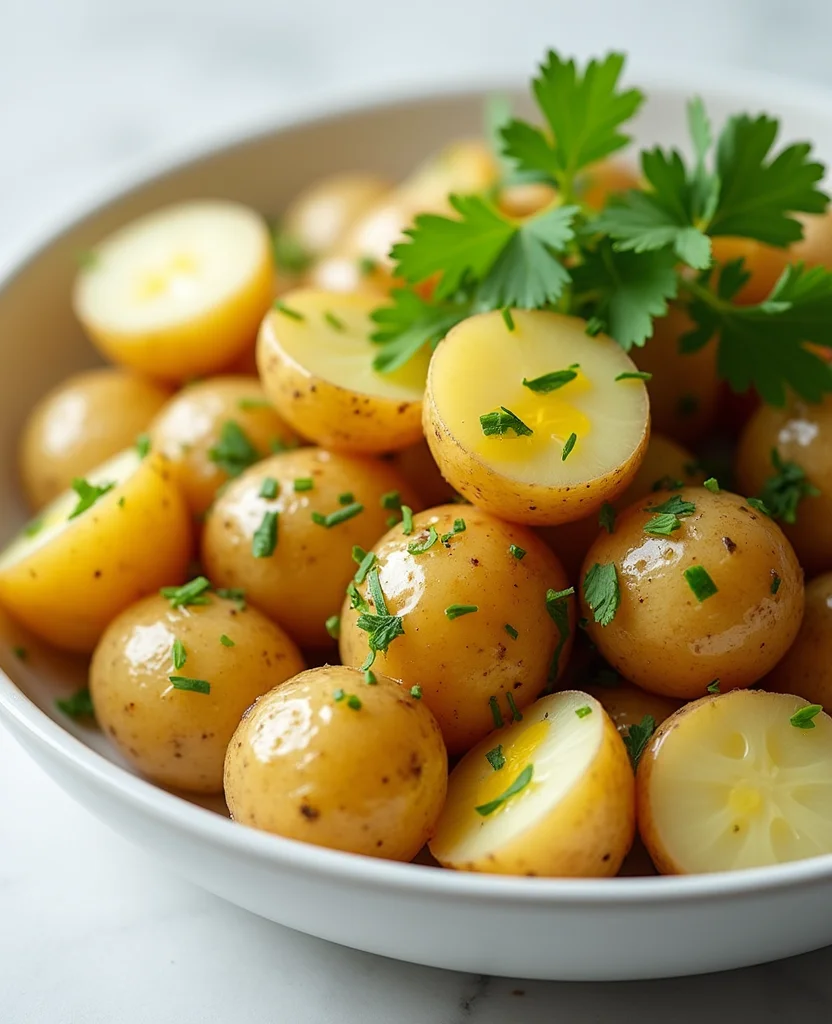
The French Potato Salad is a refreshing twist on a classic favorite, perfect for those seeking a lighter side dish without the heaviness of mayonnaise.
Its flavor profile combines the earthiness of potatoes with the vibrancy of fresh herbs and a tangy mustard vinaigrette.
I first encountered this delightful dish while picnicking in the French countryside, where it was a staple among locals.
This recipe is ideal for summer gatherings or as an accompaniment to a hearty main course.
Whether you’re a seasoned cook or a beginner, this salad offers a straightforward preparation with impressive results.
The History and Cultural Significance
• French Potato Salad traces its origins to the French region of Provence, where it was originally created by local chefs utilizing fresh, seasonal ingredients.
• The dish evolved over decades as chefs began experimenting with different types of potatoes and herbs, eventually becoming the beloved version we know today.
• In Provence, this dish traditionally appears at summer picnics and family gatherings, symbolizing the celebration of fresh produce.
• While many variations exist across different regions, the authentic version maintains a mustard vinaigrette that sets it apart from imitations.



Recipe Overview
Nutritional Information (per serving)



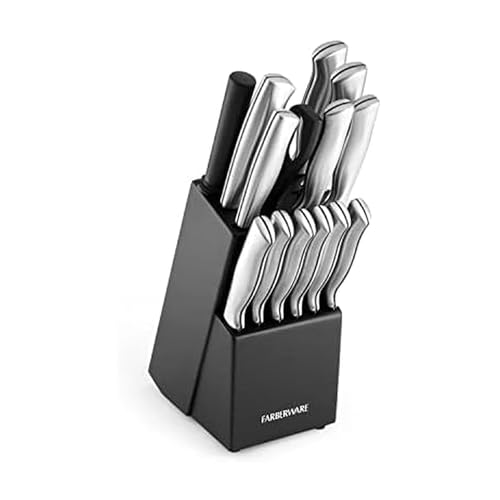
Essential Equipment Guide
Large Pot: A large pot is essential for boiling the potatoes evenly. Ensure it is big enough to allow the potatoes to move freely, which promotes even cooking. A heavy-bottomed pot is ideal for maintaining a consistent temperature.
Mixing Bowl: A good-sized mixing bowl is necessary for tossing the salad ingredients together without spilling. Stainless steel or glass bowls are preferred for their durability and ease of cleaning.
Whisk: A whisk is crucial for emulsifying the vinaigrette. Look for a whisk with a comfortable handle and flexible wires to ensure the smooth combining of ingredients. If a whisk is unavailable, a fork can be a suitable alternative.
Ingredients
For the Base
|
| Amount | Ingredient | Notes |
|---|---|---|
| 2 pounds | baby potatoes | halved |
| 1 teaspoon | salt | for boiling water |
Herbs and Seasonings
| Amount | Ingredient | Notes |
|---|---|---|
| 1 cup | fresh parsley | chopped |
| 1 tablespoon | fresh dill | chopped |
| 1 tablespoon | fresh chives | chopped |
Vinaigrette
| Amount | Ingredient | Notes |
|---|---|---|
| 3 tablespoons | olive oil | extra virgin for flavor |
| 2 tablespoons | red wine vinegar | adds tanginess |
| 1 tablespoon | Dijon mustard | for depth |
| 1 teaspoon | honey | balances acidity |
| 1 teaspoon | salt | seasoned to taste |
| 1 teaspoon | black pepper | freshly ground |



Preparation Methods
Boiling Potatoes: Boiling is a gentle cooking method that ensures the potatoes are tender but not mushy. The key is to start with cold water, bring it to a boil, then reduce to a simmer to prevent the potatoes from breaking apart.
Emulsifying Vinaigrette: Emulsifying involves combining oil and vinegar into a cohesive mixture. This is achieved by slowly whisking the oil into the vinegar and mustard, creating a creamy consistency that clings to the salad.
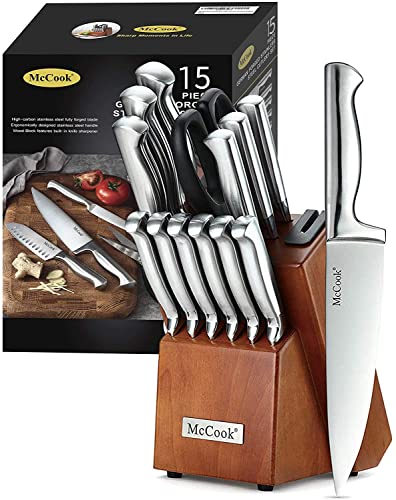
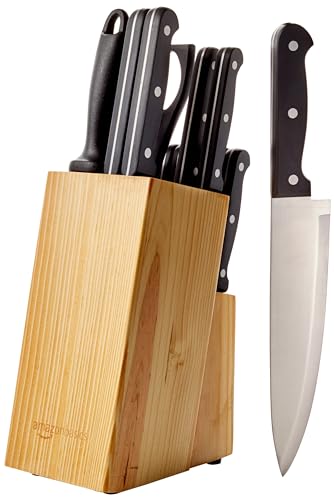
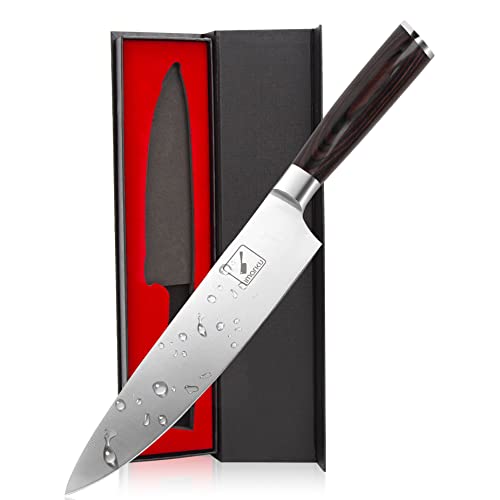
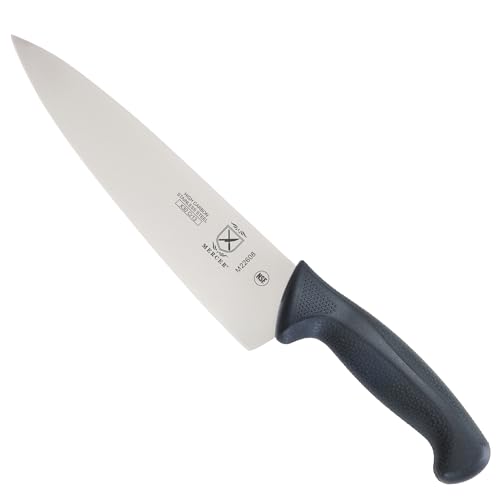
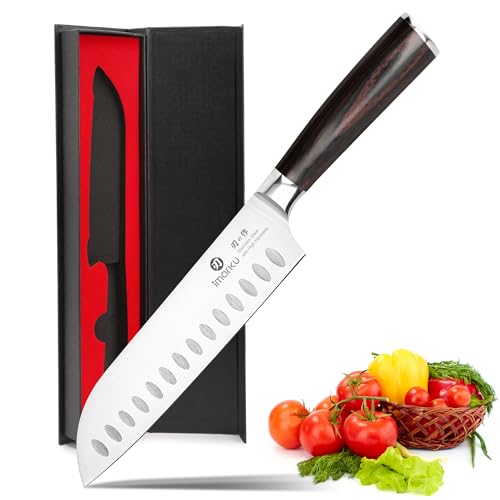
Herb Chopping: Finely chopping herbs releases their essential oils, enhancing the flavor profile of the dish. Use a sharp knife and a rocking motion to avoid bruising the herbs, which can lead to bitterness.




Step 1: Prepare the Potatoes

Wash the potatoes thoroughly under cold water to remove any dirt.
Halve the potatoes to ensure even cooking.
Inspect each potato for any blemishes or eyes and remove them.
Place the potatoes in a large pot with cold water and a teaspoon of salt.


Step 2: Boil the Potatoes
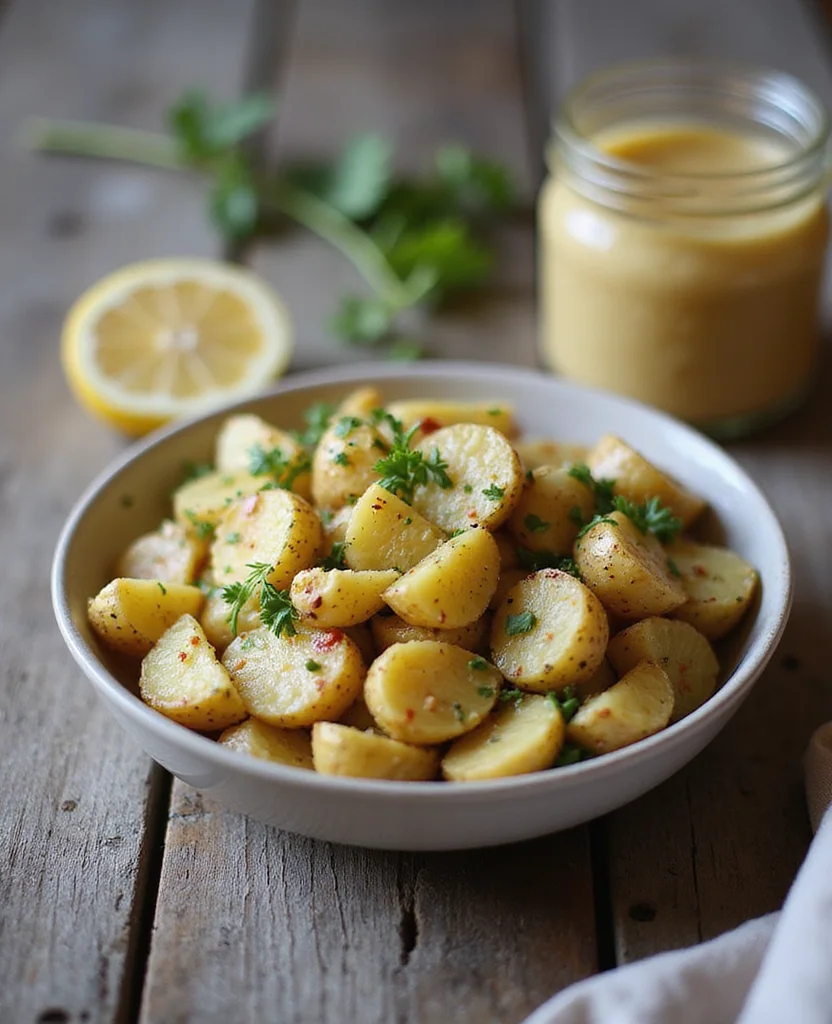
Bring the pot of water and potatoes to a boil over high heat.
Once boiling, reduce the heat to a simmer.
Cook the potatoes for 15-20 minutes or until tender.
Test with a fork for doneness; it should pierce the potato easily.
Step 3: Drain and Cool Potatoes

Drain the cooked potatoes in a colander.
Rinse them briefly under cold water to stop the cooking process.
Allow the potatoes to cool completely before proceeding.
Ensure they are dry to prevent a watery salad.
Step 4: Prepare the Vinaigrette

In a mixing bowl, combine red wine vinegar, Dijon mustard, and honey.
Slowly whisk in the olive oil to emulsify the mixture.
Season with salt and freshly ground black pepper.
Taste and adjust seasonings if necessary.
Step 5: Chop the Fresh Herbs
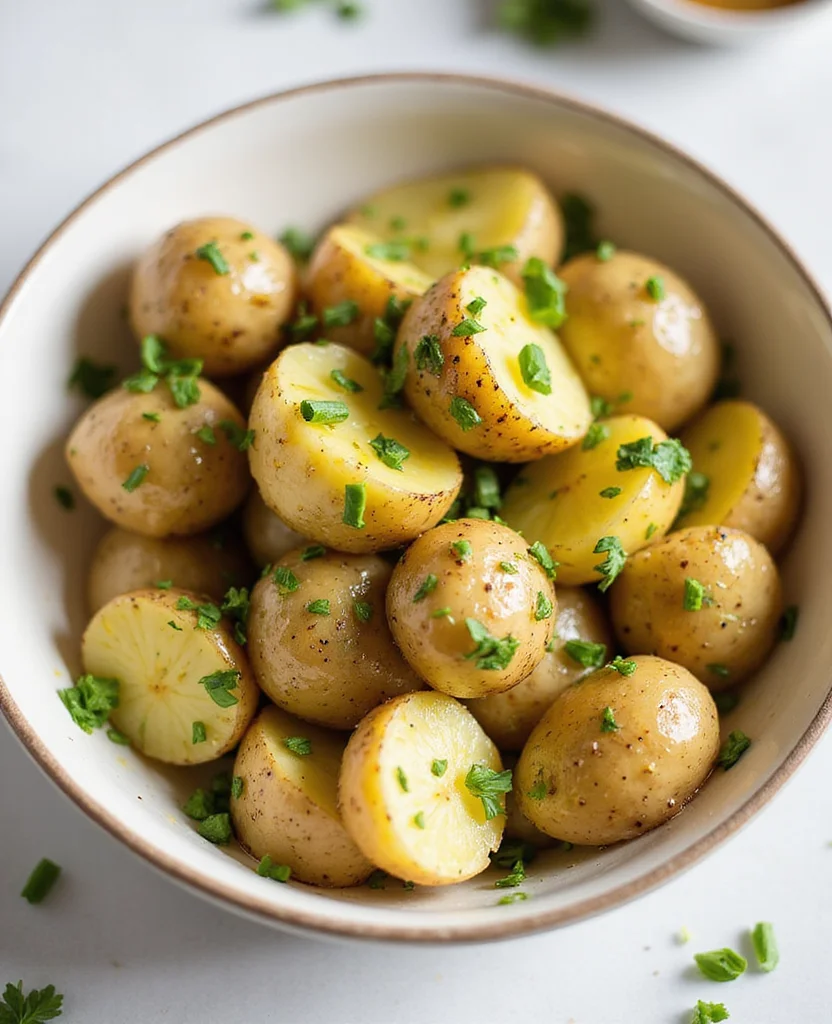
Gather fresh parsley, dill, and chives.
Using a chef's knife, finely chop each herb.
Combine the chopped herbs in a small bowl.
Set aside for later use in the salad.
Step 6: Combine Potatoes and Vinaigrette
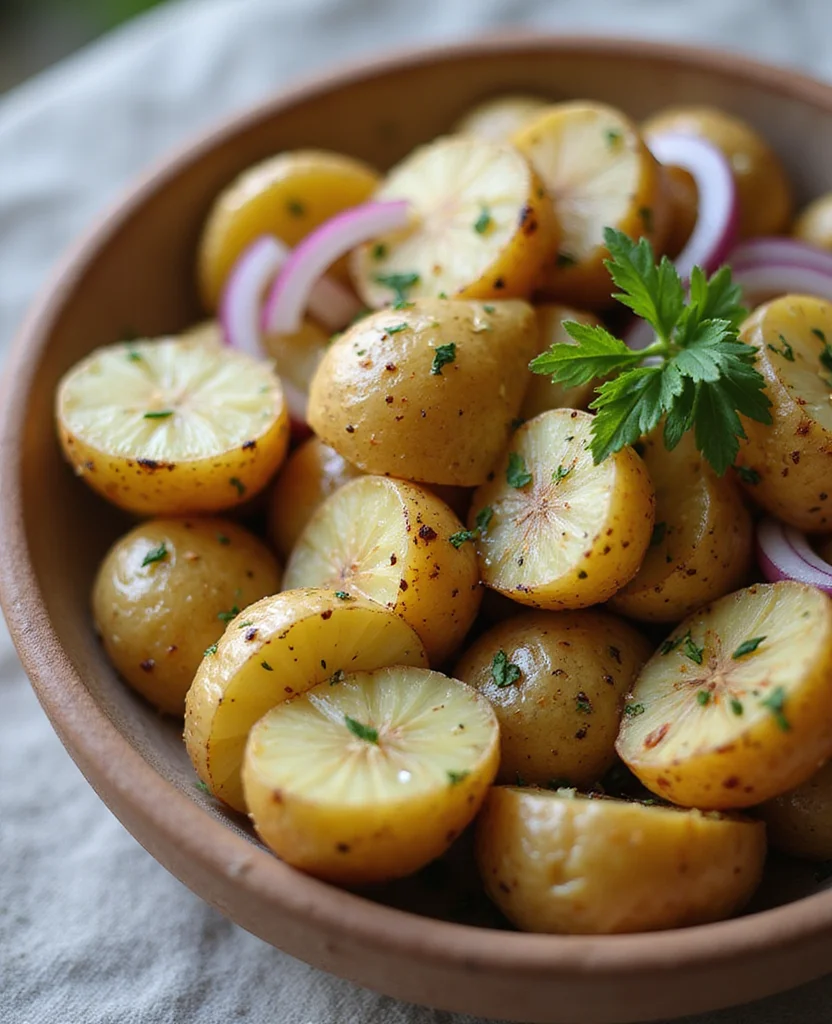
Place the cooled potatoes in a large mixing bowl.
Pour the prepared vinaigrette over the potatoes.
Gently toss to ensure each potato is coated.
Be careful not to break the potatoes while mixing.
Step 7: Add Fresh Herbs

Sprinkle the chopped herbs over the dressed potatoes.
Use a spatula to fold the herbs into the salad.
Ensure even distribution of herbs throughout the salad.
Taste and adjust seasoning if needed.
Step 8: Chill and Serve

Transfer the salad to a serving dish.
Cover and refrigerate for at least 30 minutes.
Allowing the flavors to meld enhances the taste.
Serve chilled, garnished with additional fresh herbs if desired.
Critical Timing and Temperature Guide
Potato Boiling: Boil potatoes for exactly 15-20 minutes until fork-tender. Avoid overcooking to prevent them from becoming mushy.
Vinaigrette Emulsification: Whisk vinaigrette until it reaches a smooth, cohesive consistency. Watch for separation, which indicates insufficient emulsification.
Chilling: Chill the salad for at least 30 minutes. This allows flavors to meld but avoid longer chilling as herbs may lose their vibrancy.
Pro Tips for French Potato Salad
• Ingredient Selection: Choose firm, waxy potatoes like Yukon Gold or red potatoes to maintain structure and absorb the dressing beautifully.
• Preparation Secret: Salt the boiling water generously; it seasons the potatoes from within and enhances the final flavor.
• Temperature Management: Allow potatoes to cool completely before dressing to prevent wilting the herbs and thinning the vinaigrette.
• Texture Enhancement: Slightly crush a few potatoes while tossing to create a creamy texture that contrasts with the whole pieces.
• Flavor Layering: Add a pinch of lemon zest to the vinaigrette for a bright, citrusy note that complements the herbs.
• Make-Ahead Strategies: Prepare the vinaigrette and chop herbs a day in advance, storing them separately, and combine just before serving.
• Restaurant-Quality Finishing Touches: Drizzle a few drops of high-quality olive oil over the salad before serving for a glossy finish.
• Equipment Optimization: Use a salad spinner to dry herbs thoroughly, ensuring they don't dilute the dressing.
Troubleshooting Common Issues
• Potatoes Too Hard: This occurs when they are undercooked. Test with a fork during boiling and extend the cooking time if necessary.
• Vinaigrette Separation: Indicates improper emulsification. Whisk again vigorously or incorporate a small amount of mustard to stabilize.
• Flavors Too Mild: Check seasoning levels. Add more salt, pepper, or vinegar to balance and enhance flavors.
• Herbs Turned Brown: Usually from over-chopping or exposure to air. Use fresh herbs and chop just before adding to the salad.
• Salad Too Oily: This can happen if too much vinaigrette is added. Adjust by adding more potatoes or balancing with additional vinegar.
Variations and Regional Differences
• Provençal Style: Includes olives and capers, adding a briny contrast to the creamy potatoes and herby vinaigrette.
• Dijon Variation: Uses a Dijon-heavy vinaigrette for a sharper, more mustard-forward flavor profile.
• Alsace Influence: Incorporates bacon lardons for a smoky depth, often served warm rather than chilled.
• Parisian Touch: Features thinly sliced radishes and shallots for added crunch and mild onion flavor.


Food Science Behind the Recipe
• Emulsification: The process of combining oil and vinegar which are naturally immiscible. Mustard acts as a stabilizer, creating a smooth vinaigrette that clings to potatoes.
• Starch Gelatinization: Occurs when potatoes are boiled, allowing them to absorb flavors from the dressing effectively.
• Herb Aromatics: Chopping herbs releases essential oils, which are volatile compounds that enhance aroma and taste, making the dish more flavorful.
Frequently Asked Questions
What's the most common mistake people make when preparing French Potato Salad? Overcooking the potatoes, leading to a mushy texture and loss of structure.
Can I use dried herbs instead of fresh? Fresh herbs are recommended for their vibrant flavor and aroma, but dried can be used in a pinch, reducing the quantity by half.
How do I prevent the salad from becoming too oily? Start with a small amount of vinaigrette and gradually add more while tossing, ensuring even coating without excess.
What type of potatoes work best for this salad? Waxy varieties like Yukon Gold, red, or fingerling potatoes are ideal due to their firm texture.
Can the salad be made in advance? Yes, it improves with time, but add fresh herbs just before serving to maintain their color and flavor.
Is it necessary to chill the salad before serving? Chilling is recommended to allow flavors to meld, but it can be served slightly warm if preferred.
What's a good substitute for Dijon mustard? Whole grain mustard can be used for a milder, textured alternative.
Serving and Presentation Guide
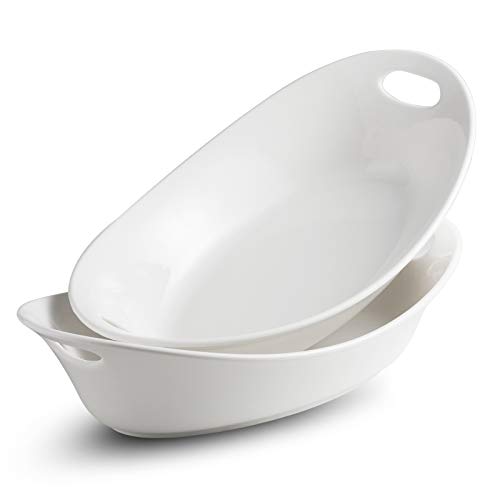
• Traditional Presentation: Serve in a shallow bowl garnished with a sprig of fresh dill or parsley for a classic look.
• Modern Twist: Plate on individual dishes with a drizzle of balsamic reduction for a visually striking contrast.
• Picnic Style: Pack in a mason jar for easy transport and a charming rustic presentation.
• Family Style: Present on a large platter, allowing guests to help themselves, adding a communal element to the meal.




Conclusion
With its bright, herbaceous flavors and creamy potatoes, this French Potato Salad is an elegant addition to any meal.
It offers a refreshing departure from traditional mayo-based salads, perfect for those seeking a lighter option.
Give this recipe a try, and you'll find it becoming a staple in your culinary repertoire.