
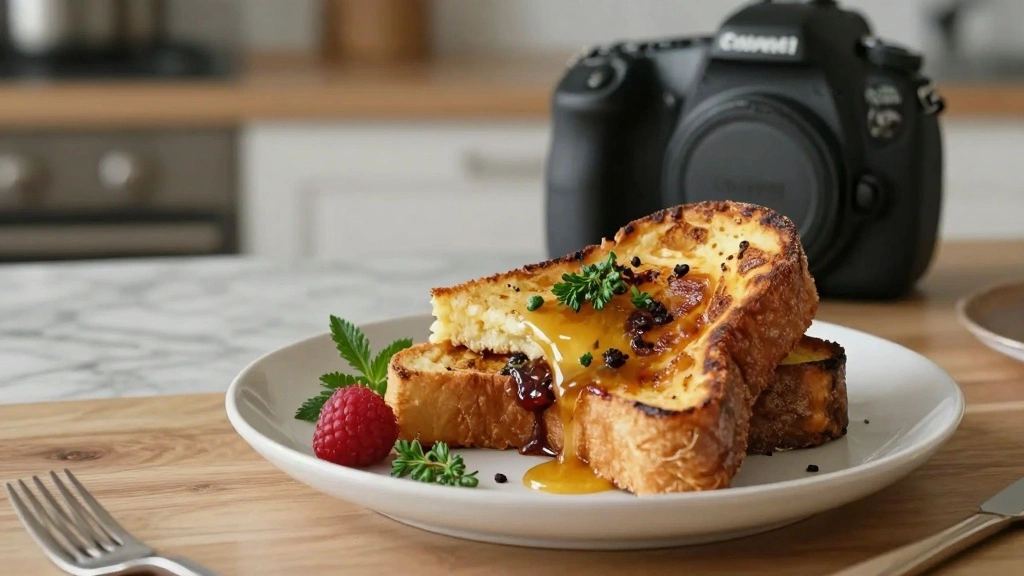
There’s nothing quite like the comforting aroma of French Toast sizzling on a Sunday morning.
Using sourdough bread as the base adds a delightful tang that cuts through the richness of the custard.
The combination of a crispy exterior and a custardy interior makes for an unforgettable breakfast experience.
This recipe is a fusion of traditional techniques and modern flavors, ensuring a dish that’s both classic and unique.
Whether you’re hosting a brunch or simply indulging in a weekend treat, this French Toast will please every palate.
The History and Cultural Significance
• French Toast traces its origins to ancient Rome, where it was originally created by soaking bread in milk and frying it in oil.
• The dish evolved over decades as people began using eggs in the soaking mixture, eventually becoming the beloved version we know today.
• In France, this dish traditionally appears at breakfast and brunch, symbolizing indulgence and culinary creativity.
• While many variations exist across different regions, the authentic version maintains a custardy center and a crisp exterior that sets it apart from imitations.


Recipe Overview
Nutritional Information (per serving)




Essential Equipment Guide
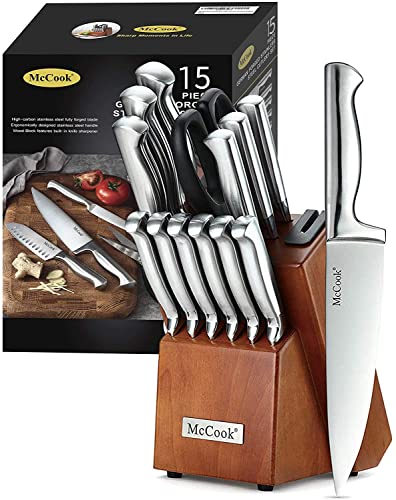
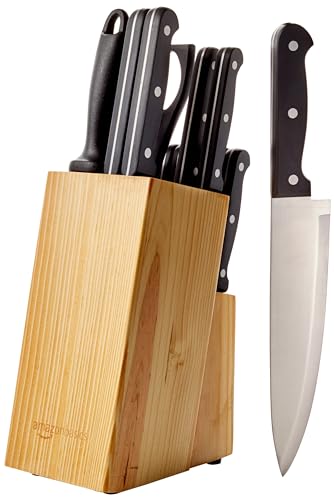
Non-stick skillet: A non-stick skillet ensures an even cooking surface and prevents sticking, which is crucial for achieving the perfect crispy exterior. Alternatives include cast-iron skillets, but ensure they are well-seasoned.
Whisk: A whisk is important for thoroughly combining the eggs and milk to create a smooth custard mixture, preventing lumps. An alternative is a fork, but it may not incorporate air as effectively.
Spatula: A spatula is essential for flipping the French Toast without tearing it. Look for a wide, flexible design to support the bread and maintain its shape.
Ingredients
For the Base
|
| Amount | Ingredient | Notes |
|---|---|---|
| 4 slices | sourdough bread | slightly stale, for better absorption |
| 3 large | eggs | beaten, for custard |
| 1 cup | whole milk | adds richness |
| 1 teaspoon | vanilla extract | enhances flavor |
| 1 tablespoon | sugar | for sweetness |
| 1 teaspoon | cinnamon | for warmth |
| 1 pinch | salt | balances flavors |
Toppings
| Amount | Ingredient | Notes |
|---|---|---|
| 2 tablespoons | butter | for frying |
| 1 cup | fresh berries | for garnish |
| 2 tablespoons | maple syrup | drizzled on top |
| 1 tablespoon | powdered sugar | dusting for presentation |




Preparation Methods
Custard Mixing: Achieving a smooth custard mix is crucial. Whisk the eggs and milk vigorously to incorporate air and prevent the custard from becoming too dense. Use a circular motion to ensure uniform mixing.
Soaking Bread: Proper soaking is key to a custardy interior. Allow the bread to soak for at least 2 minutes on each side to ensure it absorbs enough custard. Avoid oversoaking, which can cause the bread to fall apart.
Controlled Frying: Frying at the right temperature ensures a crispy exterior. Heat the skillet over medium heat before adding the bread. This prevents the exterior from burning while the interior remains undercooked.




Step 1: Prepare the Custard Mixture
In a medium mixing bowl, crack the eggs and whisk them until fully combined.
Add the milk, vanilla extract, sugar, cinnamon, and salt to the eggs.
Continue whisking until the mixture is smooth and well-blended.
Ensure no lumps remain and that the sugar is fully dissolved.


Step 2: Preheat the Skillet
Place a non-stick skillet on the stove and set the heat to medium.
Allow the skillet to heat up for about 2 minutes before adding any ingredients.
Test the skillet's temperature by flicking a drop of water onto the surface.
If the water sizzles and evaporates quickly, the skillet is ready.
Step 3: Soak the Bread
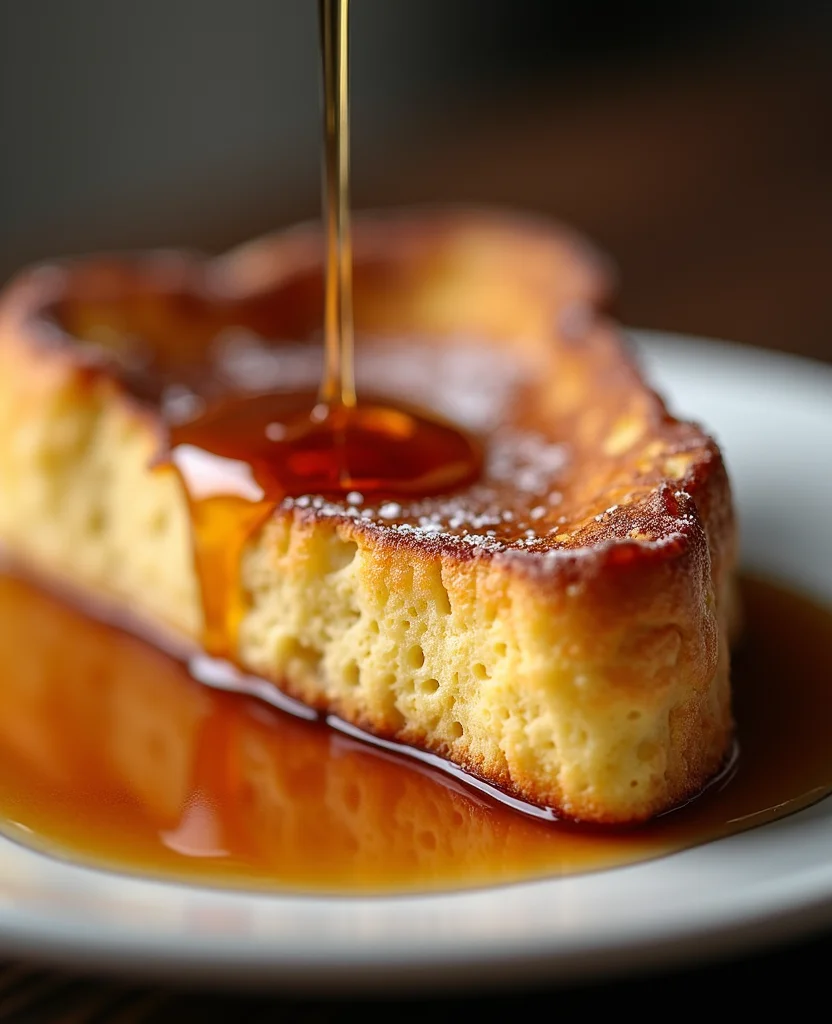
Take one slice of sourdough bread and place it in the custard mixture.
Allow it to soak for about 2 minutes, pressing gently to ensure even absorption.
Flip the bread and soak the other side for another 2 minutes.
Ensure the bread is slightly soft but not falling apart.





Step 4: Prepare for Frying
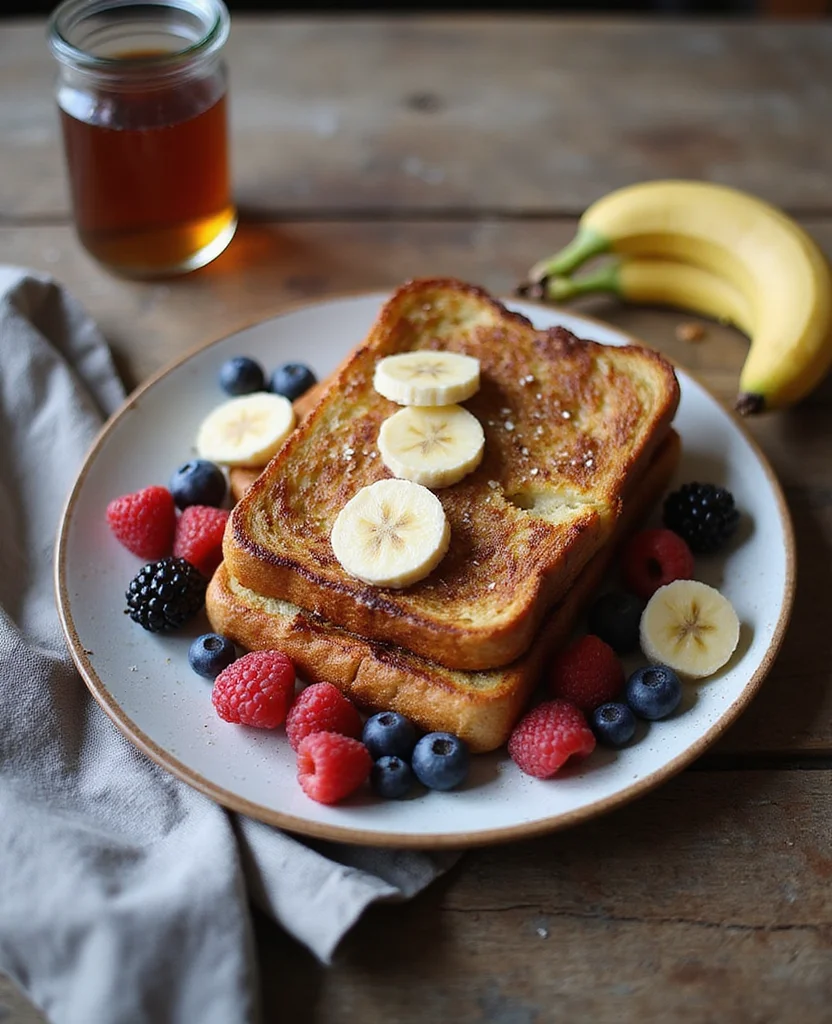
Add a tablespoon of butter to the preheated skillet and let it melt.
Swirl the skillet to evenly distribute the melted butter across the surface.
Ensure the butter is foaming but not burning before adding the bread.
Adjust the heat if necessary to maintain a medium temperature.
Step 5: Fry the First Side
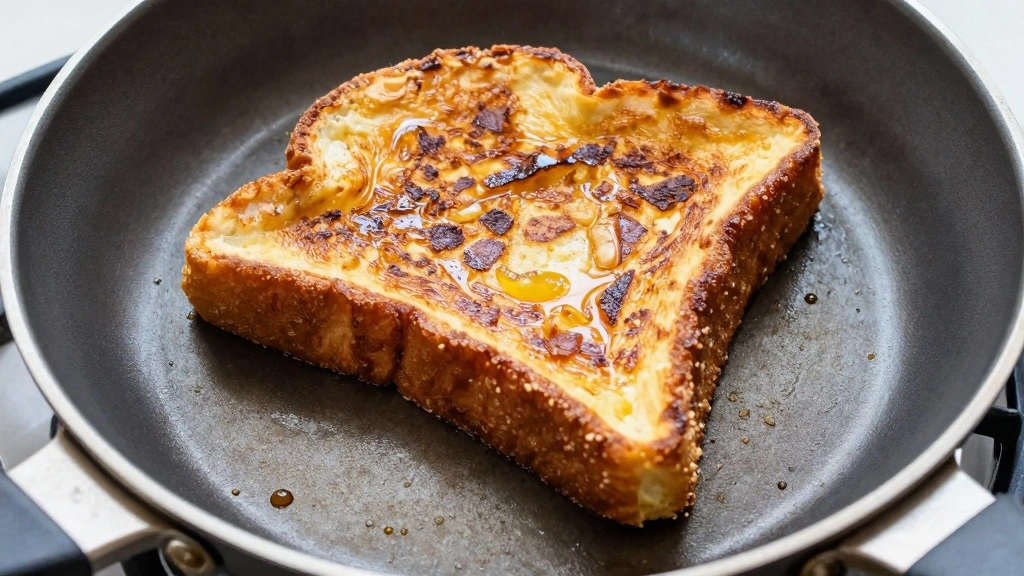
Carefully place the soaked bread slice into the skillet using a spatula.
Cook for about 3-4 minutes until the bottom turns golden brown.
Lift the edge occasionally to check for even browning.
Adjust the heat as needed to prevent burning and ensure a crisp texture.
Step 6: Flip and Cook the Other Side
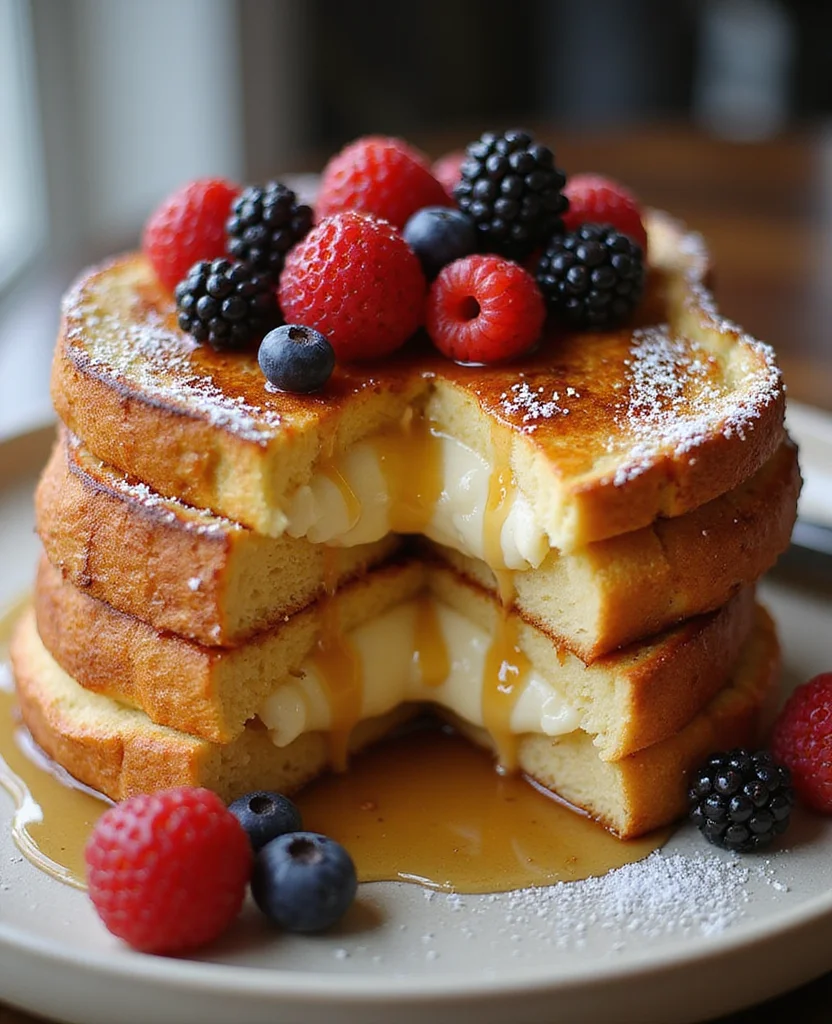
Using a spatula, carefully flip the bread to the other side.
Cook for another 3-4 minutes, monitoring for an even golden brown color.
Ensure the toast is cooked through without burning the exterior.
Adjust the skillet's position on the burner if necessary for even heat.
Step 7: Keep Warm in the Oven
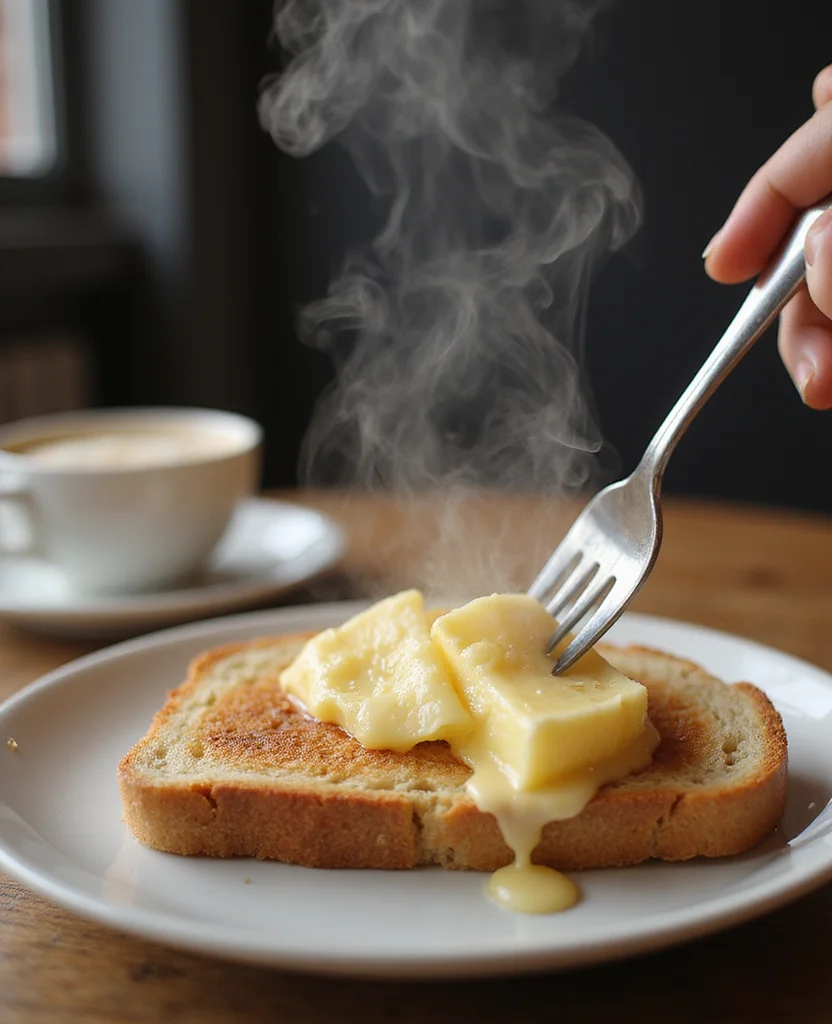
Preheat your oven to a low temperature, around 200°F (95°C).
Transfer the cooked French Toast slices to a baking sheet.
Place the baking sheet in the oven to keep the toast warm while you finish frying remaining slices.
Ensure the oven temperature is low enough to avoid drying out the toast.





Step 8: Garnish and Serve
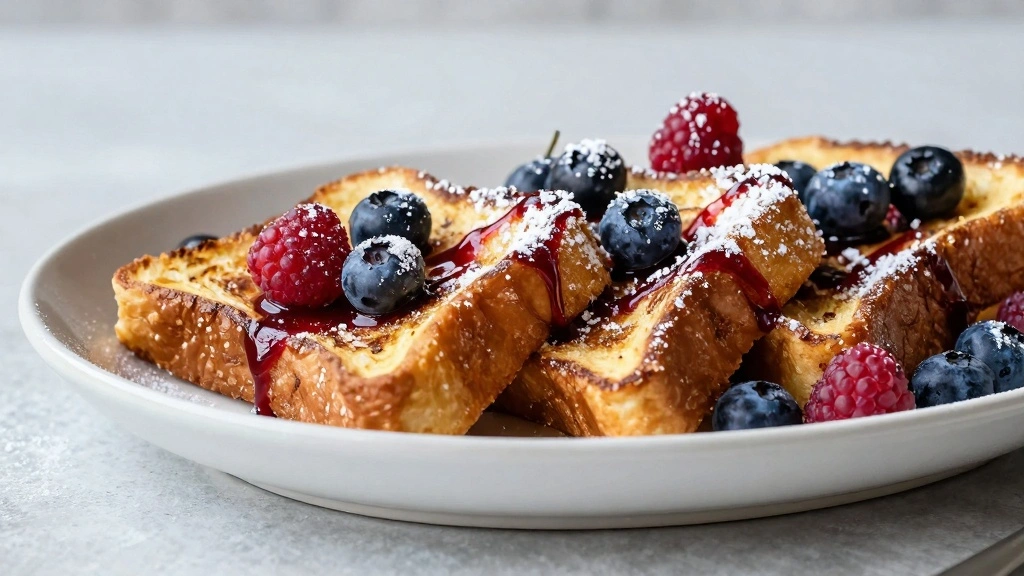
Once all slices are cooked, remove them from the oven.
Arrange the French Toast slices on a serving platter.
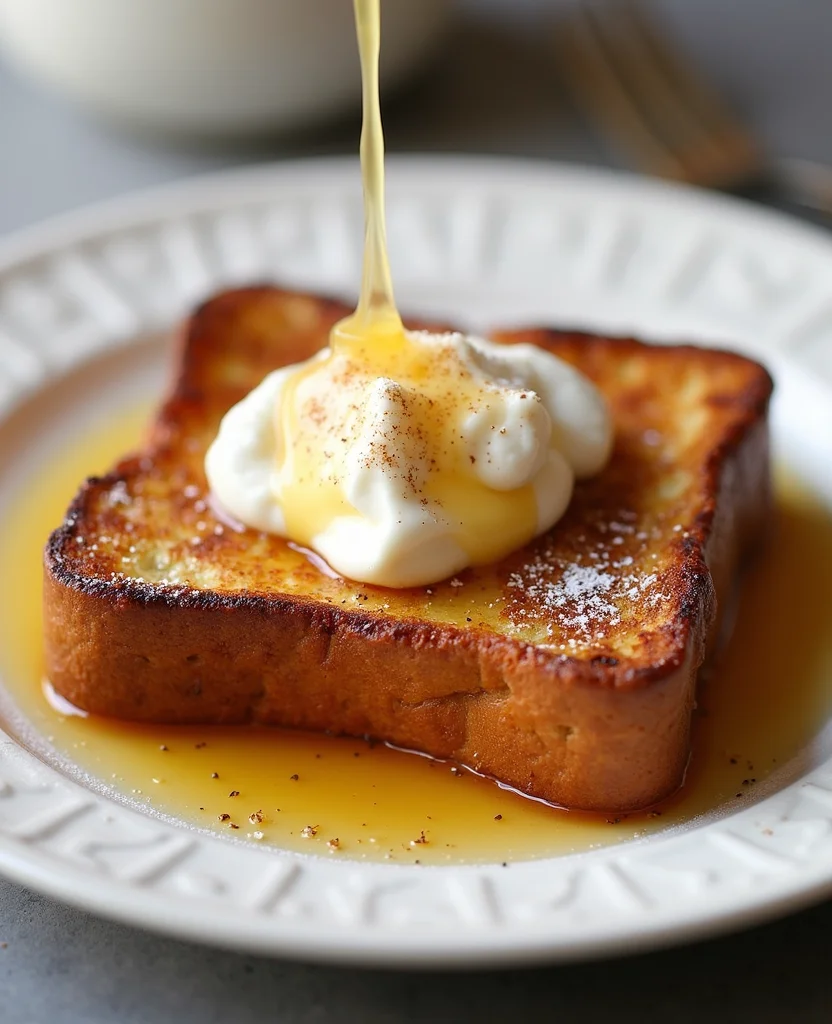
Top with fresh berries, a drizzle of maple syrup, and a sprinkle of powdered sugar.
Serve immediately for the best texture and flavor.



Critical Timing and Temperature Guide
Custard Soaking: Soak each slice for exactly 2 minutes on each side, ensuring the bread absorbs enough custard without becoming overly soggy.
Skillet Heating: Maintain a medium heat of around 350°F (175°C) to prevent the toast from burning while ensuring the interior cooks through.
Final Cooking: Each side of the French Toast should cook for 3-4 minutes, achieving a golden brown color without burning. Adjust the heat if necessary to maintain even cooking.
Pro Tips for French Toast
• Ingredient Selection: Choose sourdough bread that is slightly stale for better absorption and a tangy flavor.
• Preparation Secret: Use a pinch of salt in the custard to balance sweetness and enhance overall flavor.
• Temperature Management: Ensure the skillet is properly preheated to prevent sticking and achieve a crispy crust.
• Texture Enhancement: Let the custard rest for a few minutes after mixing to eliminate air bubbles and ensure a smoother texture.
• Flavor Layering: Add a touch of cinnamon to the custard for warmth and depth, enhancing the natural flavors of the bread.
• Make-Ahead Strategies: Prepare the custard the night before and store it in the fridge for a quick breakfast preparation.
• Restaurant-Quality Finishing Touches: Dust the finished French Toast with powdered sugar and add a dollop of whipped cream for a professional touch.
• Equipment Optimization: Use a wide spatula to flip the bread easily and prevent tearing.





Troubleshooting Common Issues
• Texture Too Dense: This is often caused by not mixing the custard thoroughly. Ensure the eggs and milk are fully combined and whisked with air.
• Flavors Unbalanced: If the French Toast is too sweet or bland, adjust the sugar and salt levels in the custard to taste.
• Burnt Exterior: Ensure the skillet is not too hot and adjust the heat to medium. Flip the toast sooner if needed.
• Undercooked Interior: Allow the bread to soak fully and cook longer at a lower heat to ensure the center is cooked through.
• Soggy Texture: Avoid oversoaking the bread and ensure the skillet is properly preheated to evaporate excess moisture.
• Uneven Cooking: Check the heat distribution on your stovetop and reposition the skillet if necessary for even browning.






Variations and Regional Differences
• American Style: Uses thick slices of brioche or challah, often enriched with cream and flavored with nutmeg.
• French Pain Perdu: Originates from France, using stale baguette slices soaked in a simple custard, traditionally served with powdered sugar.
• Italian Panettone French Toast: Made with slices of panettone, adding a fruity and nutty twist, often served during the holiday season.
• Spanish Torrijas: Similar to French Toast but soaked in wine or honey-infused milk, often prepared during Easter.
• Hong Kong-Style French Toast: A deep-fried version filled with peanut butter or jam, served with syrup and butter.
Food Science Behind the Recipe
• Maillard Reaction: This chemical reaction between amino acids and sugars gives the French Toast its golden-brown color and complex flavors.
• Emulsification: The blending of eggs and milk creates a stable emulsion that forms the custard, crucial for texture and flavor.
• Starch Gelatinization: The heat causes the starches in the bread to gelatinize, contributing to the custard-like interior.
• Protein Coagulation: As the custard cooks, the proteins in the eggs coagulate, helping to set the custard and create structure.
Frequently Asked Questions
What's the most common mistake people make when preparing French Toast? The most common mistake is not soaking the bread long enough, resulting in a dry texture.
Can I use a different type of bread? Yes, any sturdy bread like brioche or challah works well, but sourdough adds a unique tangy flavor.
How can I make this recipe dairy-free? Substitute the milk with almond or coconut milk and use a dairy-free butter alternative.
Why is my French Toast sticking to the pan? Ensure the skillet is properly preheated and greased with enough butter to prevent sticking.
What can I serve with French Toast? Fresh fruit, whipped cream, and a variety of syrups are popular accompaniments.
How do I store leftovers? Store in an airtight container in the refrigerator for up to 3 days. Reheat in the oven to retain crispness.
Can I freeze French Toast? Yes, freeze cooked slices on a baking sheet, then transfer to a freezer bag for up to 2 months.
Serving and Presentation Guide
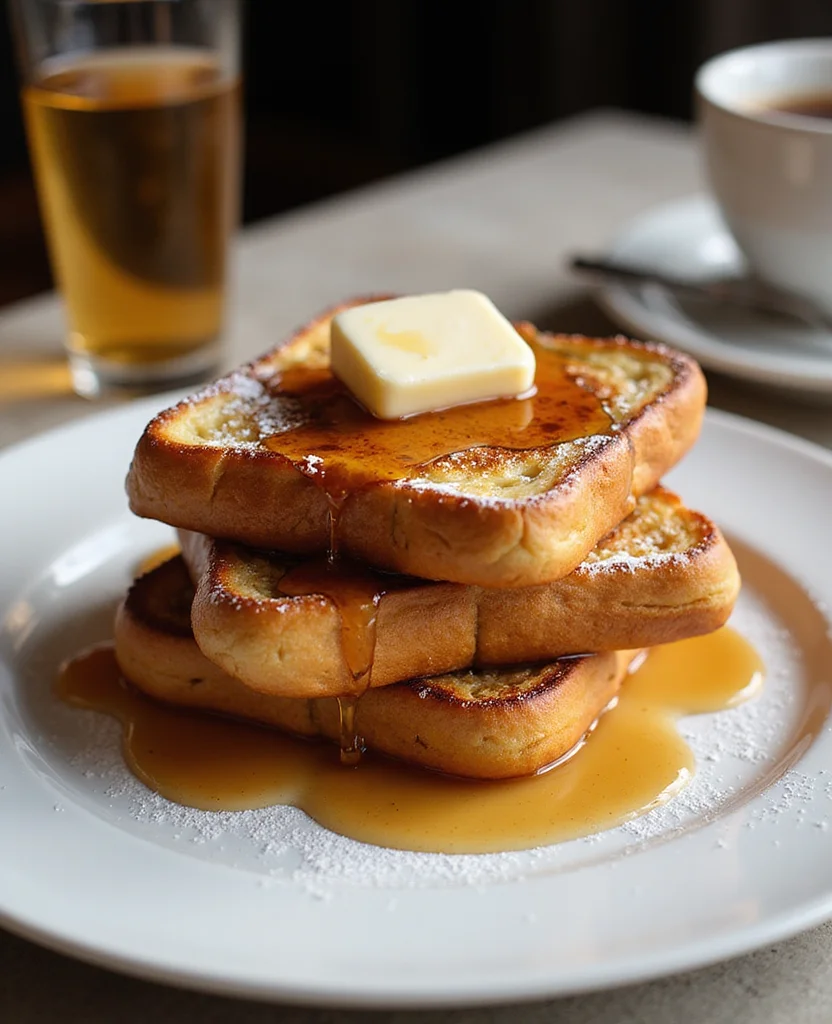
• Traditional Presentation: Serve the French Toast in a stack, topped with a pat of butter and a drizzle of maple syrup.
• Brunch Style: Pair with a mimosa or fresh orange juice, garnished with a sprig of mint for a refreshing touch.
• Family Style: Arrange on a large platter with a variety of toppings in small bowls, allowing each person to customize their serving.
• Restaurant Presentation: Serve on a rectangular plate with powdered sugar dusted over a stencil design for a professional look.




Conclusion

With its perfect balance of crispy and custardy textures, this French Toast recipe is sure to become a family favorite.
The use of sourdough bread adds a delightful tang that sets this dish apart from traditional versions.
Whether you're a seasoned chef or a home cook, this recipe is accessible and rewarding to make.
Try it for your next brunch and enjoy the smiles it brings to the table.