
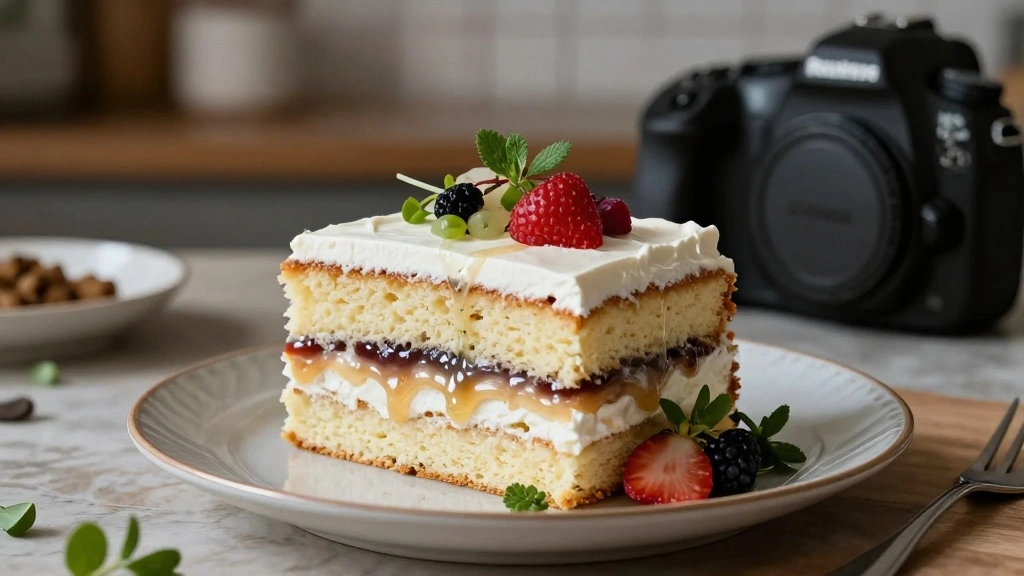
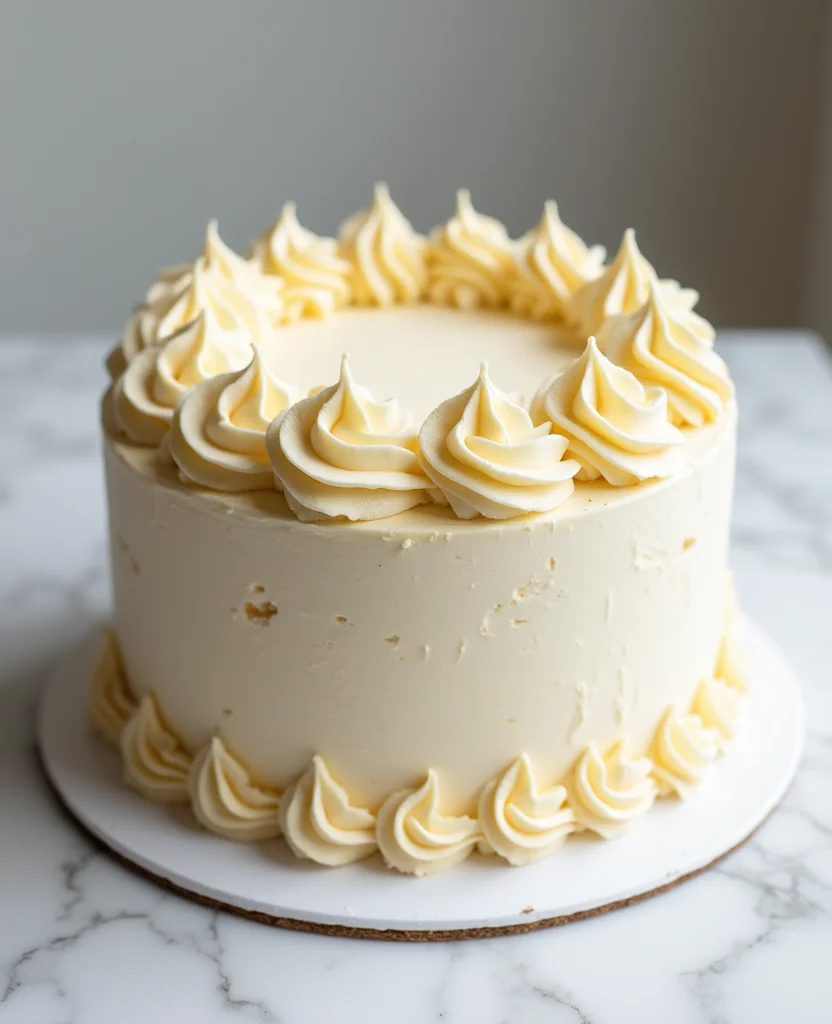
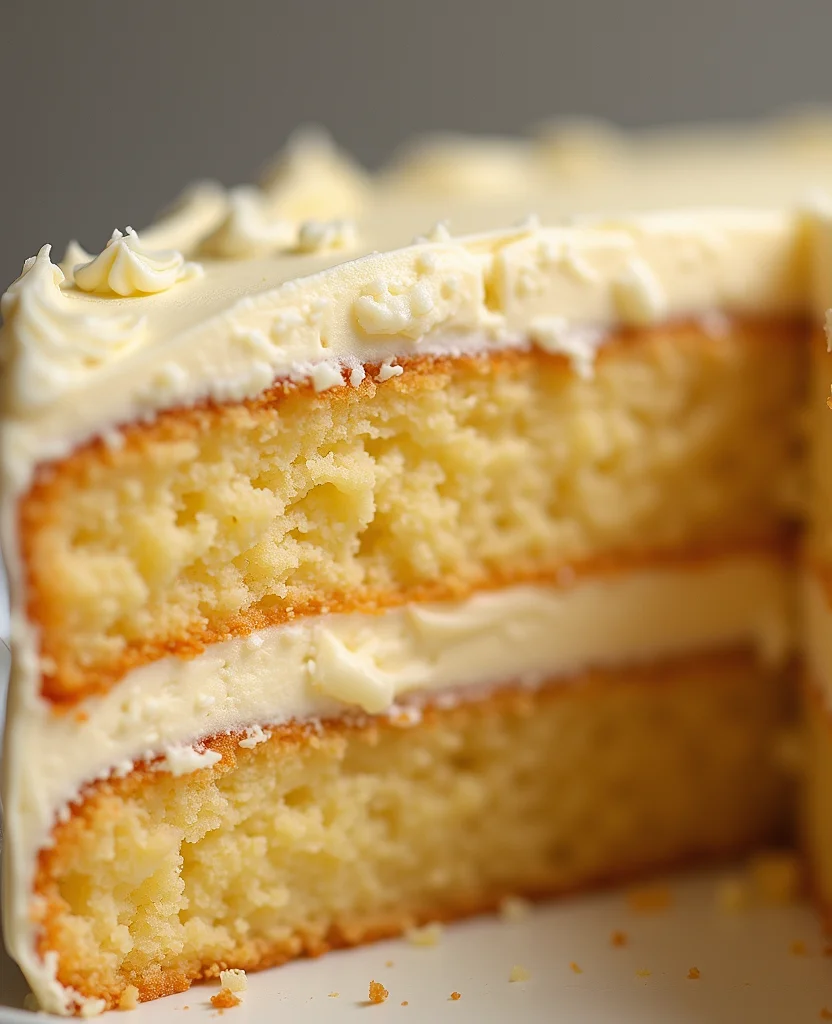
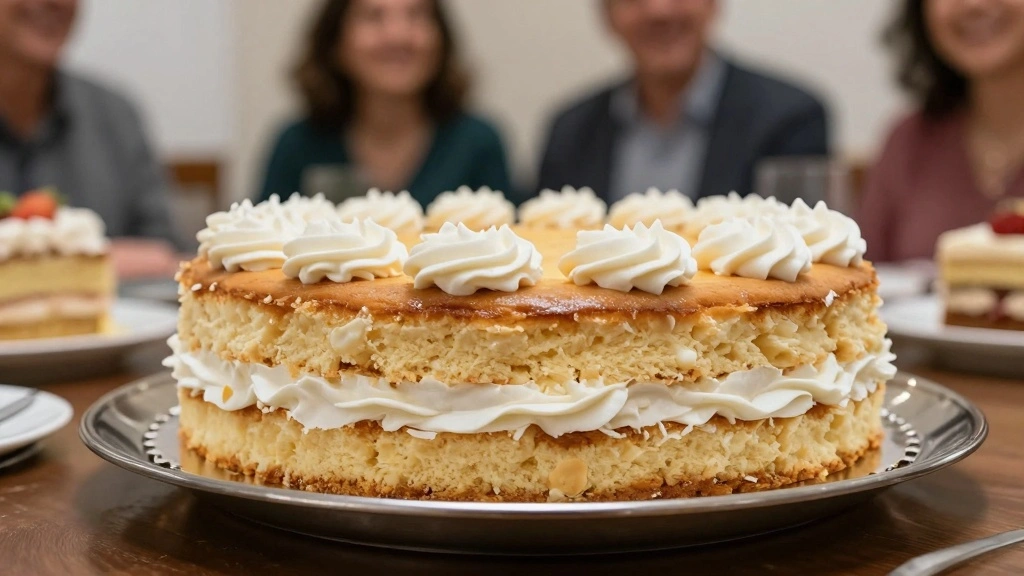
The French Vanilla Cake is a timeless confection that combines the rich, creamy essence of vanilla with a soft and fluffy texture.
Its delicate crumb and buttery undertones create a sensory experience that is both comforting and indulgent.
This cake is not just a dessert but a celebration of simplicity and elegance, perfect for any occasion.
Whether you’re marking a special event or simply treating yourself, this cake promises to deliver a slice of joy with every bite.
The History and Cultural Significance
• French Vanilla Cake traces its origins to 19th century France, where it was originally created by pastry chefs for the aristocracy.
• The dish evolved over decades as baking techniques improved and vanilla became more accessible, eventually becoming the beloved version we know today.
• In French culture, this dish traditionally appears at weddings and birthdays, symbolizing purity and celebration.
• While many variations exist across different regions, the authentic version maintains a soft, airy texture and pronounced vanilla flavor that sets it apart from imitations.



Recipe Overview
Nutritional Information (per serving)
Essential Equipment Guide
Stand Mixer: Essential for achieving a smooth, airy batter. Alternatives like a hand mixer can work but may require more time and effort. Look for mixers with a whisk attachment for best results.
Offset Spatula: Important for even frosting application, ensuring a professional finish. A butter knife can be used in its place but won’t provide the same smoothness.
Springform Pan: Helps in releasing the cake without damage. If unavailable, regular cake pans can be used with parchment paper lining to prevent sticking.
Ingredients
For the Cake
|
| Amount | Ingredient | Notes |
|---|---|---|
| 2 cups | all-purpose flour | sifted for light texture |
| 1 cup | sugar | granulated, adds sweetness |
| 1/2 cup | unsalted butter | softened, adds richness |
| 1 cup | milk | room temperature, ensures even mixing |
| 3 large | eggs | room temperature, binds ingredients |
| 2 teaspoons | vanilla extract | pure, for authentic flavor |
| 1 tablespoon | baking powder | leavening agent |
| 1/2 teaspoon | salt | enhances flavor |
For the Frosting
| Amount | Ingredient | Notes |
|---|---|---|
| 1 cup | unsalted butter | softened, base of frosting |
| 3 cups | powdered sugar | sifted, adds sweetness |
| 2 teaspoons | vanilla extract | pure, enhances flavor |
| 2 tablespoons | heavy cream | adds smoothness |
Preparation Methods
Creaming Method: This technique involves beating butter and sugar together until light and fluffy, which is crucial for incorporating air into the batter and achieving a tender cake. Make sure the butter is at room temperature for best results.
Sifting Ingredients: Sifting flour and sugar removes lumps and aerates them, leading to a smoother batter. This step shouldn't be skipped for a light and fluffy cake.
Folding Technique: Carefully folding the dry ingredients into the wet mixture helps maintain the batter's volume. Use a spatula for gentle mixing to avoid deflating the batter.



Step 1: Preheat the Oven
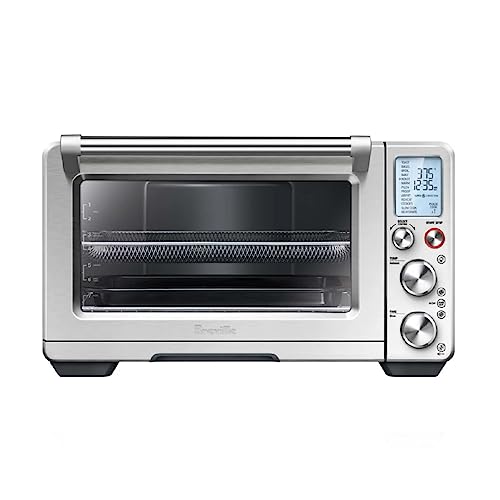
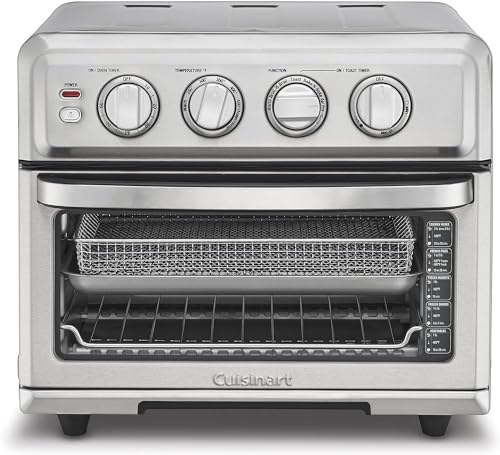
Set your oven to 350°F (175°C) to preheat while you prepare the batter.
This ensures the oven is at the right temperature when the cake is ready to bake.
A preheated oven is crucial for the cake to rise properly.
Use an oven thermometer to verify the temperature if needed.




Step 2: Prepare the Cake Pans

Grease two 9-inch round cake pans with butter.
Line the bottoms with parchment paper to prevent sticking.
Dust the insides with flour and tap out the excess.
This preparation ensures the cakes release easily after baking.


Step 3: Cream Butter and Sugar
In a stand mixer, cream together softened butter and sugar until light and fluffy.
Mix on medium speed for about 4-5 minutes.
The mixture should appear pale and airy.
Scrape down the sides of the bowl periodically for even mixing.
Step 4: Add Eggs and Vanilla
Add the eggs one at a time to the creamed mixture, beating well after each addition.
Add the vanilla extract and continue to mix until combined.
The mixture should be smooth and homogenous.
Ensure the eggs are fully incorporated before proceeding.
Step 5: Incorporate Dry Ingredients
In a separate bowl, sift together the flour, baking powder, and salt.
Gradually add the dry ingredients to the wet mixture, alternating with milk.
Begin and end with the dry ingredients.
Mix on low speed until just combined to avoid overworking the batter.
Step 6: Divide and Pour Batter

Divide the batter evenly between the prepared cake pans.
Use a spatula to level the tops.
This ensures even baking and prevents doming.
Tap the pans gently on the counter to release any air bubbles.
Step 7: Bake the Cakes

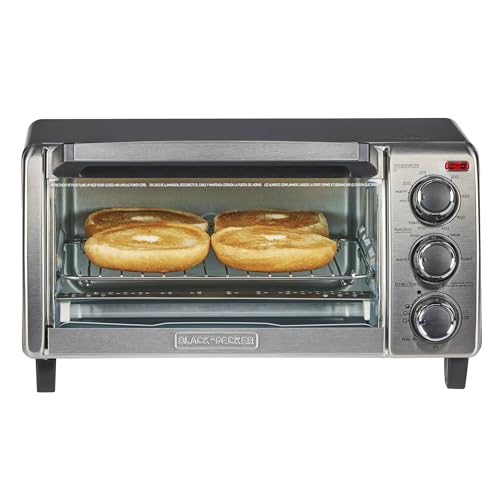
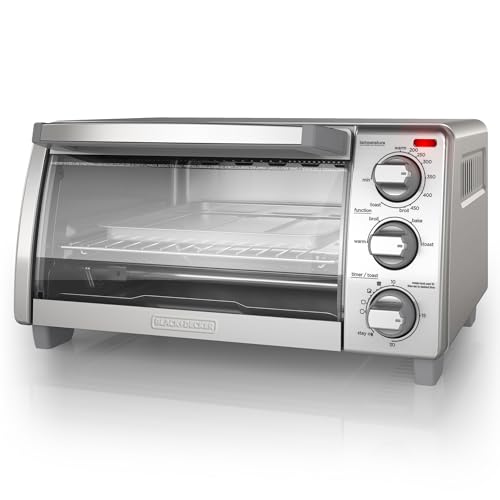
Place the cake pans in the preheated oven on the center rack.
Bake for 25-30 minutes, or until a toothpick inserted into the center comes out clean.
The edges should be golden brown and starting to pull away from the sides.
Rotate the pans halfway through baking for even cooking.



Step 8: Cool and Frost

Remove the cakes from the oven and allow them to cool in the pans for 10 minutes.
Transfer to a wire rack to cool completely before frosting.
Prepare the frosting by beating butter, powdered sugar, vanilla, and cream until smooth.
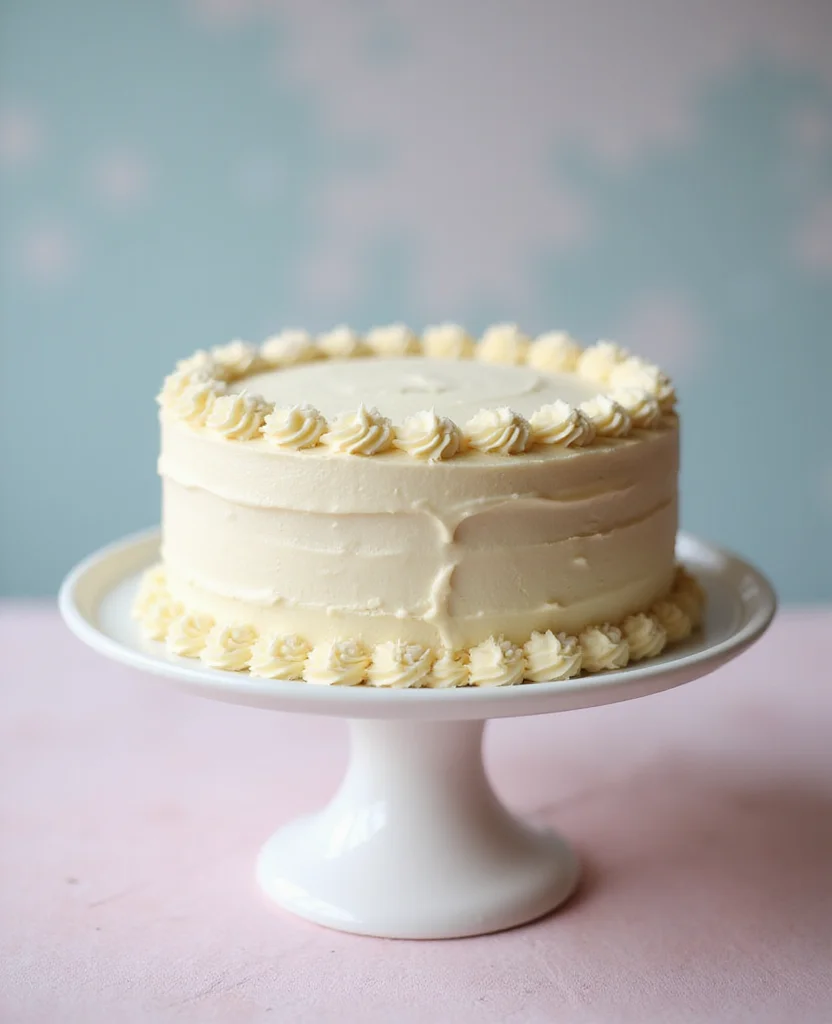
Once the cakes are cool, spread a layer of frosting between them and cover the top and sides.
Critical Timing and Temperature Guide
Baking Process: Bake at 350°F (175°C) for 25-30 minutes. Cakes are done when a toothpick inserted into the center comes out clean. Avoid opening the oven frequently to prevent temperature fluctuations.
Cooling Process: Allow cakes to cool in the pans for 10 minutes before transferring to a wire rack. This prevents them from becoming soggy from trapped steam.
Frosting Application: Apply frosting to completely cooled cakes to prevent melting. Cakes should be at room temperature for the frosting to adhere properly and not slide off.
Pro Tips for French Vanilla Cake
• Ingredient Selection: Use pure vanilla extract for the best flavor. High-quality butter and fresh eggs significantly enhance the cake's taste and texture.
• Preparation Secret: For an extra moist cake, add a tablespoon of oil to the batter. This is a trick often used by professionals.
• Temperature Management: Ensure all ingredients are at room temperature before mixing. This allows for better emulsification and a smoother batter.
• Texture Enhancement: Sifting the flour not only removes lumps but also adds air, which contributes to a lighter cake.
• Flavor Layering: Add a pinch of salt to the frosting to balance the sweetness and enhance the vanilla flavor.
• Make-Ahead Strategies: Bake the cakes a day in advance and wrap them tightly in plastic wrap. Store at room temperature and frost before serving.
• Restaurant-Quality Finishing Touches: Garnish with fresh berries or edible flowers for a professional look.
• Equipment Optimization: Use a turntable to easily frost the cake evenly, giving a polished finish similar to professional bakeries.
Troubleshooting Common Issues
• Texture Too Dense: This can occur if the batter is overmixed. Mix just until ingredients are combined and no more.
• Uneven Layers: Ensure the batter is evenly divided between pans and level the tops with a spatula before baking.
• Sinking in the Middle: Often caused by opening the oven door too early. Wait until the cake has set before checking.
• Dry Cake: Overbaking is a common cause. Check the cake a few minutes before the suggested time.
• Frosting Sliding Off: Ensure the cake is completely cool before applying frosting or it will melt and slide.
• Lumpy Batter: Usually due to unsifted flour or sugar. Sift ingredients to avoid lumps.
Variations and Regional Differences
• American Vanilla Cake: Often includes a heavier use of butter and sugar, resulting in a richer, denser cake compared to the French version.
• Italian Vanilla Cake: Incorporates olive oil instead of butter for a unique flavor and moist texture, often paired with a citrus zest.
• Japanese Vanilla Castella: A sponge cake that uses honey and requires a different baking technique, resulting in a lighter, airy texture.
• Mexican Vanilla Cake: Often infused with cinnamon and uses Mexican vanilla, which has a spicier, more robust flavor.
Food Science Behind the Recipe
• Emulsification: The process of mixing fat with water-based ingredients (like butter and eggs) creates a stable batter that traps air, leading to a light, fluffy cake.
• Leavening Agents: Baking powder releases carbon dioxide during baking, causing the cake to rise and create a tender crumb.
• Maillard Reaction: The sugars and proteins in the cake react during baking to develop a golden-brown crust and rich flavor.
• Starch Gelatinization: As the cake bakes, the flour absorbs liquid and swells, providing structure and the soft crumb texture.
Frequently Asked Questions
What's the most common mistake people make when preparing French Vanilla Cake? Overmixing the batter, which can lead to a dense cake.
Can I use vanilla essence instead of extract? Vanilla extract is recommended for a more authentic, robust flavor.
How can I tell if my cake is done? Insert a toothpick into the center. If it comes out clean, the cake is ready.
Why did my cake sink in the middle? This is often due to opening the oven door too early or using expired baking powder.
Is it necessary to sift the flour? Yes, sifting helps achieve a lighter texture by removing lumps and incorporating air.
Can I substitute milk with a non-dairy alternative? Yes, almond or oat milk can work, but it may slightly alter the flavor.
How do I prevent my frosting from being too sweet? Add a pinch of salt or a splash of lemon juice to balance the sweetness.
Serving and Presentation Guide
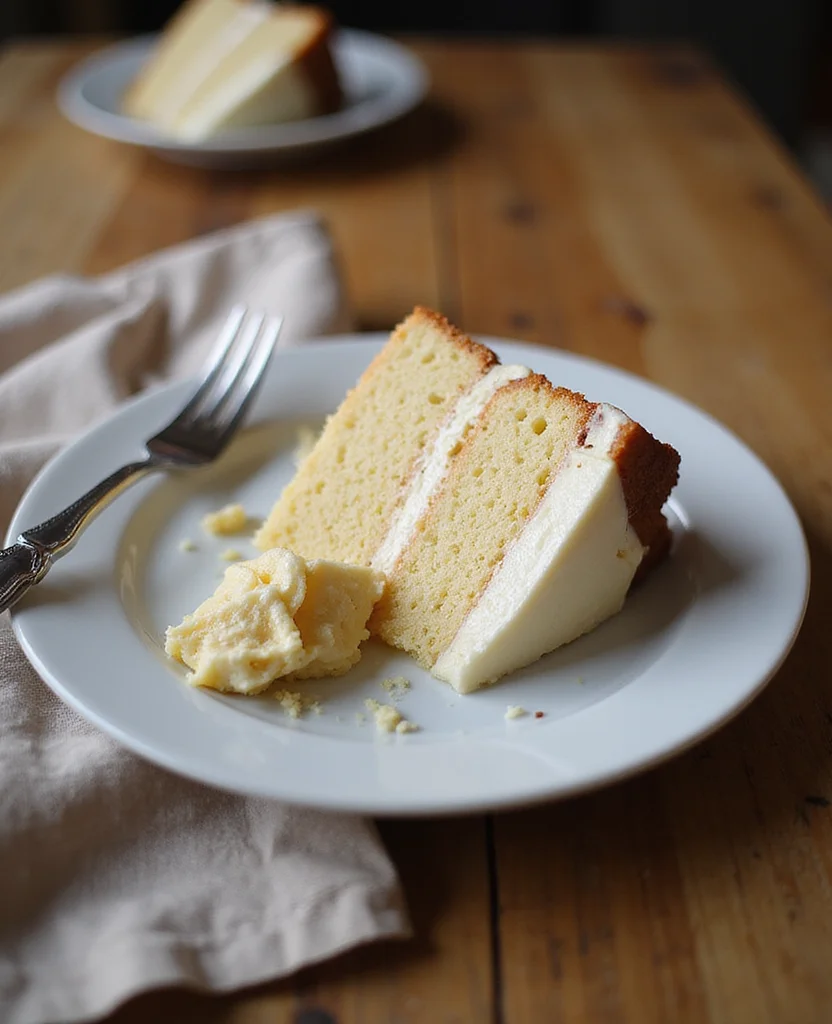
• Traditional Presentation: Serve the cake on a decorative cake stand, with slices arranged neatly around the base for a classic look.
• Modern Twist: Drizzle chocolate ganache over the top and let it cascade down the sides for a contemporary flair.
• Casual Serving: For informal gatherings, cut into squares and serve on a rustic wooden board with a side of fresh berries.
• Elegant Touch: Top with edible flowers or gold leaf for a luxurious presentation perfect for formal events.


Conclusion
Now that you've mastered the art of making French Vanilla Cake, you're ready to impress your family and friends with this delightful dessert.
Remember, the key to perfection is in the details—selecting quality ingredients and following each step with care.
We hope this recipe brings joy to your table and becomes a cherished addition to your baking repertoire.