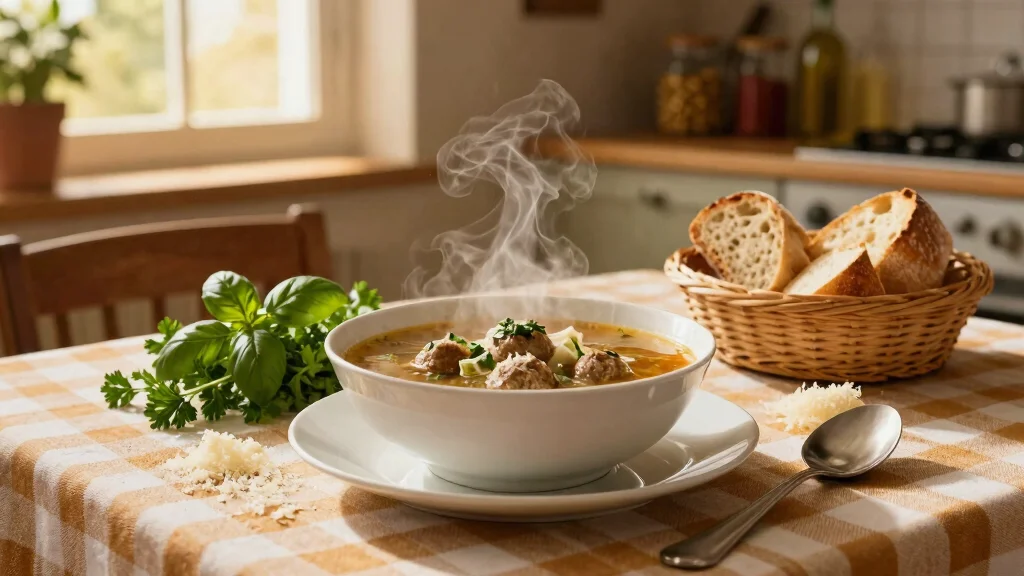

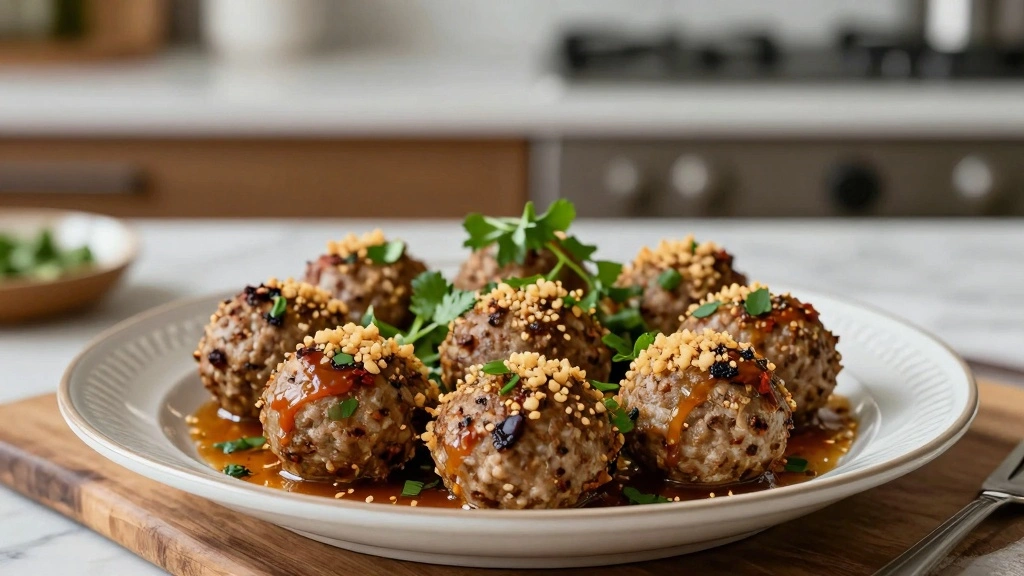
This classic Homemade Italian Meatballs recipe brings together centuries of culinary tradition with a modern twist by eliminating breadcrumbs.
The harmonious balance of savory beef, aromatic herbs, and a hint of Parmesan creates a memorable dining experience that will have everyone asking for your secret.
I discovered this recipe during my travels through southern Italy, where local chefs have perfected it through generations of careful refinement.
Whether you’re preparing a casual family dinner or hosting a special celebration, these meatballs deliver impressive results with straightforward preparation.
The History and Cultural Significance
• Homemade Italian Meatballs trace their origins to 14th century Italy, where they were originally created by resourceful home cooks using available ingredients.
• The dish evolved over decades as regional variations incorporated local herbs and meats, eventually becoming the beloved version we know today.
• In Italian culture, this dish traditionally appears at family gatherings and festive occasions, symbolizing warmth and togetherness.
• While many variations exist across different regions, the authentic version maintains a simplicity in ingredients that sets it apart from imitations.



Recipe Overview
Nutritional Information (per serving)
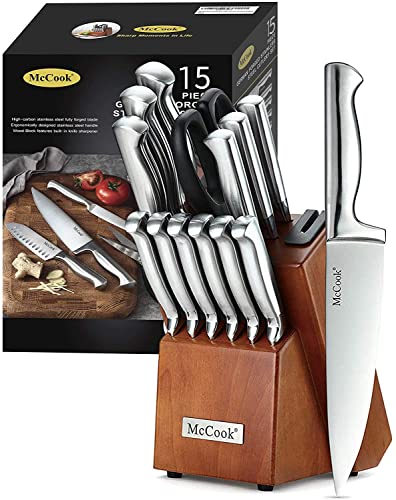
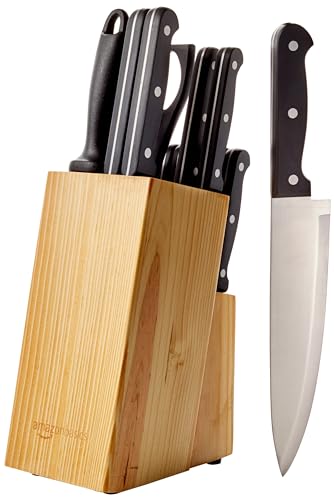
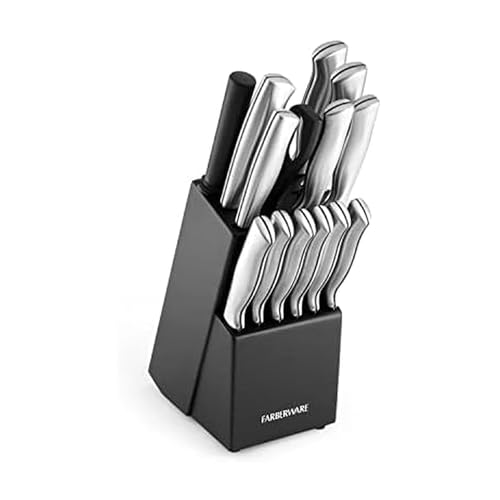
Essential Equipment Guide
Mixing Bowl: A large mixing bowl is crucial for combining all ingredients thoroughly without making a mess. Alternatives include a stand mixer with a paddle attachment for easier mixing.
Non-Stick Skillet: This is essential for evenly cooking meatballs without them sticking, ensuring a perfect sear. Cast iron skillets are a good alternative but require careful temperature management.
Tongs: Useful for turning meatballs gently in the skillet to maintain their shape. Look for tongs with heat-resistant tips to prevent damage to the non-stick surface.
Ingredients
For the Meatballs
|
| Amount | Ingredient | Notes |
|---|---|---|
| 500 grams | ground beef | provides rich flavor |
| 50 grams | Parmesan cheese | finely grated, adds umami |
| 1 large | egg | binds ingredients |
| 2 cloves | garlic | minced, adds depth |
| 1 tablespoon | fresh parsley | chopped, adds freshness |
| 1 teaspoon | salt | enhances flavor |
| 0.5 teaspoon | pepper | adds heat |
For the Sauce
| Amount | Ingredient | Notes |
|---|---|---|
| 400 grams | tomato puree | base for sauce |
| 1 tablespoon | olive oil | adds richness |
| 1 small | onion | finely chopped |
| 1 teaspoon | dried oregano | adds aroma |




Preparation Methods
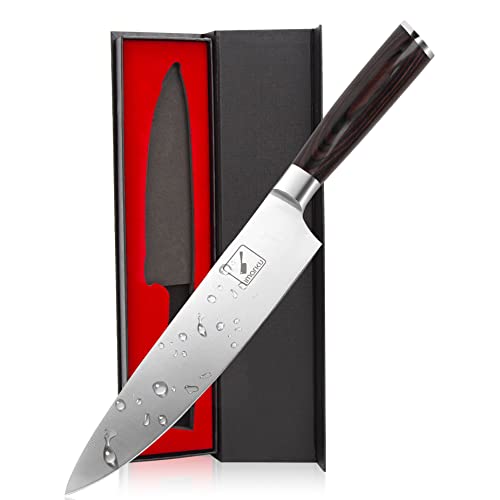
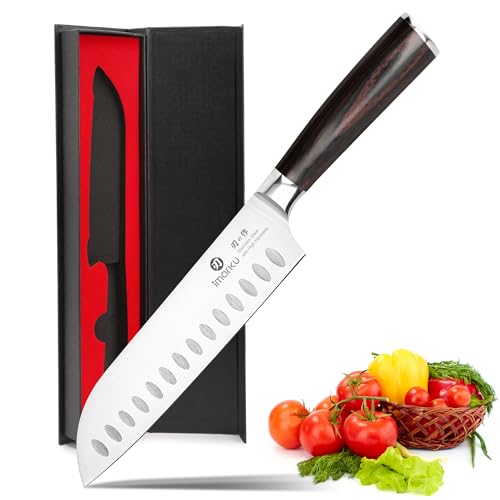
Mincing Garlic: Mincing garlic finely ensures that it blends seamlessly into the meatball mixture, preventing any harsh bites and allowing the flavor to infuse evenly. Use a sharp knife and a steady hand for best results.
Binding with Egg: Incorporating an egg into the meat mixture is crucial for binding. Beat the egg before adding to ensure even distribution, preventing the meatballs from falling apart during cooking.
Simmering Sauce: Allowing the sauce to simmer slowly helps deepen its flavor and thicken its consistency. Use a low heat and stir occasionally to prevent sticking or burning.




Step 1: Prepare Ingredients
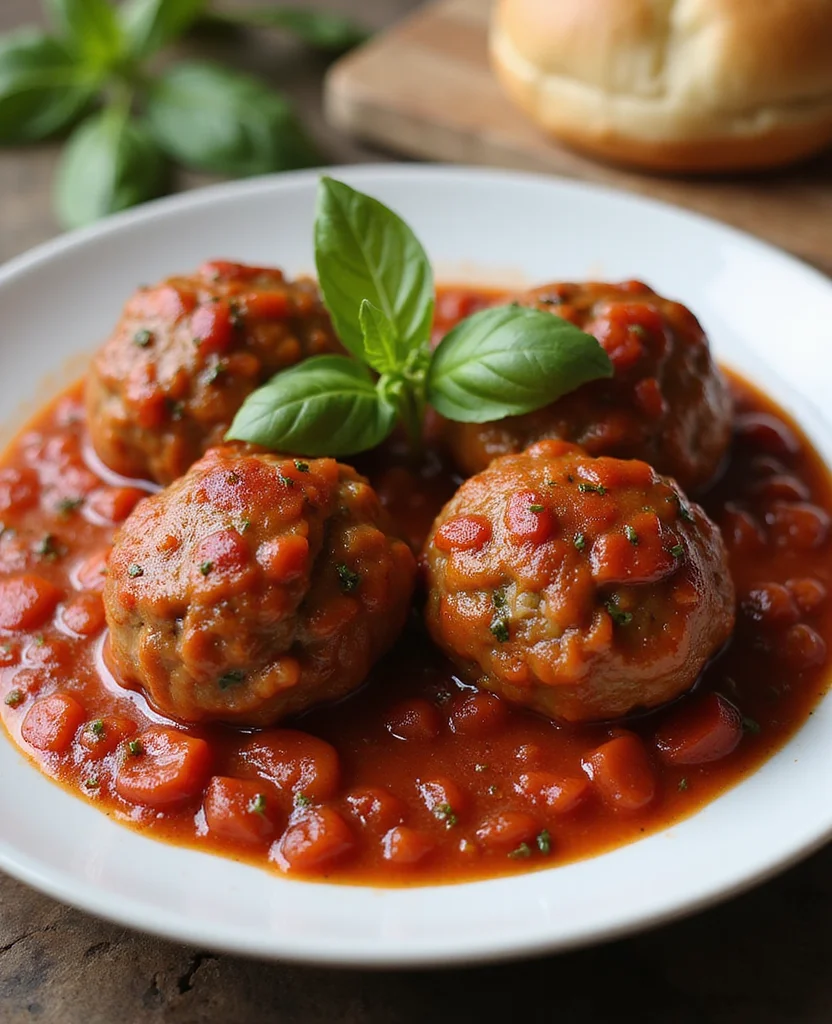
Gather all ingredients and equipment needed for the recipe.
Measure and set aside each ingredient.
Ensure ingredients like garlic and onion are finely chopped to integrate well.
This preparation step makes the cooking process seamless and efficient.


Step 2: Mix Meatball Ingredients
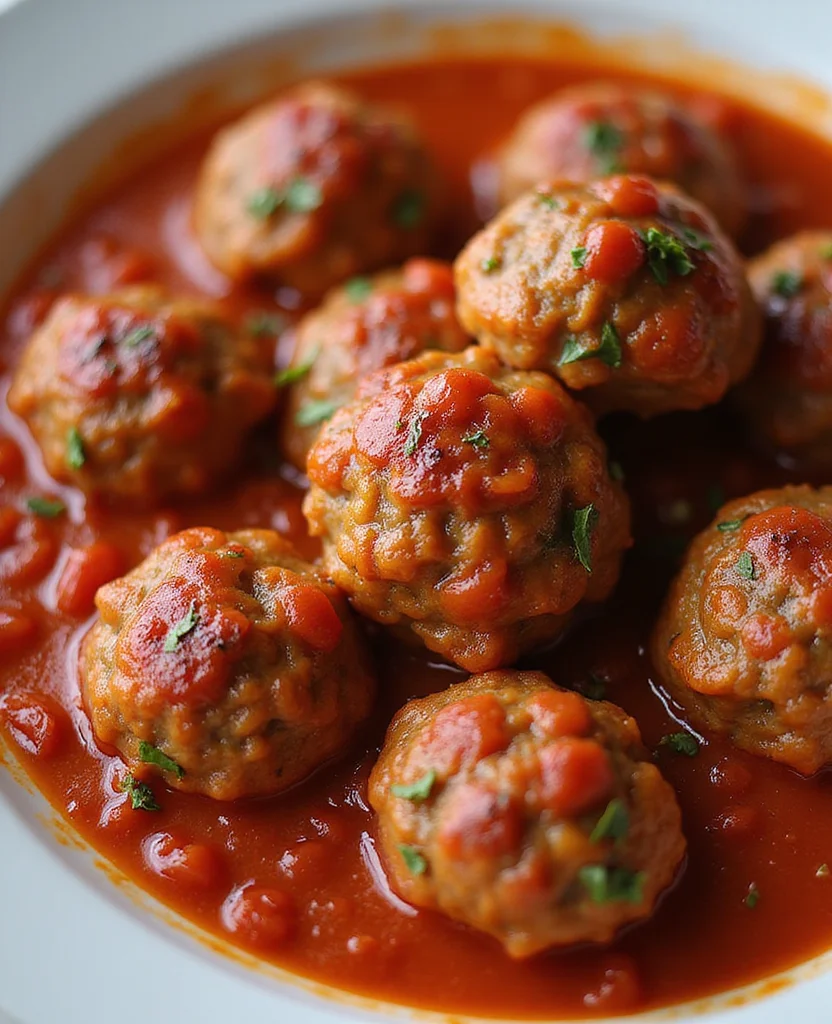
Place ground beef, grated Parmesan, minced garlic, chopped parsley, beaten egg, salt, and pepper into a large mixing bowl.
Use clean hands to gently mix the ingredients until just combined.
Be careful not to overmix as this can make the meatballs dense.
Aim for a uniform distribution of ingredients throughout the mixture.
Step 3: Shape Meatballs
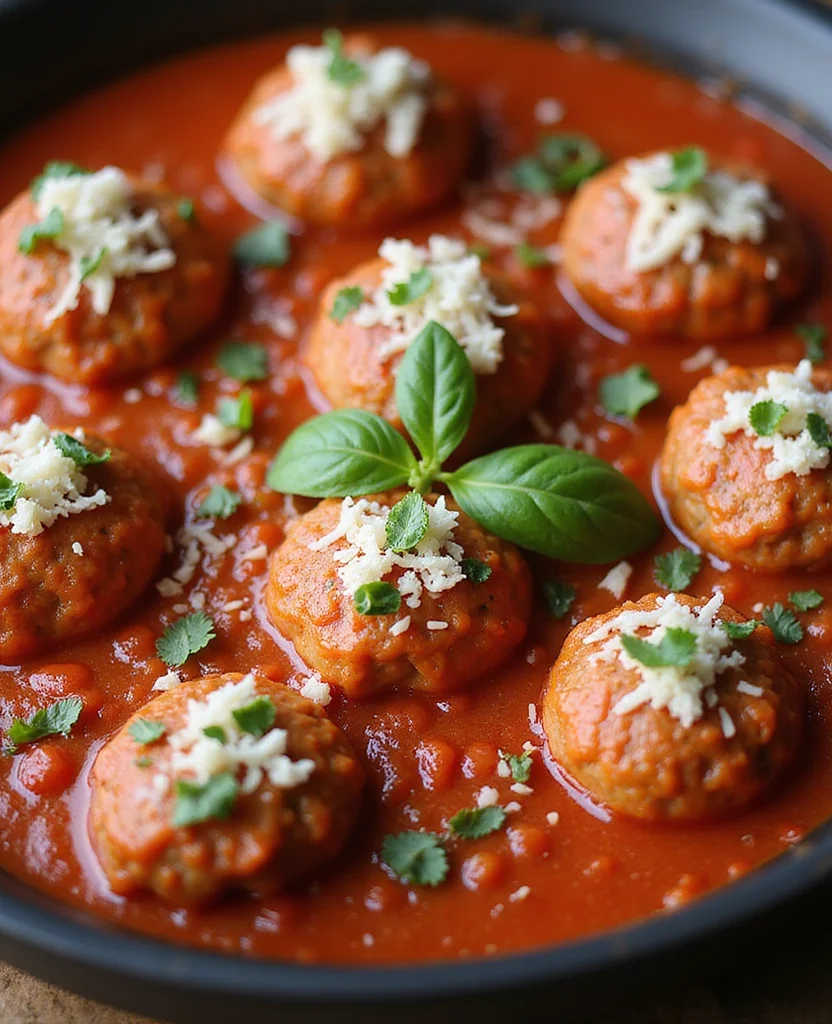
Using your hands, form small, evenly sized balls from the meat mixture.
Each meatball should be about 1 inch in diameter for even cooking.
Place formed meatballs on a clean plate or tray.
Ensure they are spaced apart to prevent sticking.
Step 4: Heat Skillet
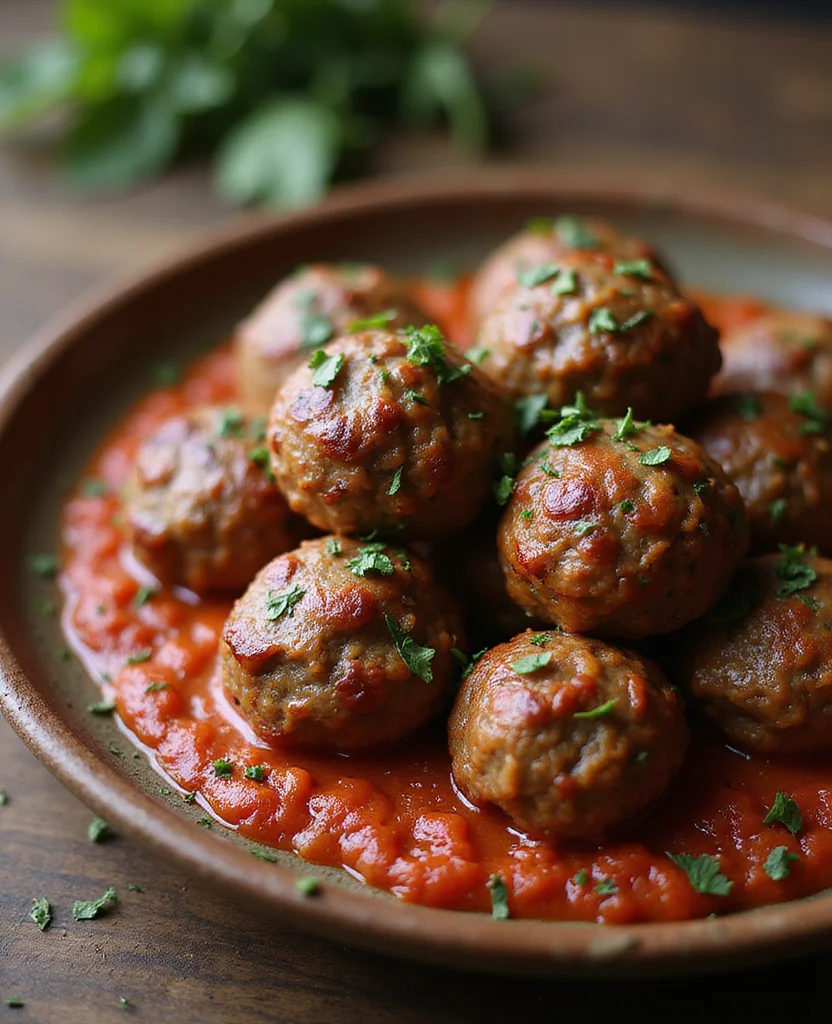
Place a non-stick skillet over medium heat and add olive oil.
Allow the oil to heat until it shimmers, indicating it's ready for cooking.
Avoid overheating to prevent burning the oil and affecting flavor.
Properly heated oil ensures meatballs sear nicely.
Step 5: Cook Meatballs
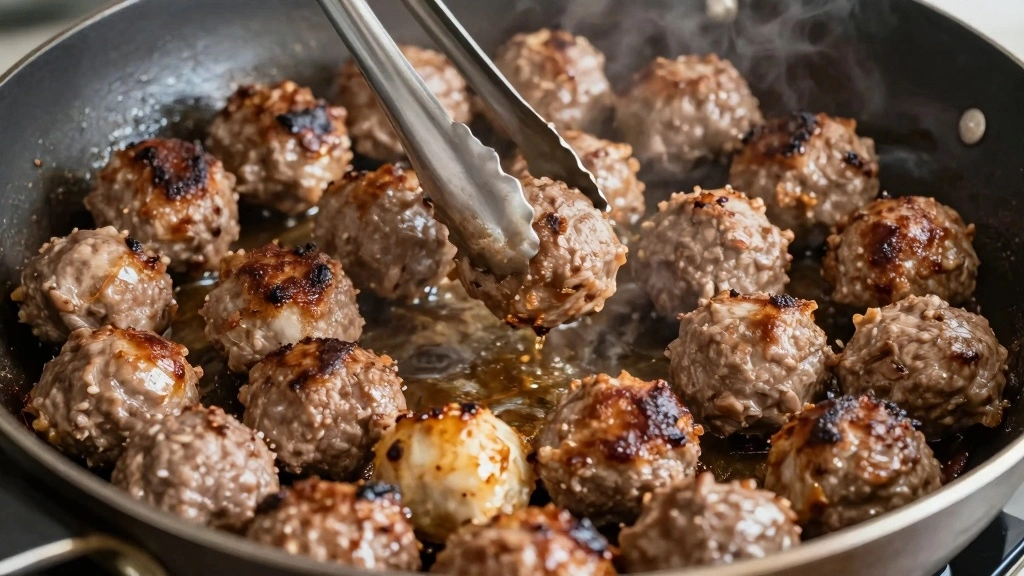
Gently add meatballs to the heated skillet using tongs.
Cook in batches if necessary to avoid overcrowding.
Cook each meatball for about 4-5 minutes per side, until nicely browned.
Ensure meatballs are cooked evenly by turning them carefully.
Step 6: Prepare Sauce
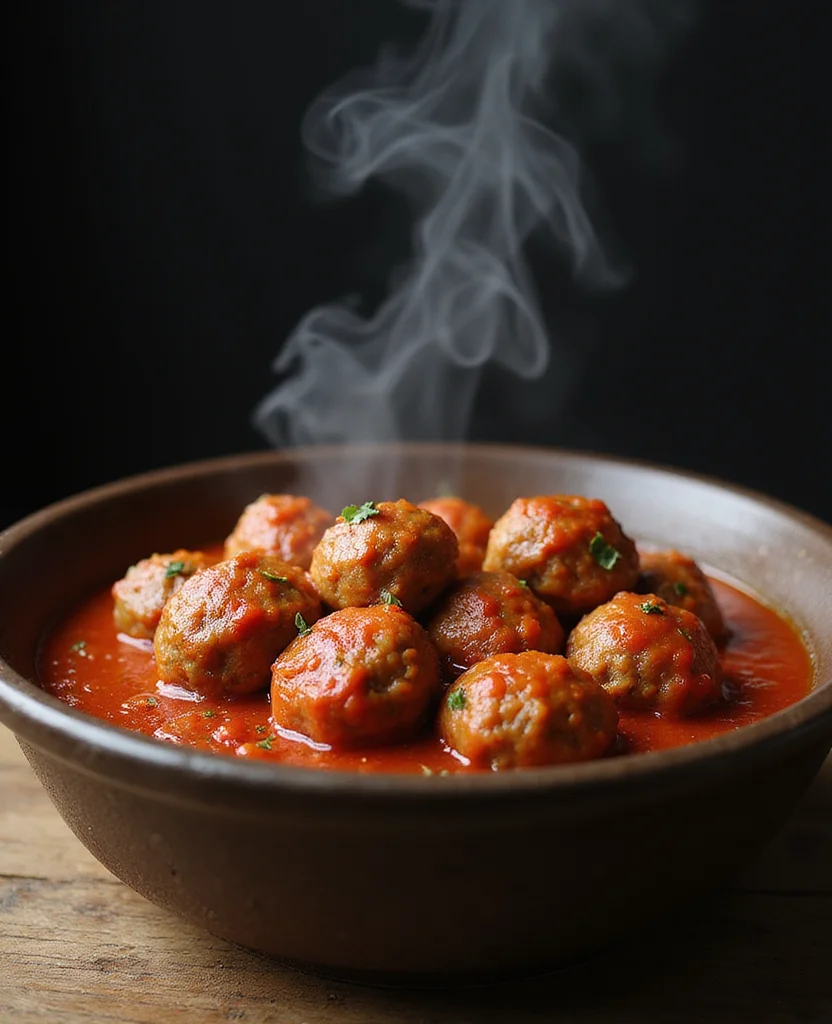
In a separate saucepan, heat olive oil over medium heat.
Add chopped onion and sauté until translucent and fragrant.
Pour in tomato puree and add dried oregano.
Stir the sauce and reduce heat to low, allowing it to simmer.
Step 7: Combine Meatballs and Sauce
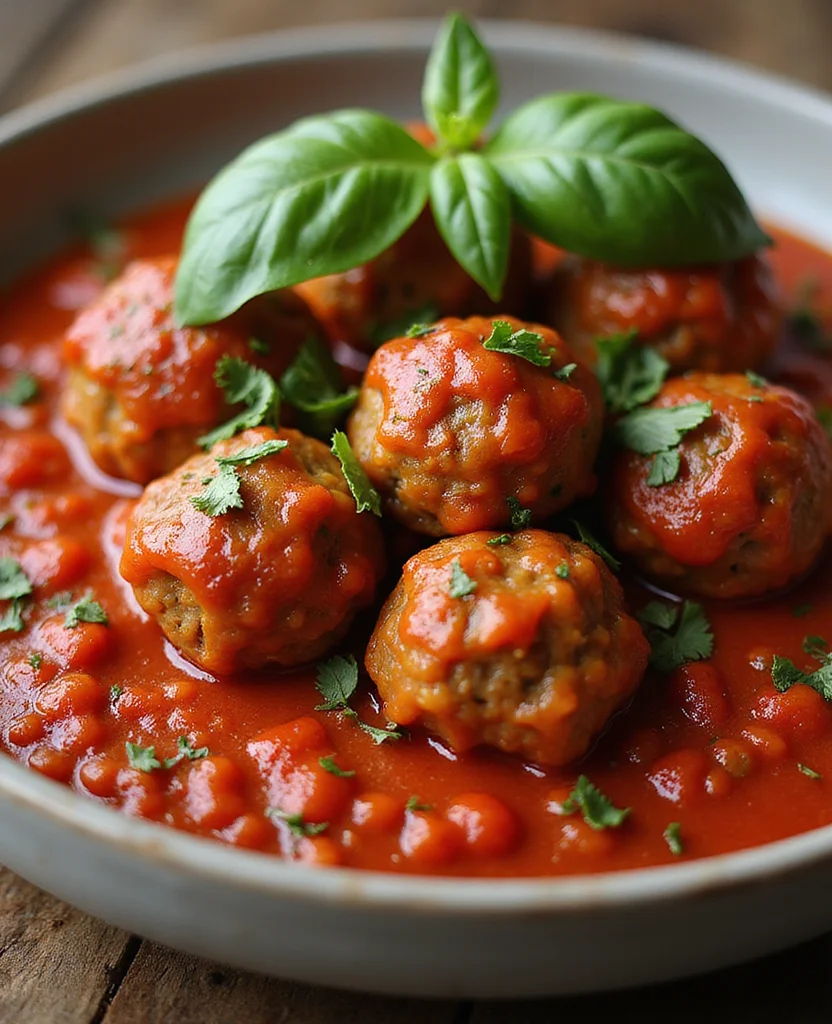
Transfer cooked meatballs to the simmering sauce.
Ensure all meatballs are submerged to absorb the sauce flavors.
Cover the saucepan and allow to simmer for an additional 10 minutes.
This step infuses the meatballs with rich tomato flavors.
Step 8: Serve
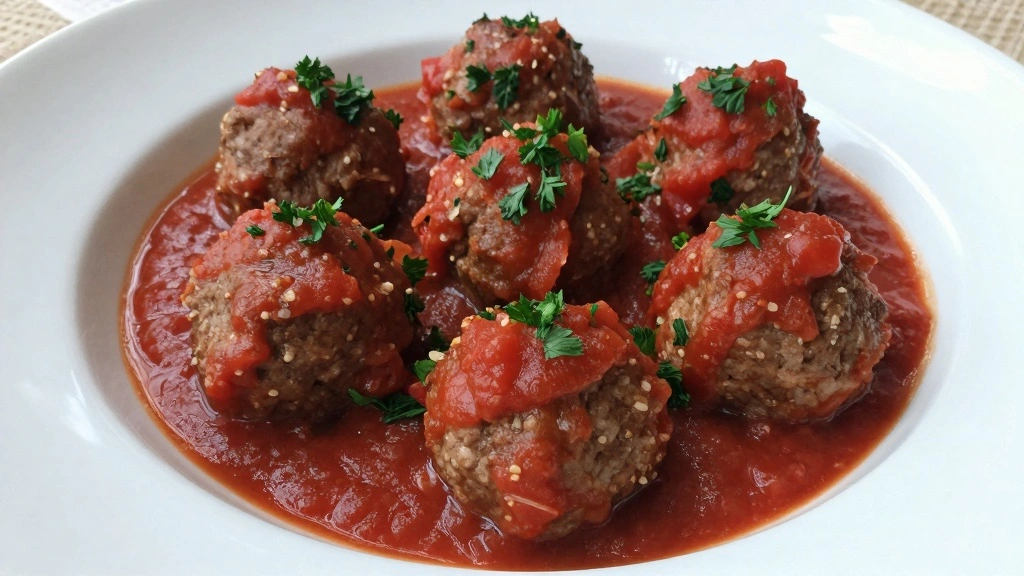
Carefully remove meatballs from the sauce using a spoon.
Serve them hot, garnished with extra fresh parsley if desired.
Pair with pasta, crusty bread, or a fresh salad for a complete meal.
Enjoy the blend of flavors and textures.



Critical Timing and Temperature Guide
Searing Meatballs: Sear meatballs at medium heat for 4-5 minutes per side until golden brown. Avoid high heat that can burn the exterior before the inside cooks.
Simmering Sauce: Maintain a low simmer for the sauce to prevent burning and allow flavors to meld. Stir occasionally and ensure the sauce doesn't dry out.
Final Simmer: Simmer meatballs in the sauce for 10 minutes to ensure flavors are absorbed. Avoid boiling, which can make the meatballs tough.
Pro Tips for Homemade Italian Meatballs
• Ingredient Selection: Choose high-quality ground beef with a balanced fat content for juicy meatballs, and fresh Parmesan for the best flavor.
• Preparation Secret: Let the meatball mixture rest for 10 minutes before forming to allow flavors to meld and moisture to distribute evenly.
• Temperature Management: Use room temperature ingredients for even cooking and better texture.
• Texture Enhancement: Handle the meat mixture gently to avoid compacting, which makes meatballs dense.
• Flavor Layering: Incorporate fresh herbs along with dried seasonings to create depth and complexity in flavor.
• Make-Ahead Strategies: Prepare meatballs up to a day in advance and store them covered in the refrigerator. Reheat gently in sauce before serving.
• Restaurant-Quality Finishing Touches: Finish with a drizzle of high-quality olive oil and a sprinkle of Parmesan just before serving.
• Equipment Optimization: Ensure your skillet is the right size to accommodate meatballs in a single layer for even searing.
Troubleshooting Common Issues
• Texture Too Dense: Overmixing the meatball mixture often causes dense texture. Mix just until combined to maintain tenderness.
• Flavors Unbalanced: If the meatballs taste bland, insufficient seasoning might be the cause. Ensure proper measurement of salt and enhance with additional herbs if needed.
• Meatballs Falling Apart: This often happens if the egg is not well incorporated. Ensure the egg is beaten and mixed thoroughly into the meat.
• Burning During Searing: If meatballs burn, the heat is too high. Adjust to medium heat and monitor closely for even browning.
• Sauce Too Thin: Allow the sauce to simmer longer to thicken, or add a small amount of tomato paste to improve consistency.
• Sauce Too Thick: Thin out a thick sauce with a splash of water or broth while simmering to achieve desired consistency.
Variations and Regional Differences
• Neapolitan Style: This version includes raisins and pine nuts in the meatball mixture for a sweet and nutty flavor profile, reflecting the region's culinary influences.
• Sicilian Variation: Incorporates breadcrumbs soaked in milk for added moisture and often includes pecorino cheese instead of Parmesan.
• Roman Style: Known for using a mix of pork and beef to enhance the richness and flavor complexity, often served with a simple tomato sauce.
• American-Italian Adaptation: Features larger meatballs with a blend of beef, pork, and veal, often served over spaghetti with a rich marinara sauce.
Food Science Behind the Recipe
• Maillard Reaction: The browning of the meatballs during searing is due to the Maillard reaction, which enhances flavor and color.
• Emulsification: The egg acts as an emulsifier, binding the meat and other ingredients to create a cohesive mixture.
• Flavor Extraction: Simmering meatballs in sauce allows flavors to be extracted and absorbed, creating a more integrated and rich taste.
Frequently Asked Questions
What's the most common mistake people make when preparing Homemade Italian Meatballs? Overmixing the meat mixture, which leads to dense and tough meatballs.
Can I freeze the meatballs? Yes, you can freeze them before or after cooking. For best results, freeze on a tray before transferring to a container.
How can I make these meatballs gluten-free? This recipe is already gluten-free as it doesn't use breadcrumbs.
What type of ground meat is best? Ground beef with a balanced fat content of about 80/20 provides the best flavor and moisture.
Can I use a different cheese instead of Parmesan? Yes, pecorino romano is a great alternative if you prefer a sharper flavor.
Why are my meatballs falling apart? Ensure the egg is well incorporated and don't skip resting the mixture before shaping.
How do I store leftovers? Store them in an airtight container in the refrigerator for up to three days, or freeze for longer storage.
What's the best way to reheat meatballs? Reheat gently in sauce on the stovetop or in the oven at a low temperature to maintain moisture.
Serving and Presentation Guide
• Traditional Presentation: Serve meatballs over spaghetti with a generous ladle of sauce and a sprinkle of Parmesan and fresh basil.
• Appetizer Style: Serve smaller meatballs with toothpicks and a side of marinara for dipping, ideal for parties.
• Rustic Platter: Present meatballs on a large platter with a side of crusty bread and a light arugula salad.
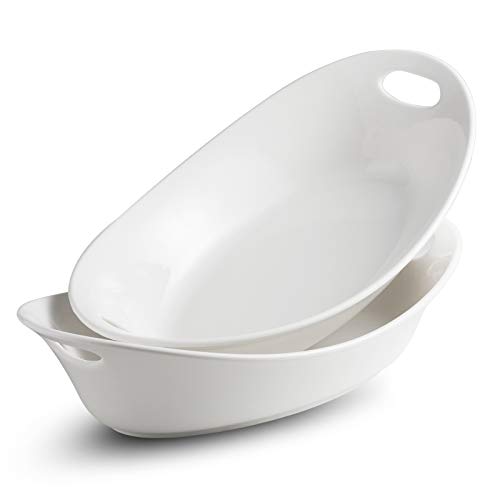
• Family-Style Bowl: Serve in a large bowl placed in the center of the table for communal sharing, enhancing the meal's convivial atmosphere.




Conclusion
Embark on a culinary journey with these easy-to-make, breadcrumb-free Italian meatballs.
Their rich flavors and tender texture are sure to impress even the most discerning palates.
Gather your ingredients, follow the steps, and enjoy a taste of Italy in your own home.