
Japan’s rich culture is not just about sushi, cherry blossoms, and serene temples. It’s also about the diverse and delicious world of Japanese alcohol drinks. With many unique flavors and styles, these beverages have gained popularity worldwide. If you’re curious about how to bring a taste of Japan into your home, you’ve come to the right place! This blog post is crafted for both seasoned enthusiasts and newcomers eager to explore Japanese beverages.
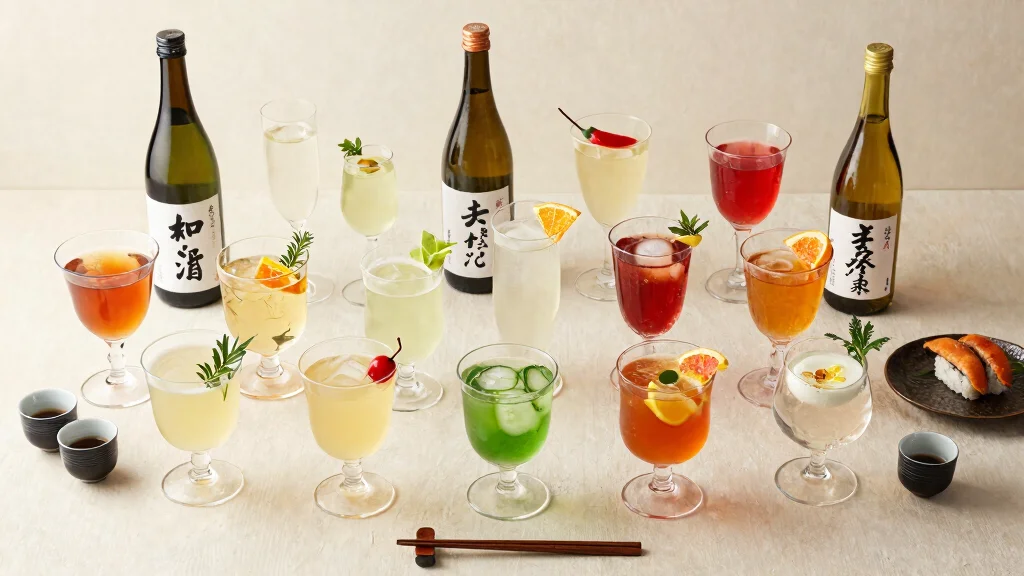
If you love trying new drinks or enjoy the finer aspects of culinary experiences, this guide is tailor-made for you. Whether you’re planning a cozy night in or a lively gathering with friends, the drinks we’re about to discuss will not disappoint. I’ve pulled together 15 popular Japanese alcohol drinks that range from traditional sake to trendy chuhai cocktails. Each drink has its own unique taste and story, making your selection an exciting adventure.
Prepare to discover the delightful nuances of Japanese alcohol drinks. You’ll find practical tips on how to serve each beverage, its best food pairings, and even some fun facts along the way. By the end of this post, you’ll not only be ready to impress your friends with your newfound knowledge, but you’ll also be set to enjoy some of the best Japan has to offer right in the comfort of your home.
Key Takeaways
– Japanese alcohol drinks encompass a variety of options, including sake, shochu, umeshu, Japanese whiskey, and chuhai, each offering distinct flavors and experiences.
– Sake is often referred to as Japan’s national drink. It comes in various styles, including junmai, nigori, and ginjo, each with its own unique characteristics.
– Shochu is a versatile distilled spirit that can be made from different ingredients such as barley, sweet potatoes, and rice, providing a wide range of flavor profiles.
– Umeshu, a sweet and fruity plum wine, is perfect for those who prefer a lighter and more refreshing beverage.
– Japanese whiskey has gained international acclaim for its smoothness and complexity, making it a must-try for whiskey lovers.



1. Sake: The Essence of Japan

Craving a taste of Japan? Sake offers a delightful journey through flavors that can range from sweet to dry. This iconic drink, made from fermented rice, is not just a beverage; it’s an experience that embodies Japanese culture. Whether you’re celebrating a special occasion or enjoying a quiet evening, sake adds a touch of tradition to your home. Serve it warm in a ceramic cup or chilled for a refreshing delight that suits any mood.
Ingredients: – 1 bottle of sake (junmai or ginjo) – Optional garnishes (like sliced citrus or herbs)
Instructions: 1. Chill or heat the sake according to your preference. 2. Pour into ceramic cups or glasses. 3. Garnish with citrus slices or herbs if desired. 4. Enjoy the flavors and aromas with each sip.
FAQs: – Can sake be served warm? Yes, warming enhances its flavors, but it’s also delightful cold.
– What’s the best way to store sake? Keep it in a cool, dark place and drink it within a few days after opening.
Trying japanese alcohol drinks at home feels like a tiny celebration of craft. Sake lets you taste Japan with every sip, whether warmed in a ceramic cup or chilled for a bright, refreshing finish.
🍶 11000 Ultimate Recipes Cookbook
Discover thousands of delicious recipes to enhance your culinary skills and enjoy Japanese drinks with perfect pairings.




2. Shochu: A Distilled Delight

Looking for something with a kick? Shochu is a distilled spirit that packs a punch with an alcohol content ranging from 25% to 45%. Made from ingredients like barley, sweet potatoes, or rice, its flavor varies, making every sip a new adventure. Enjoy it neat, on the rocks, or mixed into cocktails for a versatile drink that suits any occasion.
Ingredients: – 1 shot of shochu (sweet potato or barley) – Optional mixers (like soda or juice)
Instructions: 1. Pour the shochu into a glass. 2. Add ice for a chilled version or mix with soda/juice. 3. Stir gently and enjoy your drink.
FAQs: – Is shochu stronger than sake? Yes, shochu typically has a higher alcohol content than sake.
3. Umeshu: Sweet and Fruity

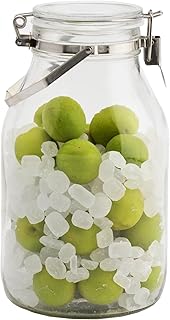
Craving something sweet and tangy? Umeshu, a delightful Japanese plum wine, is made by steeping ume fruits in alcohol and sugar. This refreshing drink is perfect for sipping on warm evenings or as a unique mixer in cocktails. Its sweet yet tangy flavor makes it a favorite among those who love fruity beverages.
Ingredients: – 1 glass of umeshu – Optional soda water or ice
Instructions: 1. Pour umeshu into a glass. 2. Add ice or top with soda water for a spritzer. 3. Stir gently and enjoy the fruity flavor.
FAQs: – How should I serve umeshu? It’s best served chilled or with a splash of soda.
Fun fact: Umeshu can be ready in as little as 2 weeks when you macerate ume with alcohol and sugar. Many home brews deepen flavor after 3–6 months, making this japanese alcohol drinks a versatile mixer or sipper.
Umeshu: Sweet and Fruity
Editor’s Choice





4. Japanese Whiskey: A World-Class Spirit

In the mood for something sophisticated? Japanese whiskey has earned its place in the global spotlight for its exceptional quality and craftsmanship. With a smoothness that varies from light and fruity to rich and smoky, it’s perfect for sipping straight or mixing into a classic highball. Each bottle tells a story of tradition and precision, making every taste a special experience.
Ingredients: – 1 glass of Japanese whiskey (Yamazaki or Nikka) – Optional splash of water or ice
Instructions: 1. Pour whiskey into a glass. 2. Add a splash of water or ice if desired. 3. Sip slowly and enjoy the complex flavors.
FAQs: – What makes Japanese whiskey unique? It’s often lighter and more delicate compared to Scotch.
Japanese Whiskey: A World-Class Spirit
Editor’s Choice


5. Chuhai: A Refreshing Cocktail
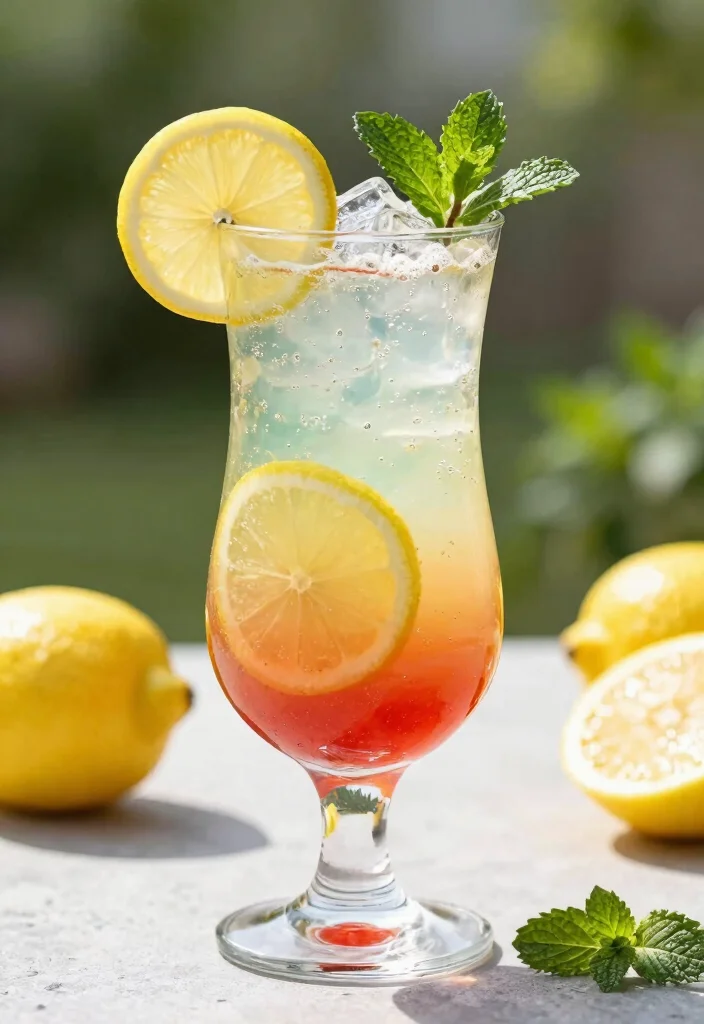
Craving a refreshing cocktail? Chuhai combines shochu with sparkling water and various fruit flavors like lemon or grapefruit. This invigorating drink is a staple in Japanese pubs, making it perfect for warm days or casual gatherings. You can easily create this at home and customize it to match your taste preferences.
Ingredients: – 1 shot of shochu – 1 cup of sparkling water – Fresh fruit juice (like lemon or grapefruit)
Instructions: 1. In a glass, combine shochu and sparkling water. 2. Add fresh fruit juice to taste. 3. Stir gently and enjoy on ice.
FAQs: – What fruits can I use for chuhai? Citrus fruits are popular, but most fruits work well.
📹 Related Video: Neat! Chuhai
6. Yuzu Sake: Citrus Bliss

Looking for a refreshing twist? Yuzu sake combines traditional sake with the zesty flavor of yuzu, a citrus fruit that adds a unique brightness. This invigorating drink is perfect for warm evenings, whether enjoyed on its own or in cocktails. The tangy notes paired with the smoothness of sake create a delightful experience.
Ingredients: – 1 bottle of yuzu sake – Optional garnishes (like citrus slices)
Instructions: 1. Chill the yuzu sake before serving. 2. Pour into glasses, garnishing with citrus slices if desired. 3. Sip and enjoy the refreshing flavors.
FAQs: – Is yuzu sake sweet? It is often slightly sweet with a tangy finish.





7. Nigori Sake: Cloudy Delight

In the mood for something unique? Nigori sake, known as ‘cloudy sake,’ offers a rich and creamy texture that stands out from its clearer counterparts. Its unfiltered nature gives it a sweet taste, making it an excellent dessert drink or a complement to spicy dishes. Each sip is a delightful surprise!
Ingredients: – 1 bottle of nigori sake – Optional garnishes (like fruit)
Instructions: 1. Chill the nigori sake before serving. 2. Pour into glasses, adding garnishes if desired. 3. Enjoy the creamy texture and flavors.
FAQs: – How should nigori sake be served? It’s best enjoyed cold to showcase its creamy texture.




How To Choose Japanese Alcohol Drinks
Choosing the right Japanese alcohol drinks can be an enjoyable yet overwhelming experience. With various options like sake, shochu, umeshu, and Japanese whiskey, it’s essential to know what fits your palate and occasion. Here are some criteria to help you make informed choices.
1. Flavor Profile
When selecting a Japanese alcohol drink, consider the flavor profile you prefer. Sake can range from sweet to dry, while umeshu is typically sweet and fruity. Shochu is often stronger and can have earthy or herbal notes, depending on the base ingredient. Japanese whiskey can offer a range of flavors from smoky to fruity, which can vary widely among brands. Take a moment to think about what you enjoy most!
2. Alcohol Content
Different drinks have varying alcohol contents that can affect your experience. Sake usually has an alcohol content of around 15-20%, while shochu can go up to 25-45%. Umeshu is typically lower at about 10-15%. Japanese whiskey generally falls between 40-50%. If you prefer lighter drinks, go for umeshu or sake; for a stronger experience, consider shochu or whiskey.
3. Occasion
The occasion plays a big role in your choice. For a casual gathering, chuhai (a shochu-based cocktail) or umeshu cocktails are refreshing and appealing. If you’re celebrating a special event, a premium sake or Japanese whiskey may create a more sophisticated atmosphere. Tailor your drink choice to the vibe you want to set for your gathering.
4. Food Pairing
Japanese alcohol drinks can beautifully complement food. Sake pairs well with sushi and sashimi, enhancing the delicate flavors. Shochu offers versatility, matching with grilled meats or rich dishes. Umeshu can be delightful with desserts or fruit platters. Consider your meal when selecting a drink to enhance the overall dining experience.
5. Brand and Quality
Look into the brand and quality of the drink. Not all Japanese alcohol drinks are created equal. Some brands focus on traditional methods and high-quality ingredients, resulting in superior taste. Researching reviews or recommendations can guide you towards reputable brands. Don’t hesitate to explore craft options or local distilleries for unique flavors.
6. Personal Preference
Ultimately, your personal preference should guide your choice. If you love trying new things, sample different types of sake or shochu to discover your favorites. If you have a go-to drink, explore variations of that. Don’t be afraid to ask for recommendations at your local store or bar, as knowledgeable staff can lead you to options you might love.
Pro Tip: Always start small with new drinks. Consider buying a smaller bottle or attending tastings to explore different flavors without committing to a larger purchase. This way, you can find what truly excites your palate before investing in full-sized bottles. Cheers to discovering the unique world of Japanese alcohol drinks right at home!



8. Awamori: Okinawa’s Spirit

Craving something different? Awamori is a unique shochu from Okinawa, made primarily from long-grain rice and aged in clay pots. This drink offers a rich, earthy flavor that’s perfect for sipping, often enjoyed with meals. Its stronger alcohol content makes it a standout choice for those seeking a bold experience.
Ingredients: – 1 shot of awamori – Optional mixers (like soda)
Instructions: 1. Pour the awamori into a glass. 2. Serve neat or with a splash of soda. 3. Sip slowly and appreciate the flavors.
FAQs: – Is awamori similar to sake? It’s different, as it’s distilled and has a stronger flavor.
Awamori: Okinawa’s Spirit
Editor’s Choice



9. Kizakura: A Unique Brew

Looking to explore new flavors? Kizakura is a distinctive sake infused with local ingredients, creating unique profiles that capture the essence of the region. Each bottle offers a different tasting experience, making it perfect for adventurous palates. This quirky drink is sure to be a conversation starter at any gathering.
Ingredients: – 1 bottle of Kizakura sake – Optional garnishes (like herbs)
Instructions: 1. Chill the Kizakura before serving. 2. Pour into glasses, adding garnishes if desired. 3. Sip and enjoy the unique flavors.
FAQs: – Where can I find Kizakura? Check specialty liquor stores or online for unique offerings.
10. Hakkaisan: Premium Sake
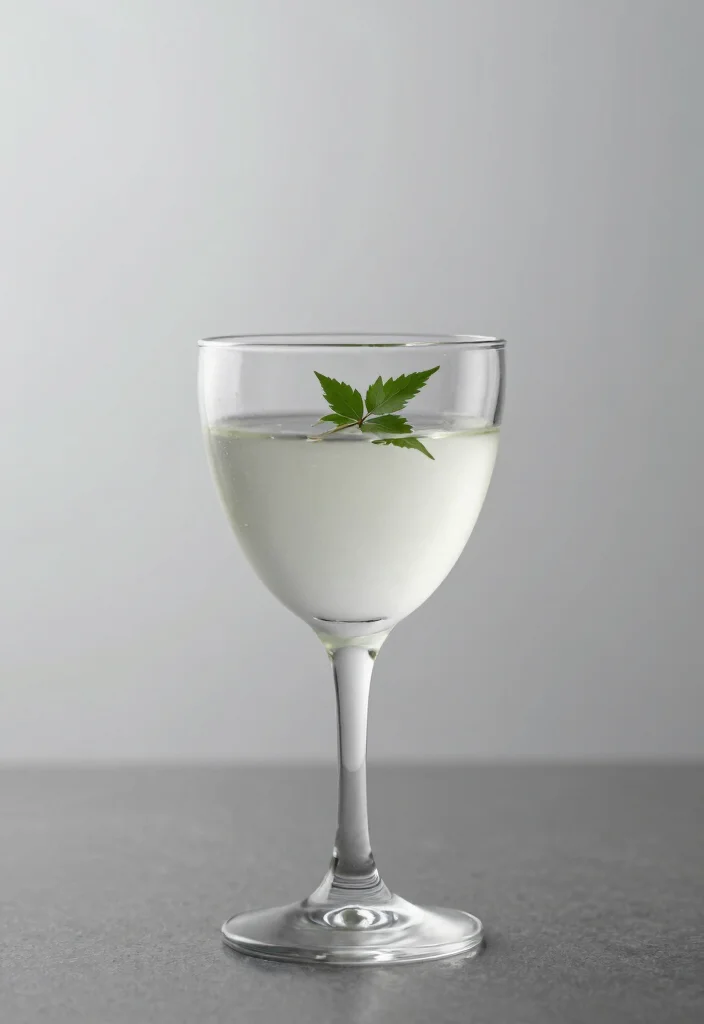
Craving something refined? Hakkaisan is a premium sake known for its clean and crisp taste, made from the finest rice and pure mountain water. It pairs beautifully with various foods, enhancing your dining experience with its smooth finish. This sake is perfect for those who appreciate quality and craftsmanship.
Ingredients: – 1 bottle of Hakkaisan sake – Optional garnishes (like herbs)
Instructions: 1. Chill the Hakkaisan before serving. 2. Pour into small glasses. 3. Enjoy with food or on its own.
FAQs: – What makes Hakkaisan special? Its pure taste and high-quality ingredients represent the art of sake-making.
11. Ginjo Sake: Fruity & Floral
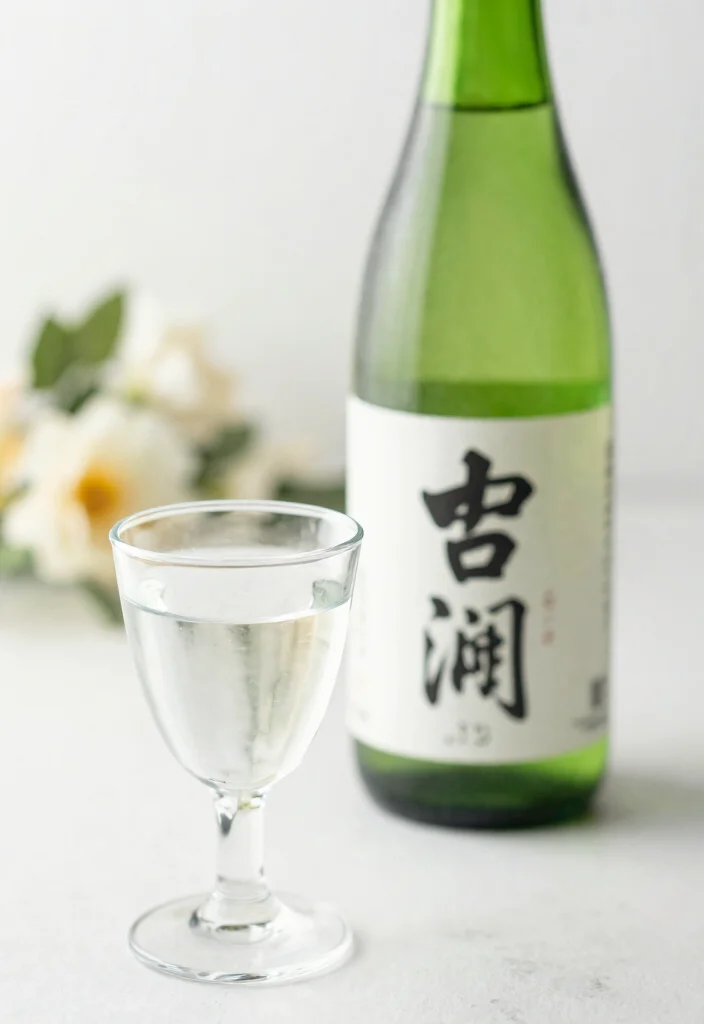
In the mood for something aromatic? Ginjo sake is a premium variety brewed with rice polished to at least 60%, resulting in a lighter, more fragrant flavor. With fruity and floral notes, it’s perfect for casual sipping or special occasions, elevating any meal with its refined taste.
Ingredients: – 1 bottle of ginjo sake – Optional garnishes (like citrus)
Instructions: 1. Chill the ginjo sake before serving. 2. Pour into small glasses to enjoy the aroma. 3. Sip and savor the delicate flavors.
FAQs: – How is ginjo sake different from regular sake? It’s brewed with more polished rice, leading to a purer taste.
12. Tokubetsu Junmai: Special Brew

Looking for something with depth? Tokubetsu junmai is a special pure rice sake that’s fuller in taste and rich in character, often enjoyed warm to enhance its flavors. This choice is ideal for those who appreciate complexity in their drinks, promising a memorable experience.
Ingredients: – 1 bottle of tokubetsu junmai sake – Optional garnishes (like spices)
Instructions: 1. Warm the tokubetsu junmai sake in a pot. 2. Pour into ceramic cups. 3. Enjoy slowly, appreciating the rich flavors.
FAQs: – Can tokubetsu junmai be served cold? Yes, but the flavors are best appreciated warm.
13. Koshu: Ancient Sake
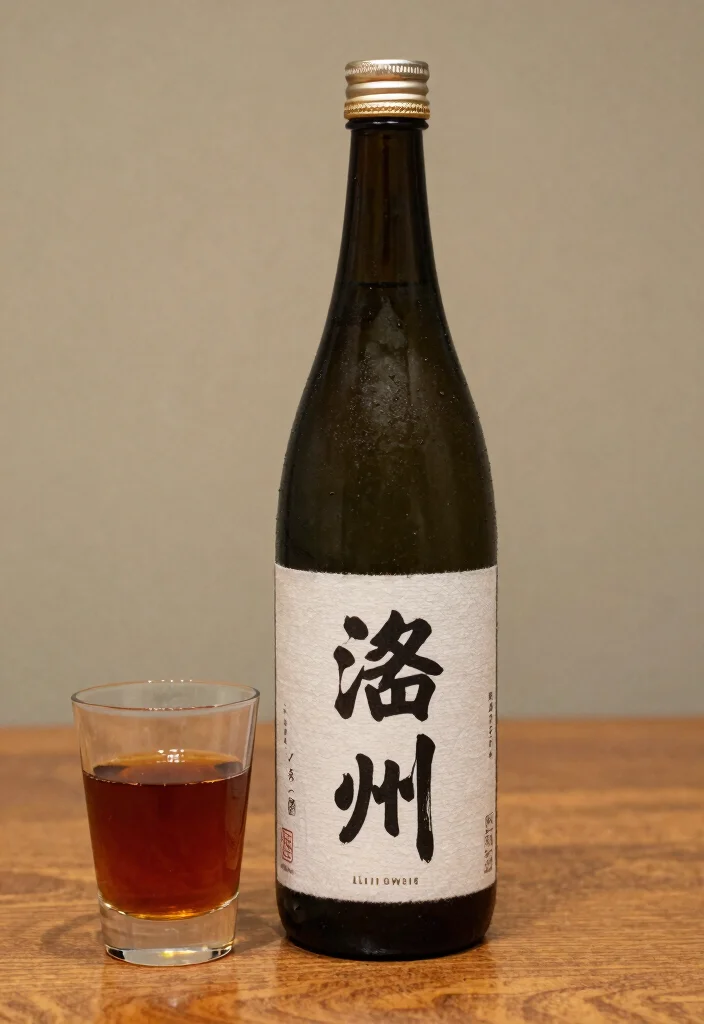
Craving something exceptional? Koshu, or aged sake, offers a unique flavor profile that deepens over time, resulting in notes of honey, caramel, and nuts. This intriguing drink is perfect for special occasions, impressing guests with its rich complexity.
Ingredients: – 1 bottle of koshu sake – Optional garnishes (like nuts)
Instructions: 1. Serve koshu at room temperature. 2. Pour into glasses, adding garnishes if desired. 3. Sip and savor the complex flavors.
FAQs: – How long should I age sake? Koshu is typically aged for at least three years to develop its flavors.
Koshu: Ancient Sake
Editor’s Choice
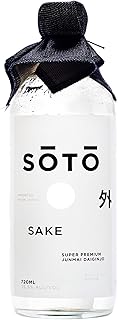


14. Junmai Ginjo: Pure and Polished

In search of purity? Junmai ginjo is a special sake that combines junmai’s purity with ginjo’s refinement. With a rice polishing ratio of at least 60%, it’s smooth and sophisticated, making it ideal for casual enjoyment or celebrations.
Ingredients: – 1 bottle of junmai ginjo sake – Optional garnishes (like herbs)
Instructions: 1. Chill junmai ginjo before serving. 2. Pour into small glasses. 3. Enjoy with light appetizers for an enhanced experience.
FAQs: – Is junmai ginjo sweeter than other sakes? It can be slightly sweeter, but it varies by brand.
Junmai Ginjo: Pure and Polished
Editor’s Choice





15. Shiro: A Traditional Rice Wine
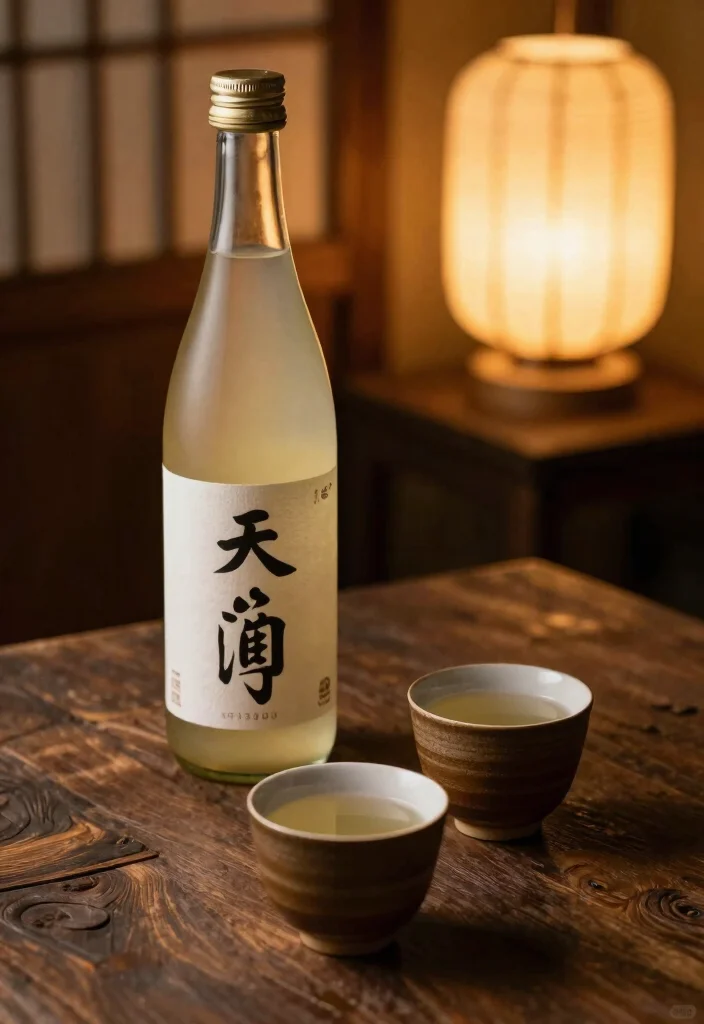
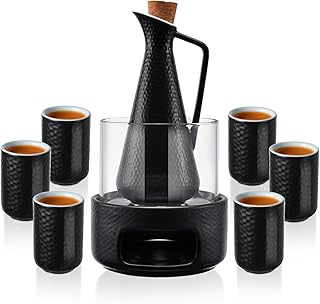
Want to explore something new? Shiro is a lesser-known traditional Japanese rice wine made from fermented rice, offering a slightly sweet and cozy taste. Often served warm, it’s perfect for gatherings, providing a comforting experience that connects you to Japan’s brewing history.
Ingredients: – 1 bottle of shiro sake – Optional garnishes (like spices)
Instructions: 1. Warm the shiro sake in a pot. 2. Pour into traditional cups. 3. Enjoy with hearty meals for a comforting pairing.
FAQs: – Where can I find shiro? Look for it in specialty liquor stores or Japanese markets.
Shiro isn’t just a drink—it’s a cozy ritual. Warm it gently, pour into traditional cups, and enjoy this Japanese alcohol drinks experience with friends at home, savoring the subtle sweetness.


Conclusion
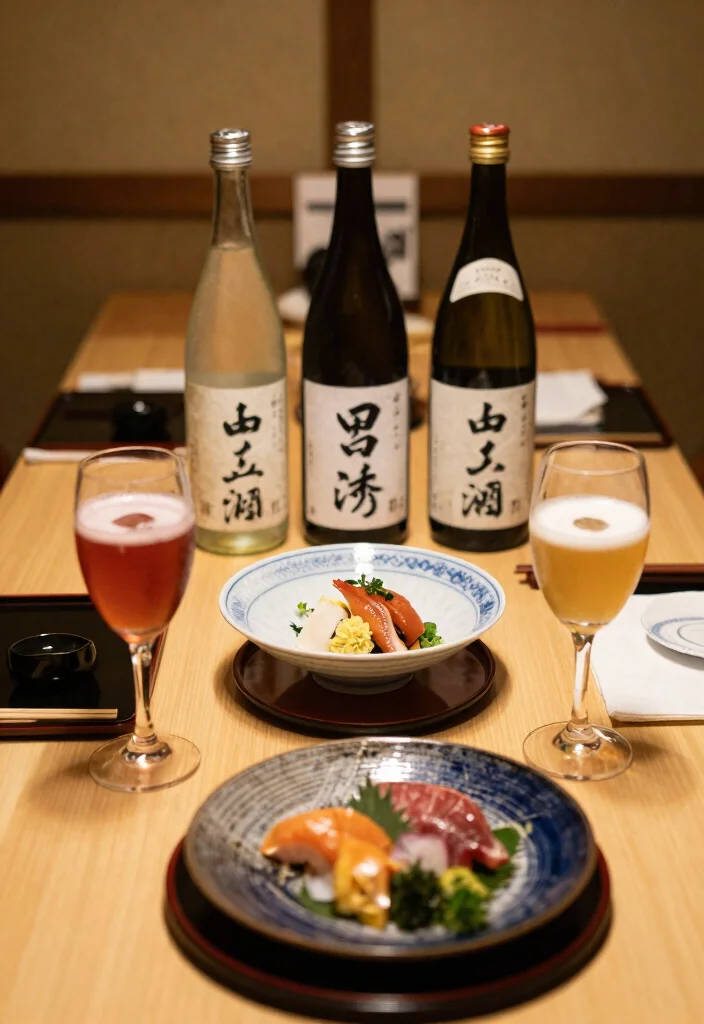
Exploring these Japanese alcohol drinks offers a delightful journey through flavors, traditions, and unique experiences. From the smooth richness of sake to the refreshing zing of chuhai, each drink provides a window into Japan’s culture.
So whether you’re planning an exotic dinner, a cozy night in, or a special occasion, consider these options to elevate your experience at home. Cheers to your next adventure in Japanese spirits!
Note: We aim to provide accurate product links, but some may occasionally expire or become unavailable. If this happens, please search directly on Amazon for the product or a suitable alternative.
This post contains Amazon affiliate links, meaning we may earn a small commission if you purchase through our links, at no extra cost to you.
Frequently Asked Questions
What are the must-try japanese alcohol drinks for a home tasting?
If you’re exploring japanese alcohol drinks, here’s a friendly starter pack for at-home tastings: try sake (a dry Junmai or Ginjo), a smooth Japanese whiskey, a sweet umeshu, a versatile shochu (imo, mugi, or kome), and a refreshing chuhai. For serving: sake is best chilled for ginjo or warm for some styles; shochu can be enjoyed on the rocks or with water; umeshu neat or on ice; whiskey neat or with a splash of water; chuhai is perfect over ice with a splash of soda.
Practical pairings: sushi with sake, grilled meats with shochu or whiskey, salty snacks with umeshu, citrusy chuhai with light fried foods. Quick at-home setup: keep a small selection of sake, shochu, umeshu, Japanese whiskey, and chuhai options. Pro tips: check the dryness level and serving temperature on the label; store sake away from heat and light; refrigerate after opening to keep flavors vibrant. Enjoy responsibly.
How do I choose between sake, shochu, and umeshu for different occasions?
Different occasions call for different flavors. For a light, seafood-friendly meal, start with sake—dry styles with sushi or sashimi pair beautifully. For heartier dishes or mixed plates, shochu (especially imo or mugi types) offers a bolder, more versatile pairing and can be served on the rocks, with water, or in highballs. Umeshu shines as an aperitif or dessert drink with its sweet, fruity character. Want something celebratory? A splash of Japanese whiskey can elevate a special occasion. Temperature matters: serve sake chilled for delicate flavors, warm for richer kokutabi varieties, and chill or serve room temp depending on the style.
Tip: match dryness or sweetness to your menu and guest preferences, and keep a small tasting guide handy to compare notes across japanese alcohol drinks.
What are easy at-home chuhai and other cocktails I can make with Japanese spirits?
Chuhai is a crowd-pleaser you can whip up fast at home. Base it with shochu or sake, mix 3 parts citrus juice (lemon, grapefruit, or yuzu) to 2 parts the base, and top with 2–3 parts soda over ice. Variations: lemon-chuhai, grapefruit-chuhai, or yuzu-chuhai. For a simple whiskey-based option, try a Japanese whiskey highball: 2 oz whiskey + 4 oz sparkling water with a lemon twist. Pro tips: adjust sweetness by adding a splash of simple syrup or fruit juice; rim the glass with salt or sugar for extra flair; always serve over ice and adjust to your taste. Enjoy experimenting with different citrus fruits and seasonal flavors to keep japanese alcohol drinks exciting.
How should I store and serve Japanese whiskey, sake, and shochu to keep them tasting best?
Storage can make or break flavor. Keep sake, shochu, and Japanese whiskey in a cool, dark place away from direct sunlight. Store bottles upright to protect the cork or seal.
Opened bottles: sake is best consumed within 1–2 weeks when refrigerated to preserve delicate aromas; shochu and Japanese whiskey tolerate longer storage and stay drinkable for much longer, especially if kept closed and away from temperature swings. When serving, invest in appropriate glassware: a sake carafe or small cup for sake, a rocks glass for shochu or whiskey, and a highball glass for chuhai or whiskey highballs. Temperature preferences: chill sake for lighter, fruity styles; serve whiskey and shochu at cooler room temperatures or slightly chilled for smoother profiles. Always taste and adjust as you go to enjoy the full range of flavors in your japanese alcohol drinks.
Are there lesser-known japanese alcohol drinks worth exploring beyond the basics?
Absolutely. If you want to expand beyond the usual lineup of sake, shochu, umeshu, and whiskey, try koshu (aged sake) for deeper umami and caramel notes, or imo shochu (sweet potato) for earthy sweetness. Another great option is awamori, a Okinawan spirit with a higher distillation strength and unique mineral character. You can also explore regional shochu varieties like kome (rice) and mugi (barley) for different flavor profiles. Pairing tip: aged koshu pairs well with nutty cheeses and grilled meats, while imo shochu shines with roasted vegetables or hearty dishes. Dive into these lesser-known japanese alcohol drinks to discover new flavors and experiences.
Related Topics