

Japanese street food has a special place in my heart, and it’s not just because of the mouthwatering flavors. The vibrant atmosphere of bustling stalls, the sizzling sounds of cooking, and the delightful aromas wafting through the air evoke joyful memories of past travels in Japan. I created this post to share my love for these dishes, especially focusing on vegetarian options that anyone can whip up at home. If you’re like me and crave those authentic street food experiences, you’re in for a treat.
This guide is for anyone looking to explore Japanese cuisine, especially vegetarians who want to enjoy the delicious variety without the meat. Whether you’re a novice cook or a seasoned pro, you’ll find recipes that are accessible, tasty, and fun to make. I pulled together 20 must-try recipes that are easy to prepare and perfect for impressing friends or simply satisfying those snack cravings at home.
Get ready to roll up your sleeves and dive into the world of homemade Japanese snacks. From crispy vegetable tempura to delightful mochi ice cream, these recipes will bring the flavors of Japan straight to your kitchen. So, let’s get cooking and create some unforgettable dishes together!
Key Takeaways
– Discover a variety of vegetarian Japanese street food recipes that are easy to make at home, perfect for satisfying cravings without meat.
– Learn about traditional Japanese dishes and how to adapt them to vegetarian preferences, offering a unique twist on classic flavors.
– Enjoy tasty snacks like vegetable tempura, mochi ice cream, and yakitori with tofu, all crafted with simple ingredients and techniques.
– Find practical tips and tricks for preparing these dishes, making your cooking experience enjoyable and stress-free.
– Experience the joy of bringing a piece of Japan into your home kitchen, allowing you to connect with the culture through its delicious food.




1. Vegetable Tempura

Craving a light and crispy snack that’s bursting with flavor? Vegetable tempura is a beloved Japanese street food that’s surprisingly easy to make at home. With its golden, crunchy batter enveloping fresh vegetables, this dish is not only delicious but also a wonderful way to enjoy seasonal produce.
The beauty of vegetable tempura lies in its adaptability; you can use any vegetables you like, such as carrots, zucchini, or sweet potatoes. The airy batter, made simply from cold water and flour, creates a satisfying crunch that’s perfect for dipping in soy sauce or tentsuyu. Whether served as an appetizer or a side dish, it’s a treat for the senses that everyone will love.
Ingredients:
– 1 cup all-purpose flour
– 1 cup cold water
– 1 assortment of vegetables (zucchini, sweet potato, green beans)
– Oil for frying
– Soy sauce or tentsuyu for dipping.
Instructions:
1. Prepare your vegetables by cutting them into bite-sized pieces.
2. In a bowl, mix the flour and cold water gently until just combined; do not overmix.
3. Heat oil in a pot or deep fryer to 350°F (180°C).
4. Dip each vegetable piece into the batter, allowing excess to drip off, then carefully place them in the hot oil.
5. Fry until golden brown, about 2-3 minutes.
6. Remove and drain on paper towels, and serve immediately with dipping sauce.
FAQs:
– Can I use frozen vegetables? Yes, but fresh is recommended for the best texture.


2. Yakitori with Tofu

Yearning for a smoky, grilled delight that’s both hearty and satisfying? Yakitori, typically a chicken skewer, gets a vegetarian twist with tofu. This dish brings the essence of Japanese street food right to your grill, making it a fantastic choice for meat lovers and vegetarians alike.
The secret to mouthwatering yakitori lies in its marinade, a blend of soy sauce, sake, mirin, and a hint of sugar. This creates a savory-sweet glaze that enhances the grilled tofu and any veggies you choose to add, like bell peppers or mushrooms. It’s not just a meal; it’s an experience that’s fun to share with friends.
Ingredients:
– 1 block firm tofu, pressed and cut into cubes
– 1 bell pepper, cut into squares
– 1 cup mushrooms, halved
– 1/4 cup soy sauce
– 2 tablespoons sake
– 2 tablespoons mirin
– 1 tablespoon sugar.
Instructions:
1. In a bowl, combine soy sauce, sake, mirin, and sugar to create the marinade.
2. Add the tofu cubes to the marinade and let them soak for at least 15 minutes.
3. Preheat your grill or grill pan over medium-high heat.
4. Skewer the tofu and your choice of vegetables onto bamboo skewers.
5. Grill each skewer for about 3-4 minutes on each side, brushing with extra marinade.
6. Serve hot with a sprinkle of sesame seeds on top.
FAQs:
– Can I use store-bought tofu? Absolutely, use your favorite type.




3. Onigiri (Rice Balls)
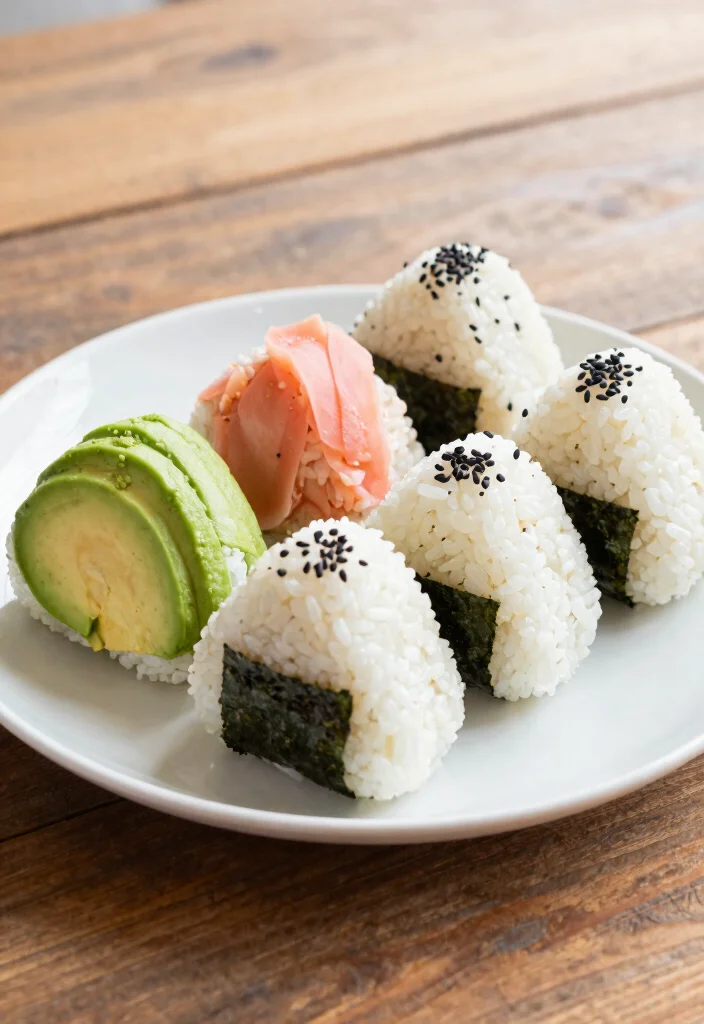
Looking for a portable snack that’s both tasty and easy to make? Onigiri, or Japanese rice balls, are a delightful choice. Traditionally wrapped in nori (seaweed) and filled with various ingredients, these rice balls are versatile and perfect for any occasion.
The charm of onigiri lies in their adaptability. You can fill them with anything from pickled vegetables to creamy avocado, making them a great option for those who enjoy a bit of creativity in the kitchen. Shaped into triangles or balls, they’re not only visually appealing but also satisfying to eat.
Ingredients:
– 2 cups cooked sushi rice
– 1/4 cup pickled vegetables or umeboshi
– Nori sheets, cut into strips
– Sesame seeds (optional)
– Salt, to taste.
Instructions:
1. Cook sushi rice according to package instructions and let it cool slightly.
2. Wet your hands and sprinkle a little salt on them to prevent sticking.
3. Take a handful of rice and flatten it in your palm, placing a small amount of your chosen filling in the center.
4. Mold the rice around the filling to form a triangle or ball shape.
5. Wrap a strip of nori around the onigiri, securing it with a little water if needed.
6. Sprinkle with sesame seeds if desired and serve.
FAQs:
– How long can onigiri be stored? Ideally, consume them within a day for the best taste.
Onigiri (Rice Balls)
Editor’s Choice




🍣 11,000 Ultimate Recipes Awaits!
Unlock a treasure trove of mouthwatering recipes, including vegetarian delights inspired by Japanese street food to satisfy your cravings.





4. Takoyaki without Octopus

Want to enjoy a fun, bite-sized snack that’s packed with flavor? Takoyaki is a popular Japanese street food usually filled with octopus, but this vegetarian version swaps in a delightful mix of veggies and tofu. It’s a delicious way to savor the essence of this iconic dish without the seafood.
The cooking method is what makes takoyaki truly unique. The batter transforms into crispy balls in a special takoyaki pan, creating a delightful crunch on the outside and a soft, savory interior. Topped with takoyaki sauce and bonito flakes, this dish is perfect for sharing at gatherings.
Ingredients:
– 1 cup all-purpose flour
– 2 cups dashi broth (or vegetable broth)
– 1/2 cup diced vegetables (green onion, bell pepper)
– 1/2 cup diced tofu
– Oil for the pan
– Takoyaki sauce and mayonnaise for serving.
Instructions:
1. In a bowl, combine flour and dashi broth, whisking until smooth.
2. Heat the takoyaki pan on medium heat and lightly oil the molds.
3. Pour batter into each mold until just full, then add diced vegetables and tofu.
4. Cook until the bottom is golden brown, then use a skewer to turn them over, cooking until all sides are crispy.
5. Serve hot, drizzled with takoyaki sauce and mayonnaise.
FAQs:
– Do I need a special pan? Takoyaki pans are preferable, but you can also use a mini muffin tray.
📹 Related Video: How to Make Takoyaki: Japanese Octopus Balls (no octopus version)



5. Japanese Sweet Potato Fries

Craving a sweet and savory snack that’s a bit different? Japanese sweet potato fries are a unique twist on classic fries, offering a deliciously sweet flavor and vibrant purple color. Made from ‘murasaki imo,’ these fries are not just tasty but also packed with nutrients.
They’re incredibly simple to whip up at home, requiring just a few ingredients. The natural sweetness shines through when baked or fried, and you can add your favorite spices for a personalized touch. Pair them with a miso mayo for a delightful dipping experience.
Ingredients:
– 2 medium Japanese sweet potatoes
– 2 tablespoons olive oil
– Salt, to taste
– Optional spices (paprika, garlic powder).
Instructions:
1. Preheat your oven to 425°F (220°C).
2. Peel and cut the sweet potatoes into fry shapes.
3. Toss the fries with olive oil and season with salt and any optional spices.
4. Spread them out on a baking sheet in a single layer.
5. Bake for about 20 minutes, flipping halfway through, until crispy.
6. Serve hot with your favorite dipping sauce.
FAQs:
– Can I use regular sweet potatoes? Yes, any sweet potato variety will work.
Japanese Sweet Potato Fries
Editor’s Choice





6. Katsu Curry Rice
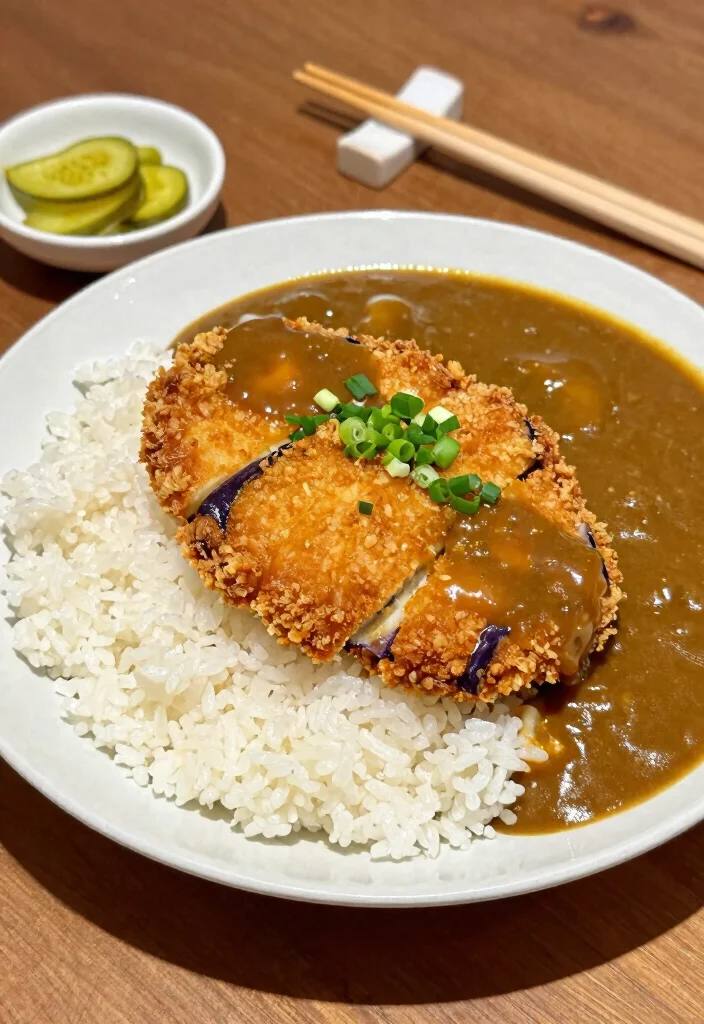
In search of a hearty meal that’s comforting and delicious? Katsu curry rice combines crispy breaded cutlets with rich Japanese curry, creating a dish that warms the soul. In this vegetarian version, we’ll use eggplant or tofu for a mouthwatering alternative that doesn’t sacrifice flavor.
The combination of the flavorful curry sauce, made from a blend of spices and vegetables, perfectly complements the crispy katsu. Served over fluffy rice, this dish is a complete meal that embodies the spirit of cozy home cooking, perfect for a comforting dinner.
Ingredients:
– 2 cups cooked rice
– 1 eggplant (or tofu), sliced
– 1 cup panko breadcrumbs
– 1/4 cup flour
– 1/4 cup curry paste
– 2 cups vegetable broth
– Oil for frying.
Instructions:
1. Prepare the rice according to package instructions.
2. Dredge the sliced eggplant in flour, dip in water, and coat with panko breadcrumbs.
3. Heat oil in a pan and fry the eggplant until golden brown, about 2-3 minutes per side.
4. In another pot, heat vegetable broth and stir in curry paste, cooking until thickened.
5. Serve the rice topped with curry sauce and the crispy katsu on the side.
FAQs:
– Can I make this ahead? Yes, the katsu can be made and reheated in the oven.
Katsu Curry Rice
Editor’s Choice






7. Shioyaki Corn

Craving a sweet and smoky snack? Shioyaki corn is a simple yet delicious grilled corn dish that highlights the natural sweetness of fresh corn. Popular at summer festivals in Japan, this dish is easy to replicate at home and perfect for barbecues or casual dinners.
The magic of shioyaki corn lies in its simplicity; grilling caramelizes the kernels, enhancing their sweetness and adding a delightful char. For an extra flavor boost, add a pat of butter and a sprinkle of shichimi togarashi, taking this dish to the next level.
Ingredients:
– 4 ears of fresh corn
– Sea salt, to taste
– Optional butter and shichimi togarashi for garnish.
Instructions:
1. Preheat your grill to medium-high heat.
2. Husk the corn and remove the silk.
3. Place the corn directly on the grill and cook for about 10 minutes, turning occasionally.
4. Once nicely charred and tender, remove from the grill and sprinkle with sea salt.
5. For extra flavor, add a pat of butter and a dash of shichimi togarashi before serving.
FAQs:
– Can I microwave the corn instead? For a quick option, yes, but the grilled flavor is unmatched.
Fun fact: Grilling shioyaki corn caramelizes the kernels and boosts sweetness by up to 40%, turning simple street food into a festival favorite. When you add butter and a pinch of shichimi togarashi, you get a smoky, japanese street food vibe at home.






How To Choose the Right Ingredients for Japanese Street Food
When you’re ready to create your own delicious Japanese street food at home, choosing the right ingredients is key. Each dish has specific components that bring authentic flavors and textures. Here’s how to pick the best ingredients for your culinary adventures.
1. Freshness Matters
Always opt for fresh ingredients. Fresh vegetables, seafood, and meats will elevate your dishes. When in doubt, visit local farmers’ markets or trusted grocery stores. Check for vibrant colors and firm textures. This holds especially true for vegetables used in tempura or sushi.
2. Quality of Proteins
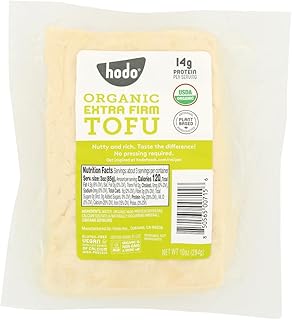
For dishes like yakitori or tofu katsu, the type of protein you choose is crucial. Select high-quality tofu for vegetarian options. Look for firm or extra-firm varieties for grilling or frying. For non-vegetarian options, choose fresh chicken or fish that has a clean smell. Avoid frozen products if possible, as they can lose flavor and texture.
3. Authentic Condiments and Seasonings
Flavor your dishes with authentic Japanese condiments. Soy sauce, miso paste, and rice vinegar are staples. Don’t forget sesame oil and wasabi for that extra kick! Using traditional ingredients helps replicate the authentic taste of popular street food in Japan. Look for these items in Asian grocery stores for the best selection.
4. Specialty Ingredients for Unique Dishes
Some recipes call for specialty ingredients. For instance, if you’re making takoyaki without octopus, you may want to use ingredients like cheese or vegetables. For daifuku, glutinous rice flour is essential for making that soft, chewy texture. Research what unique ingredients you need for each recipe to ensure authenticity.
5. Seasonal Vegetables
Using seasonal vegetables not only enhances flavor but also supports sustainability. For example, in summer, use fresh corn for shioyaki corn or radishes for pickles. In the fall, sweet potatoes shine in dishes like yaki imo. Always check what’s currently in season to make the best choices for your recipes.
6. Nutritional Considerations
If you’re cooking for vegetarians or those with dietary restrictions, always check nutritional needs. Opt for whole grains, like soba noodles, and incorporate a variety of vegetables. This ensures a balanced meal that everyone can enjoy. Pay attention to allergies, especially with common ingredients like soy and gluten.
Pro Tip: When shopping, take the time to read labels and ask questions. Familiarize yourself with Japanese ingredients, as this knowledge will make choosing the right components easier. Remember that quality ingredients lead to delicious homemade Japanese snacks!
8. Mochi Ice Cream

Looking for a unique dessert that’s fun and delicious? Mochi ice cream combines the chewy texture of sweet glutinous rice dough with creamy ice cream, creating a delightful treat that’s perfect for satisfying your sweet cravings. This dessert has gained popularity and is especially refreshing during summer.
Making mochi ice cream at home is easier than you think. Choose your favorite ice cream flavors, from classic vanilla to adventurous matcha, and prepare the mochi dough quickly for a visually stunning and satisfying dessert that everyone will enjoy.
Ingredients:
– 1 cup sweet rice flour (mochi flour)
– 1/4 cup sugar
– 1 cup water
– Cornstarch for dusting
– 1 pint of your favorite ice cream flavor.
Instructions:
1. In a microwave-safe bowl, combine sweet rice flour, sugar, and water.
2. Microwave for about 1 minute, stir, then microwave for an additional 1-2 minutes until the mixture is thickened.
3. Dust a clean surface with cornstarch; place the mochi dough on it and let it cool slightly.
4. Cut pieces of mochi dough, flatten them, and wrap them around small scoops of ice cream.
5. Return to the freezer for 30 minutes to firm up before serving.
FAQs:
– How long will mochi ice cream last? Keep it in the freezer, and it should last about a week.





9. Agedashi Tofu

Craving a comforting appetizer that’s light yet satisfying? Agedashi tofu is a classic Japanese dish that features deep-fried tofu served in a savory dashi broth. It’s perfect for tofu lovers and provides a delicious contrast between the crispy exterior and the soft interior, making it a delightful addition to any meal.
With just a few steps, you can make agedashi tofu at home. The dashi broth, made from soy sauce and mirin, enhances the tofu’s flavor beautifully. Garnishing with green onions and daikon radish adds freshness and elevates the dish further.
Ingredients:
– 1 block firm tofu
– 1/4 cup potato starch
– 1/4 cup dashi broth
– 2 tablespoons soy sauce
– 2 tablespoons mirin
– Green onions and daikon radish for garnish.
Instructions:
1. Cut the tofu into cubes and press to remove excess moisture.
2. Dredge each tofu piece in potato starch.
3. Heat oil in a pan and fry the tofu until golden brown.
4. In a saucepan, mix dashi broth, soy sauce, and mirin; heat until warm.
5. Serve the tofu in a bowl, pouring the broth over it and garnishing with green onions and daikon.
FAQs:
– Can I bake the tofu instead? Baking is an option, but it won’t have the same crispy texture.
10. Daifuku (Stuffed Mochi)

In search of a delightful dessert that’s both chewy and sweet? Daifuku is a traditional Japanese treat made of soft mochi filled with sweet fillings, often red bean paste or fresh fruits. This fun dessert is not only satisfying but also a joy to eat, making it perfect for snacks or after meals.
Making daifuku at home allows you to get creative with the fillings, making it a personalized dessert option. The chewy texture of the mochi surrounding the sweet filling creates a delightful treat that appeals to everyone’s taste buds.
Ingredients:
– 1 cup sweet rice flour
– 1/4 cup sugar
– 1 cup water
– 1 cup red bean paste or fruit filling
– Cornstarch for dusting.
Instructions:
1. In a microwave-safe bowl, mix sweet rice flour, sugar, and water until smooth.
2. Microwave for 1 minute, stir, then microwave for an additional minute or until thickened.
3. Dust a clean surface with cornstarch and transfer the mochi dough onto it.
4. Divide the dough into small portions, flatten, and wrap around the filling, sealing well.
5. Dust with more cornstarch and serve fresh.
FAQs:
– Can I freeze daifuku? Yes, they freeze well if kept airtight.
11. Yaki Imo (Grilled Sweet Potato)

Looking for a comforting snack that’s both sweet and healthy? Yaki Imo, or grilled sweet potato, is a traditional Japanese treat known for its sweet, smoky flavor. This simple yet satisfying dish is perfect for chilly evenings and is easily made by wrapping sweet potatoes in foil and grilling them until tender.
The natural sugars in the sweet potatoes caramelize during grilling, resulting in a fluffy texture that’s hard to resist. Not only is this snack delicious, but it’s also packed with fiber and nutrients, making it a guilt-free indulgence.
Ingredients:
– 4 medium Japanese sweet potatoes
– Aluminum foil for wrapping.
Instructions:
1. Preheat your grill or oven to 375°F (190°C).
2. Wash and dry the sweet potatoes, leaving the skin on.
3. Wrap each sweet potato tightly in aluminum foil.
4. Place on the grill or in the oven, baking for about 45 minutes or until tender.
5. Unwrap and enjoy hot, optionally with a sprinkle of salt.
FAQs:
– Can I make this in the microwave? Yes, but the texture will differ from grilling.
Yaki Imo (Grilled Sweet Potato)
Editor’s Choice


12. Chawanmushi (Savory Egg Custard)
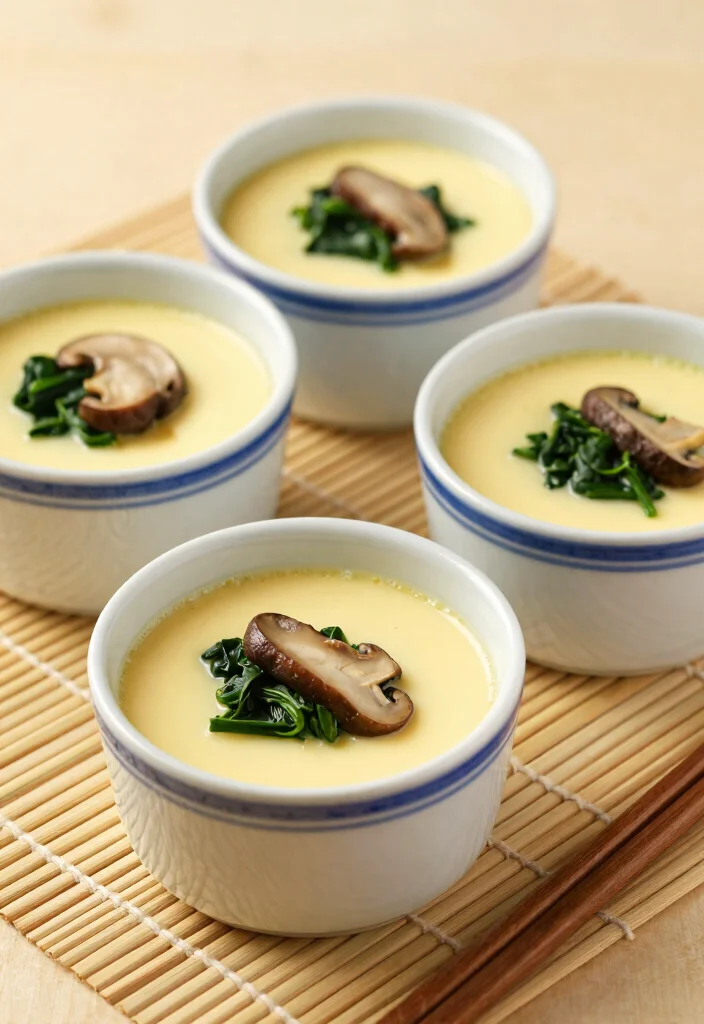
Craving a delicate dish that’s both savory and satisfying? Chawanmushi is a traditional Japanese egg custard that’s silky smooth and full of umami flavors. This vegetarian version, made with mushrooms and spinach, offers a nutritious and flavorful experience that’s perfect for impressing guests or enjoying at home.
The beauty of chawanmushi lies in its delicate texture, achieved by gently steaming the egg mixture until it sets just right. Enjoyed warm, this comforting dish is a delightful addition to any meal, showcasing the best of Japanese cuisine.
Ingredients:
– 4 large eggs
– 2 cups dashi broth (or vegetable broth)
– 1/2 cup sliced mushrooms
– 1/2 cup steamed spinach
– Soy sauce for seasoning.
Instructions:
1. In a bowl, whisk together the eggs and dashi broth until well combined.
2. Add sliced mushrooms and spinach to the egg mixture.
3. Prepare small cups or ramekins and fill them with the egg mixture.
4. Steam the cups for about 15-20 minutes or until set.
5. Serve warm, drizzled with soy sauce if desired.
FAQs:
– Can I make this ahead? Yes, it’s best enjoyed fresh but can be reheated gently.





13. Koya Dofu (Freeze-Dried Tofu)

Looking for a nutritious ingredient to elevate your dishes? Koya dofu, or freeze-dried tofu, is a versatile and protein-rich addition to Japanese cooking. With its chewy texture that absorbs flavors beautifully, it’s perfect for soups, stews, or even enjoyed on its own.
To use koya dofu, simply rehydrate it by soaking in hot water or broth. This unique ingredient not only adds a healthy boost to your meals but also brings umami goodness to every bite, making it a fantastic staple for your kitchen.
Ingredients:
– 1 package koya dofu
– 4 cups vegetable broth
– Assorted vegetables (carrots, mushrooms, bok choy)
– Soy sauce for seasoning.
Instructions:
1. Soak koya dofu in hot water for about 5 minutes until rehydrated.
2. In a pot, heat vegetable broth and add assorted chopped vegetables.
3. Add rehydrated koya dofu to the pot and simmer for about 10 minutes.
4. Season with soy sauce to taste and serve hot.
FAQs:
– Can I find koya dofu at regular grocery stores? It’s often available in Asian grocery stores.


14. Vegetarian Sushi Rolls

Craving a fresh and fun dish that’s perfect for sharing? Vegetarian sushi rolls, or maki, are a delightful way to enjoy sushi at home. Combining sushi rice with an array of colorful vegetables, these rolls are not only tasty but also visually appealing, making them a hit at any gathering.
Making vegetarian sushi is a fantastic opportunity to get creative in the kitchen. Fill your rolls with ingredients like cucumber, avocado, and carrots, then serve them with soy sauce and pickled ginger for an authentic experience that’s easy to enjoy.
Ingredients:
– 2 cups sushi rice
– 4 sheets nori
– 1 cucumber, julienned
– 1 avocado, sliced
– 1 carrot, julienned
– Soy sauce for dipping.
Instructions:
1. Cook sushi rice according to package instructions and let it cool.
2. Lay a sheet of nori on a bamboo sushi mat, shiny side down.
3. Spread a thin layer of rice over the nori, leaving a border.
4. Arrange cucumber, avocado, and carrot in a line along the rice.
5. Roll tightly using the mat and slice into pieces.
6. Serve with soy sauce for dipping.
FAQs:
– Can I use brown rice instead? Yes, but the texture will differ from traditional sushi rice.
15. Miso Soup with Tofu
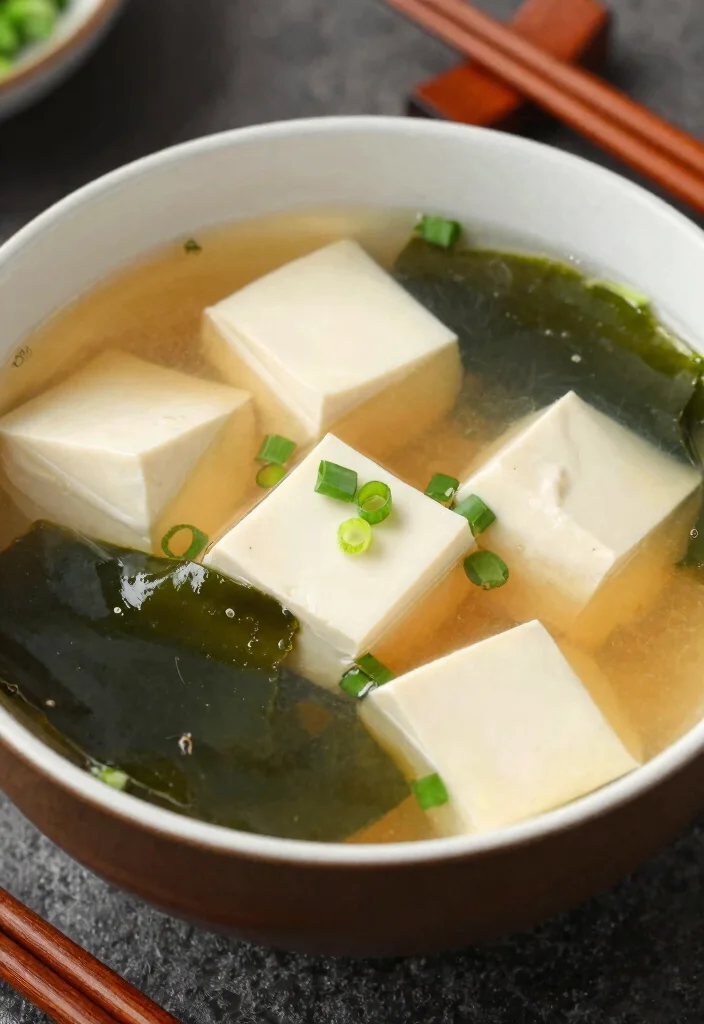
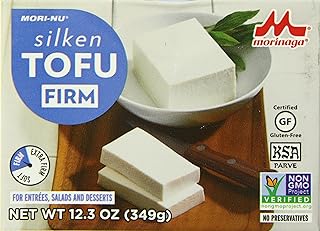
In search of a comforting soup that’s quick and nutritious? Miso soup is a staple in Japanese cuisine, known for its rich umami flavor and soothing qualities. This vegetarian version, made with silken tofu and seaweed, is perfect for any time of day and incredibly easy to prepare at home.
Miso, a fermented soybean paste, is the key ingredient that brings depth to this broth. The creamy tofu adds a lovely texture, while the seaweed provides a hint of ocean flavor. Miso soup is often enjoyed as a side dish, making it a warm and satisfying complement to any meal.
Ingredients:
– 4 cups water
– 1/3 cup miso paste
– 1 block silken tofu, cubed
– 1 sheet nori, torn into pieces
– Green onions for garnish.
Instructions:
1. In a pot, bring water to a boil.
2. Whisk in miso paste until dissolved.
3. Add cubed tofu and torn nori, simmering for about 5 minutes.
4. Garnish with sliced green onions and serve hot.
FAQs:
– Is miso soup healthy? Yes, it’s loaded with nutrients and probiotics.
Fun fact: A cup of miso soup can deliver about 40-70 calories and gut-friendly probiotics from fermentation. As part of japanese street food staples, it’s quick to make at home with silken tofu and seaweed, and it warms you up anytime.


16. Hiyayakko (Chilled Tofu)
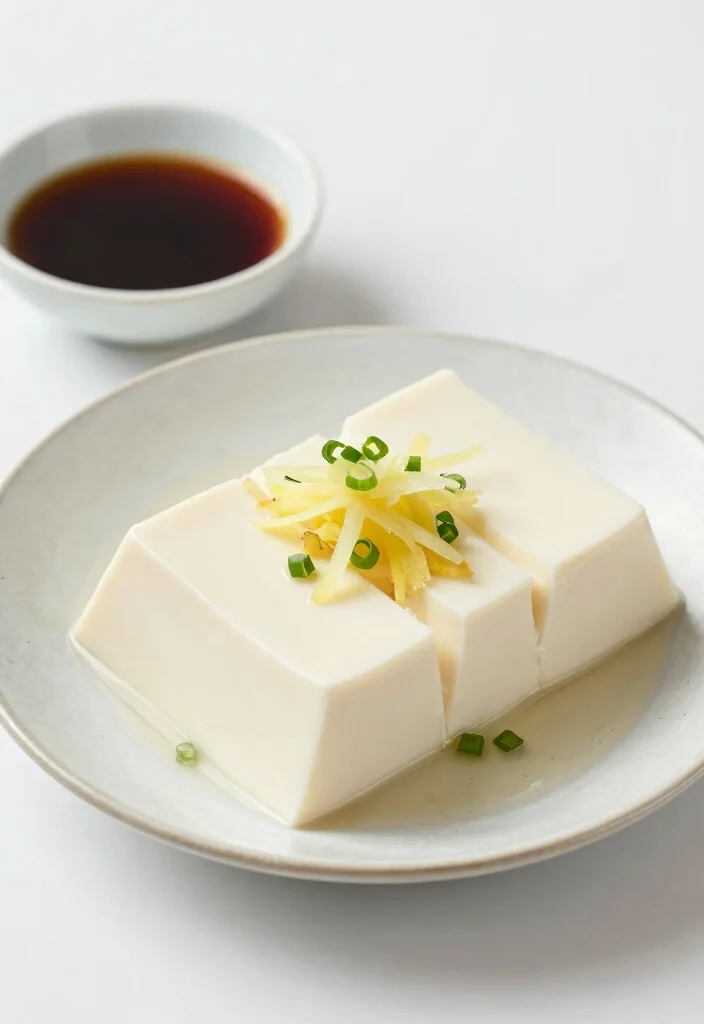
Craving a refreshing dish that’s light and nutritious? Hiyayakko is a chilled tofu dish that’s perfect for hot summer days. Served with toppings like grated ginger, green onions, and soy sauce, it’s a simple yet delightful option that showcases the subtle flavors of tofu.
The simplicity of hiyayakko lies in using high-quality silken tofu, allowing its natural taste to shine. This dish is not only easy to prepare but also packed with protein, making it a satisfying appetizer or side that everyone will enjoy.
Ingredients:
– 1 block silken tofu
– Grated ginger
– Sliced green onions
– Soy sauce for drizzling.
Instructions:
1. Carefully slice the silken tofu into cubes.
2. Place tofu on a serving plate and chill in the refrigerator for a few minutes.
3. Top with grated ginger and sliced green onions.
4. Drizzle with soy sauce just before serving.
FAQs:
– Can I use firm tofu instead? Silken tofu is recommended for the best texture.
17. Tofu Katsu
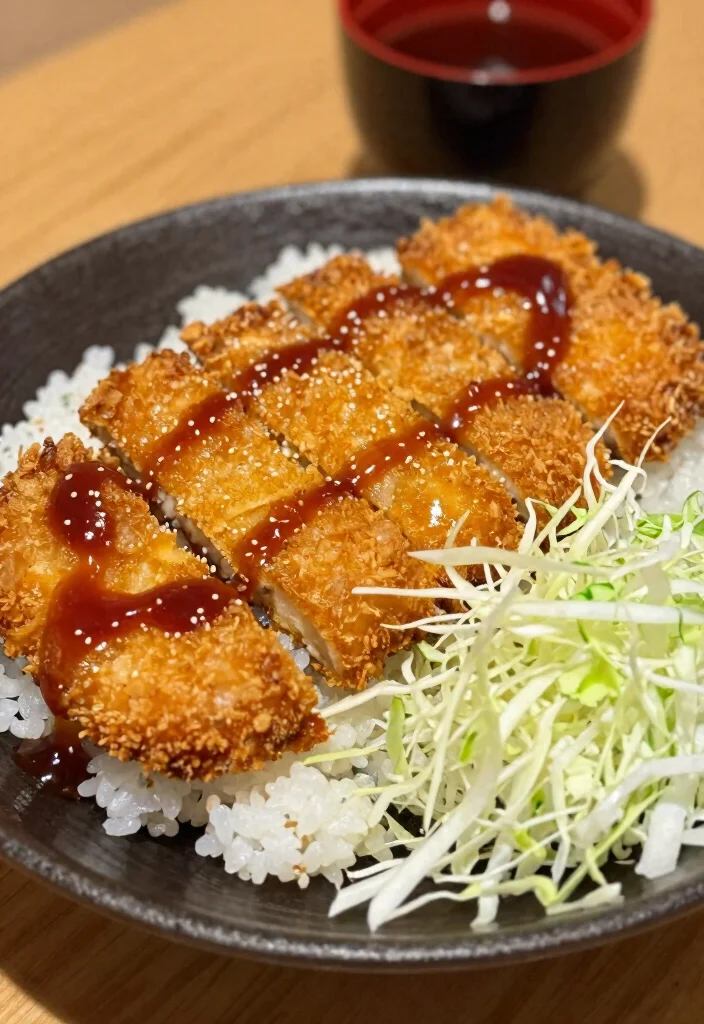
Looking for a satisfying meal that’s both crispy and comforting? Tofu katsu is a delicious vegetarian twist on the classic katsu, traditionally made with breaded meat. This version uses firm tofu coated in panko breadcrumbs, fried until golden and crispy, making it perfect for pairing with rice or in a sandwich.
The crunchy exterior complements the soft tofu inside, creating a delightful dish that’s nourishing and still light. Serve it alongside shredded cabbage and your favorite dipping sauce for a complete and enjoyable meal any day of the week.
Ingredients:
– 1 block firm tofu, sliced
– 1 cup panko breadcrumbs
– 1/4 cup flour
– 1 egg, beaten (or use a flax egg for vegan)
– Tonkatsu sauce for serving.
Instructions:
1. Dredge each tofu slice in flour, dip in the beaten egg, and coat with panko breadcrumbs.
2. Heat oil in a pan and fry the tofu slices until golden brown on both sides.
3. Serve with tonkatsu sauce and a side of shredded cabbage.
FAQs:
– Can I bake the tofu instead? Baking is an option, but it won’t be as crispy.





18. Japanese Pickles (Tsukemono)
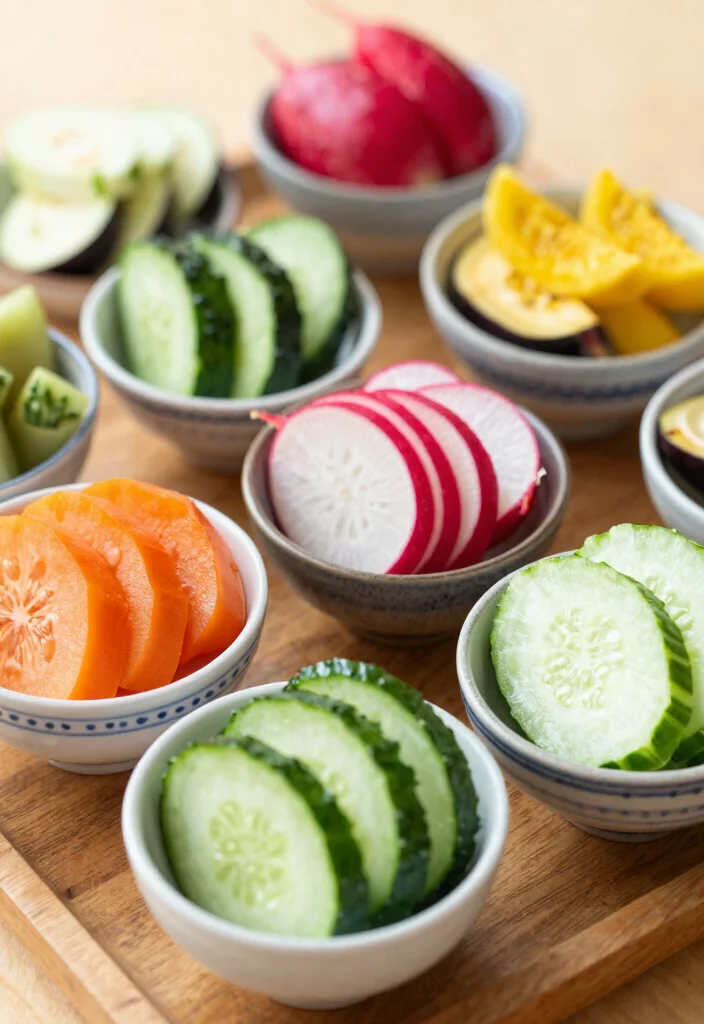
Want to add a burst of flavor to your meals? Tsukemono, or Japanese pickles, are a common side dish that enhances any meal with their crunchy, tangy goodness. Made from various vegetables like cucumbers, radishes, and eggplants, these pickles are lightly salted or fermented for a refreshing contrast to richer dishes.
Making tsukemono at home is straightforward and allows you to experiment with your favorite veggies and flavors. The pickling process enhances the natural taste of the vegetables, making them a delightful way to incorporate more nutrients into your diet.
Ingredients:
– 1 cucumber, sliced
– 1 radish, sliced
– 1/4 cup rice vinegar
– 1 tablespoon salt
– 1 tablespoon sugar.
Instructions:
1. In a bowl, mix rice vinegar, salt, and sugar until dissolved.
2. Add sliced vegetables and mix well.
3. Cover and let sit in the refrigerator for at least 2 hours or overnight for full flavor.
4. Serve chilled as a side dish.
FAQs:
– How long do pickles last? Tsukemono can last up to a week in the fridge.
Fun fact: Quick tsukemono can be ready in just 15 minutes with a light salt brine and a chill in the fridge. Use cucumbers or radishes, and you’ll add a crisp, tangy pop to any meal. Pro tip: taste and tweak salt and flavorings for perfect veggie pickles at home.
19. Cold Soba Noodles

Craving a light and refreshing meal perfect for warm weather? Cold soba noodles are a delicious choice, made from buckwheat flour and often served chilled with a flavorful dipping sauce. Pairing soba noodles with seasonal vegetables or a side of tempura creates a delightful dish that’s satisfying yet light.
The unique nutty flavor and chewy texture of cold soba make it a favorite during summer months. It’s simple to prepare at home, and you can customize the dipping sauce to suit your taste, whether you prefer sweet or savory profiles.
Ingredients:
– 8 ounces soba noodles
– 1/4 cup soy sauce
– 1/4 cup mirin
– 1 cup water
– Optional toppings (green onions, sesame seeds).
Instructions:
1. Cook soba noodles according to package instructions, then drain and rinse under cold water.
2. In a saucepan, combine soy sauce, mirin, and water, heating until warm.
3. Serve noodles on a plate alongside the dipping sauce and toppings.
4. Enjoy by dipping the noodles into the sauce before each bite.
FAQs:
– Can I serve soba hot? Yes, but cold is more traditional during summer.
20. Goya Champuru (Bitter Melon Stir-Fry)

Looking for a flavorful and nutritious dish to elevate your meals? Goya champuru is a traditional stir-fry from Okinawa, featuring goya (bitter melon), tofu, and assorted vegetables. This dish is celebrated not only for its unique flavors but also for its health benefits, making it a fantastic choice for those seeking wholesome options.
The bitter notes of the goya contrast beautifully with the creamy tofu and are balanced with seasonings, creating a dish that’s both satisfying and unique. Goya champuru is typically enjoyed with rice, making it a complete vegetarian main course that’s perfect for any dinner.
Ingredients:
– 1 bitter melon, sliced
– 1 block firm tofu, cubed
– 1 cup assorted vegetables (carrots, bell peppers)
– 2 tablespoons soy sauce
– 1 tablespoon sesame oil.
Instructions:
1. In a pan, heat sesame oil over medium heat and add cubed tofu, frying until golden brown.
2. Add sliced bitter melon and cook until slightly tender.
3. Add the assorted vegetables and soy sauce, tossing everything together until cooked through.
4. Serve hot with steamed rice.
FAQs:
– Is goya easy to find? Look for it in Asian or specialty grocery stores.
Goya Champuru (Bitter Melon Stir-Fry)
Editor’s Choice







Conclusion

Exploring the world of Japanese street food at home opens up a treasure trove of flavors and culinary delights. Each of these vegetarian recipes captures the essence of traditional Japanese cuisine, providing not just meals, but memorable experiences. Whether sharing with friends or enjoying as a cozy dinner, these dishes are sure to bring joy to your table.
So why not gather your ingredients and start this delicious journey today? You’ll not only impress your loved ones but also expand your cooking skills and knowledge of Japanese culture. Happy cooking!
Note: We aim to provide accurate product links, but some may occasionally expire or become unavailable. If this happens, please search directly on Amazon for the product or a suitable alternative.
This post contains Amazon affiliate links, meaning we may earn a small commission if you purchase through our links, at no extra cost to you.
Frequently Asked Questions
What are the best vegetarian Japanese street food recipes to try at home from this guide?
Here are vegetarian-friendly options from the guide you can make at home:
Okonomiyaki made with cabbage, mushrooms, and a savory glaze;
Veggie takoyaki filled with cheese and shiitake (no octopus);
Yaki onigiri brushed with a soy-miso glaze;
Tempura vegetables like sweet potato, broccoli, and green beans with a light tentsuyu dipping sauce;
Mitarashi dango for a sweet finish. For extra depth, cook with vegetarian dashi (kombu and dried shiitake) to boost umami in these japanese street food recipes and homemade Japanese snacks that fit into easy Japanese cuisine.
Which easy Japanese street food recipes are ideal for beginners who want vegetarian options?
Great news for beginners: start with easy Japanese cuisine staples that are naturally vegetarian. Try okonomiyaki (a pancake loaded with cabbage and veggies), yaki onigiri (grilled rice balls with a quick glaze), kakiage-style tempura (vegetable tempura batter-fried), and mitarashi dango (sweet soy-glazed rice dumplings). These are approachable, use simple pantry items, and still deliver authentic flavors that taste like traditional Japanese dishes and popular street food in Japan.
How can I keep the flavors authentic while using vegetarian substitutes for Japanese street foods?
Focus on building umami with vegetarian ingredients. Use kombu and dried shiitake to make a(vegetarian) dashi, and layer in miso, soy sauce, sesame oil, and rice vinegar for depth. Swap seafood-based sauces with vegetarian versions, and rely on mushrooms, seaweed, and roasted vegetables to mimic texture and savoriness. This approach helps you recreate japanese street food recipes that stay true to traditional Japanese dishes while remaining fully vegetarian.
What kitchen gear and pantry staples should I stock for homemade Japanese snacks and street food?
Build a small, versatile setup: a good non-stick skillet or grill pan for pan-frying okonomiyaki and onigiri, a shallow pot for simmering or frying, and optional items like a takoyaki pan if you want to experiment with veggie takoyaki. Stock Japanese pantry essentials like miso paste, soy sauce, rice vinegar, mirin, sesame oil, nori sheets, shiitake mushrooms, cabbage, tempura batter mix, and rice flour. Having these on hand makes it easy to whip up homemade Japanese snacks and other easy Japanese cuisine staples.
How long do homemade vegetarian Japanese street foods stay fresh, and how should I store leftovers?
Most freshly made street food bites are best enjoyed the day they’re cooked. If you need to store leftovers, keep vegetarian items in airtight containers in the refrigerator for up to 1–2 days and reheat in a 350°F (175°C) oven or toaster oven to restore crispness. Onigiri are convenient but are most enjoyable soon after making; for longer, store components separately (rice, fillings, sauce) and assemble just before serving. This keeps your homemade Japanese snacks tasting fresh and aligns with popular street food in Japan traditions.
Related Topics