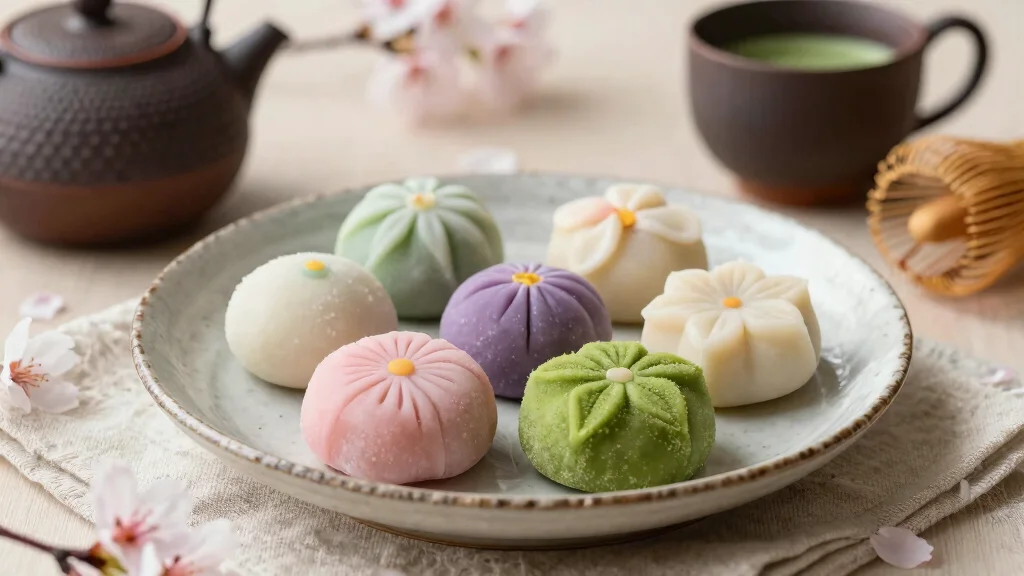

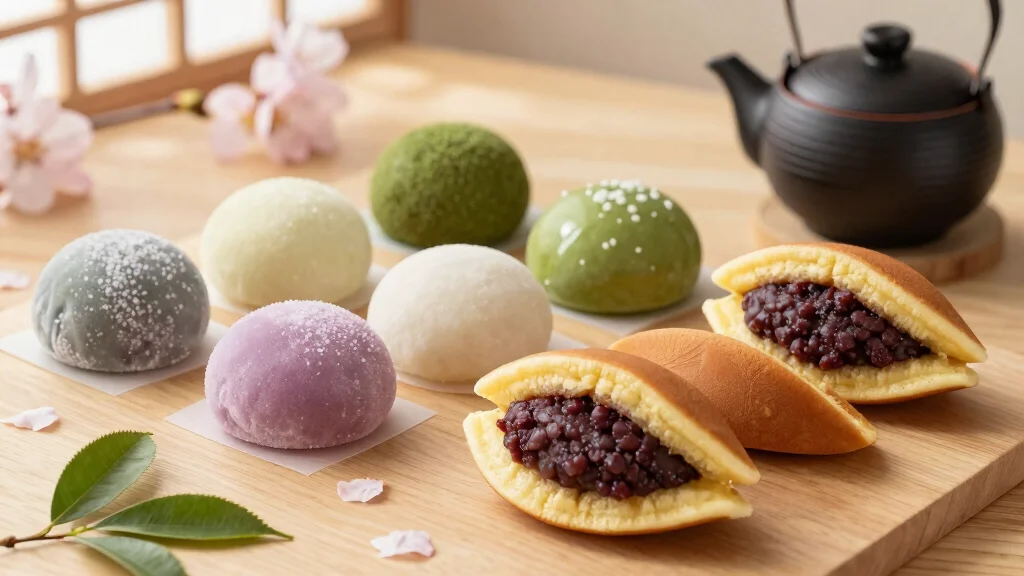
Japanese sweets have a special place in my heart, a delightful blend of flavors and textures that never fail to mesmerize. Whether it’s the velvety smoothness of mochi or the delicate sweetness of dorayaki, these treats have me craving more. Inspired by my love for both traditional and modern Japanese desserts, I created this post to share some of the best recipes.
If you’re a fan of sweets and curious about gluten-free options, this one’s for you. You will find an array of recipes that not only cater to your sweet tooth but also celebrate the beauty of Japanese confectionery. Each recipe is carefully selected to ensure it’s easy to follow, allowing you to indulge in popular Japanese treats from the comfort of your kitchen.
In this guide, you will discover 20 irresistible Japanese sweets recipes that range from traditional desserts to contemporary delights. These recipes are not only gluten-free but are also perfect for any occasion. Whether you’re looking to impress friends at a gathering or simply want a cozy treat after a long day, these easy Japanese sweets will bring a touch of Japan into your home.
Key Takeaways
– Explore 20 gluten-free Japanese sweets recipes that are perfect for any occasion, from gatherings to cozy nights in.
– Enjoy a mix of traditional Japanese desserts like dorayaki and modern confections featuring unique flavors and textures.
– Each recipe is designed to be easy to follow, ensuring that even beginners can create delicious treats without stress.
– Discover the art of making homemade mochi and other popular Japanese treats, bringing a taste of Japan right to your kitchen.
– Satisfy your sweet cravings with delightful options that cater to various dietary needs, while still being packed with flavor.



1. Matcha Mochi
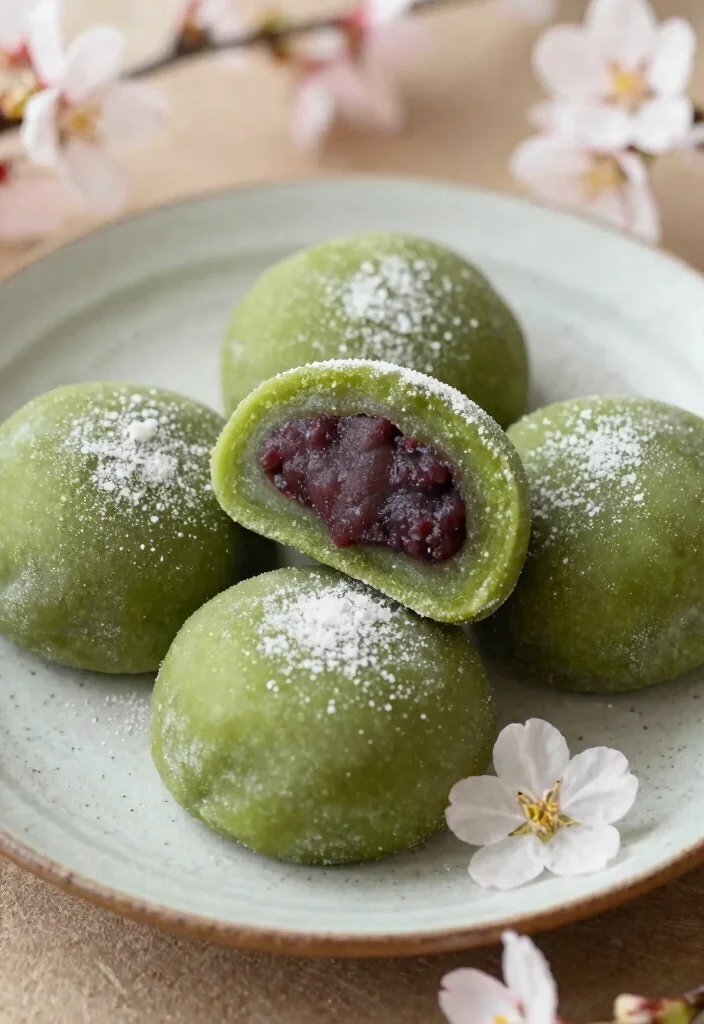
Craving something chewy and flavorful? Matcha mochi is a delightful treat that combines the unique taste of matcha green tea with the satisfying chewiness of traditional mochi. It’s not just a feast for your taste buds, but also a nutritious option, bursting with antioxidants and offering a gluten-free indulgence that’s easy to whip up at home. Whether you choose to fill it with sweet red bean paste or enjoy it plain, it’s sure to impress.
Ingredients:
– 1 cup glutinous rice flour
– 1/4 cup matcha powder
– 1/2 cup sugar
– 3/4 cup water
– Cornstarch (for dusting)
Instructions:
1. In a bowl, mix glutinous rice flour, matcha powder, and sugar.
2. Gradually add water, mixing until smooth.
3. Pour the mixture into a heatproof dish and steam for about 10 minutes.
4. Once cooked, let it cool slightly, then dust your hands with cornstarch and shape the mochi into small balls.
5. Fill with anko if desired, then enjoy!
FAQs:
– Can I use regular rice flour? No, glutinous rice flour is essential for the chewy texture.
Matcha Mochi
Editor’s Choice



🍰 Unlock 11000 Delicious Recipes!
Dive into a treasure trove of recipes, including gluten-free Japanese sweets that will delight your taste buds!
2. Daifuku
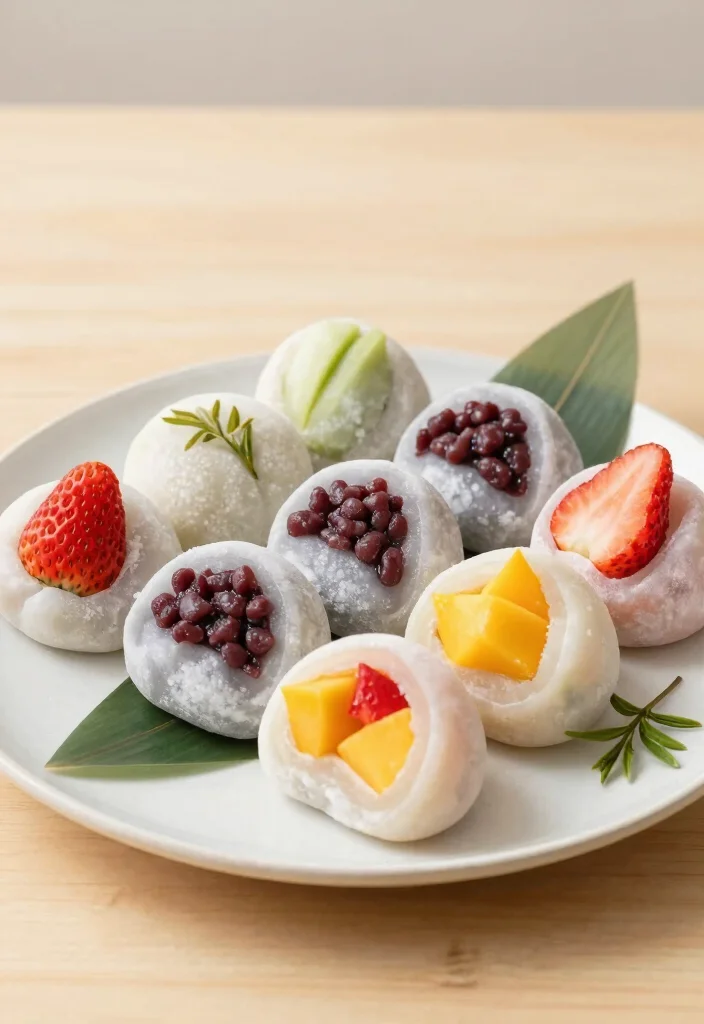
Looking for a fun and versatile dessert? Daifuku is a charming Japanese sweet made from glutinous rice cake, packed with various delightful fillings. While the classic choice is sweet red bean paste, feel free to experiment with fruits or even ice cream for a twist. This customizable treat is perfect for any occasion and adds a playful element to your dessert spread.
Ingredients:
– 1 cup glutinous rice flour
– 1/2 cup sugar
– 3/4 cup water
– 1 cup sweet red bean paste (anko)
– Cornstarch (for dusting)
Instructions:
1. In a bowl, mix the glutinous rice flour and sugar.
2. Gradually add water, stirring until smooth.
3. Steam the mixture for about 10 minutes until it becomes translucent.
4. Let it cool, then dust your hands with cornstarch and divide the mixture into balls.
5. Flatten each ball and place a spoonful of filling in the center. Fold and seal the edges.
6. Dust with more cornstarch and serve.
FAQs:
– How long do they last? Best eaten fresh, but can be stored in an airtight container in the fridge for a couple of days.
Daifuku
Editor’s Choice




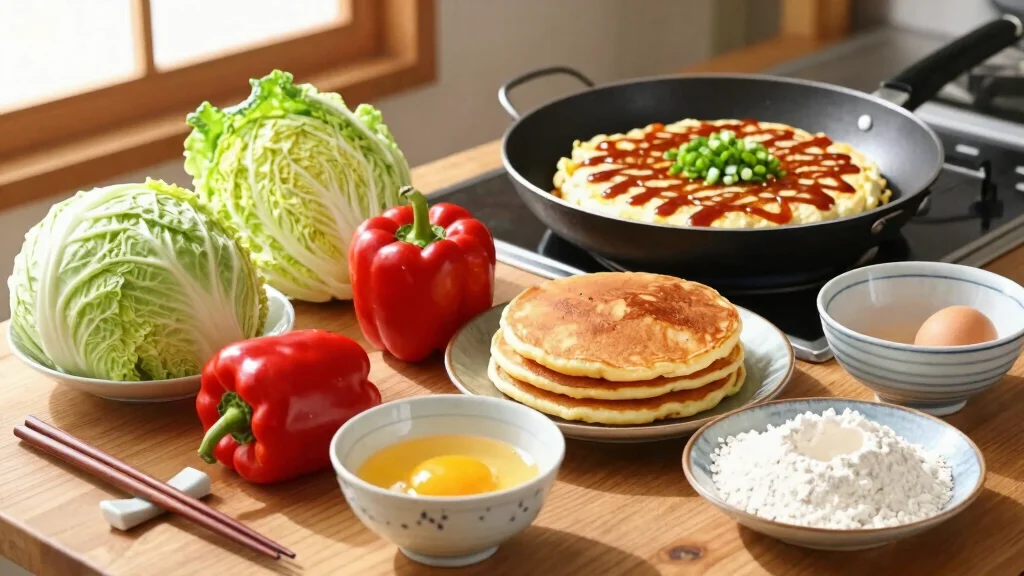
3. Dorayaki
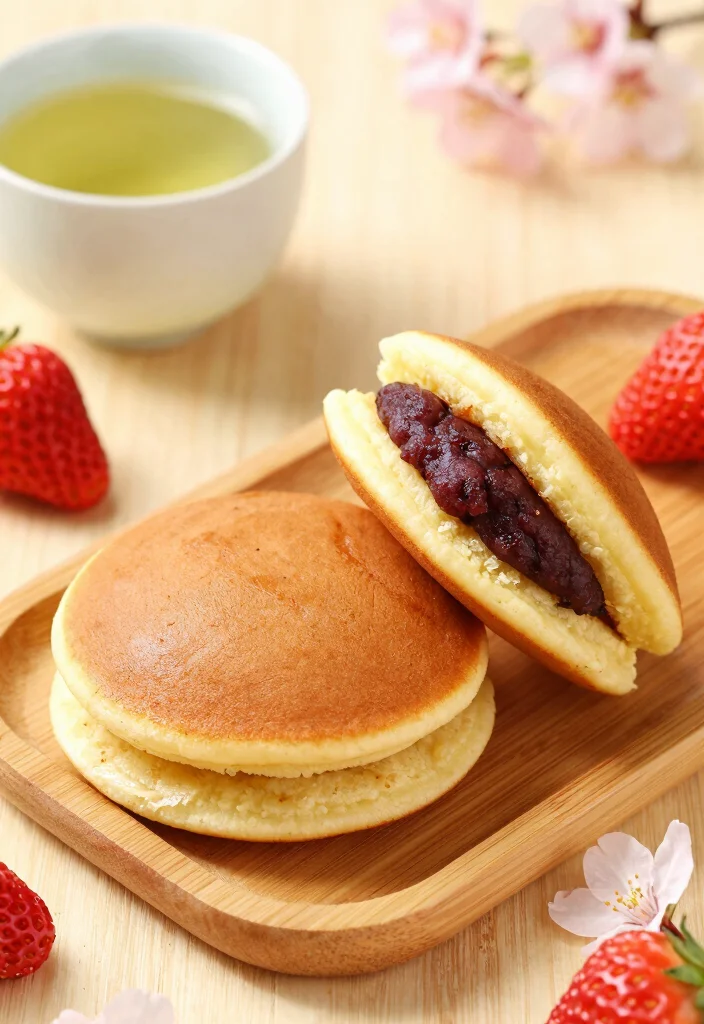
Feeling like a snack that’s both sweet and satisfying? Dorayaki is a delightful Japanese dessert featuring two fluffy pancake-like cakes filled with sweet red bean paste. They’re perfect for a quick treat on the go or as a dessert to share. With variations like chocolate or custard, there’s something for everyone to enjoy.
Ingredients:
– 1 cup all-purpose gluten-free flour
– 2 large eggs
– 1/4 cup sugar
– 1/2 cup milk
– 1 teaspoon baking powder
– 1 cup sweet red bean paste (anko)
Instructions:
1. In a bowl, whisk eggs and sugar until fluffy.
2. Add milk and mix well.
3. Gradually incorporate gluten-free flour and baking powder, stirring until smooth.
4. Heat a non-stick skillet over low heat and pour small amounts of batter to form pancakes.
5. Cook until bubbles form on the surface, flip and cook until golden brown.
6. Once cooled, spread anko between two pancakes to form a sandwich.
FAQs:
– Can I freeze dorayaki? Yes, they freeze well. Just thaw and reheat before serving.


How To Choose The Right Japanese Sweets Recipe
When diving into the world of Japanese sweets, it’s essential to choose recipes that fit your taste and dietary needs. Whether you’re looking for traditional or modern treats, here are some key criteria to consider when selecting your next Japanese sweets recipe.
1. Flavor Profile
Japanese sweets offer a diverse range of flavors, from sweet and nutty red bean to earthy matcha. Consider what flavor profile excites your taste buds. If you prefer light and subtle flavors, try recipes featuring fruits or sakura. For something richer, seek out sweets that include ingredients like black sesame or chestnuts. Knowing your preferred flavors can make your baking experience more enjoyable.
2. Dietary Restrictions
With the rise in dietary awareness, gluten-free recipes are increasingly popular. If you or someone you’re cooking for has gluten sensitivities, look for recipes specifically labeled gluten-free, like mochi or dango. Many traditional Japanese sweets can be adapted to gluten-free versions, so don’t hesitate to explore substitutions for flour or other ingredients.
3. Preparation Time
Consider how much time you want to invest in making your Japanese sweets. Some recipes, like matcha mochi or dorayaki, involve relatively simple steps and can be made in under an hour. Others, such as homemade anmitsu or taiyaki, may require more time due to multiple components. Choose a recipe that fits your schedule, especially if you’re preparing for an event or celebration.
4. Skill Level
Your cooking experience matters when selecting a recipe. If you’re a beginner, opt for easy Japanese sweets like mochi ice cream or yaki imo, which require minimal skills. More experienced bakers might enjoy challenging themselves with intricate sweets like sakura mochi or kuri kinton. Assess your comfort level to ensure a successful and satisfying cooking experience.
5. Ingredient Availability
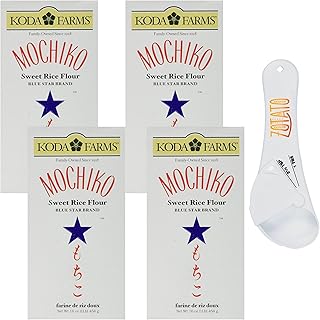
Before choosing a recipe, check if you can easily find the necessary ingredients. Some unique items, like agar-agar for kanten jelly or sweet rice flour for daifuku, may not be available at every grocery store. If you’re not able to access these ingredients easily, consider choosing recipes that use more common pantry staples. This way, you can dive right into your sweet-making adventure without unnecessary delays.
6. Occasion
Think about the occasion for which you’re making these sweets. If it’s a casual gathering, light desserts like fruit sandwiches or mizu yokan may be perfect. For special events like Cherry Blossom Festival, traditional sweets such as bota mochi or kashiwa mochi will capture the celebratory spirit. Tailoring your choice to the occasion ensures that your treats will be well-received and enjoyed.
Pro Tip: Always read through the entire recipe before starting. Familiarizing yourself with the steps and ingredients can save you time and prevent surprises during preparation. Happy baking!





4. Yaki Imo (Baked Sweet Potatoes)
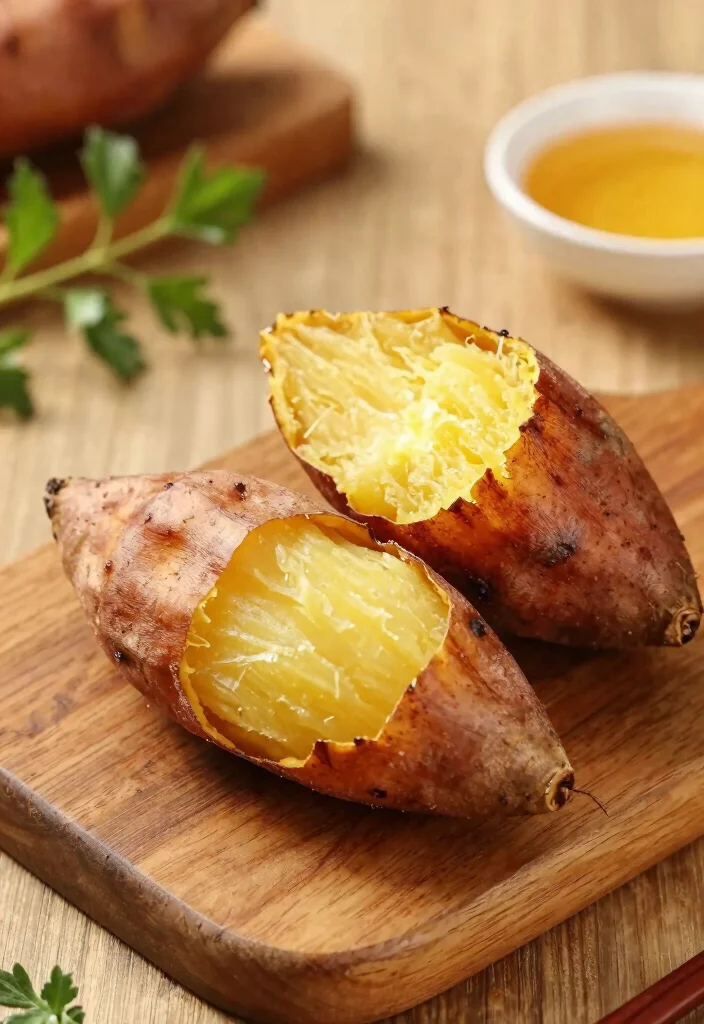
Craving something warm and comforting? Yaki Imo, or baked sweet potatoes, is a simple yet popular Japanese street food that’s naturally sweet and nutritious. This hearty snack is perfect for chilly days, offering a delightful flavor and soft texture that will warm you inside and out.
Ingredients:
– 2 medium Japanese sweet potatoes
– Salt (optional)
Instructions:
1. Preheat the oven to 400°F (200°C).
2. Wash the sweet potatoes thoroughly and pat dry.
3. Place them directly on the oven rack or on a baking sheet lined with parchment paper.
4. Bake for 45-60 minutes until they are fork-tender.
5. Optionally, sprinkle a little salt on top before serving.
FAQs:
– Can I use other types of sweet potatoes? Yes, but Japanese varieties are sweeter and more flavorful.





5. Saba Misozuke (Miso Pickled Fish)
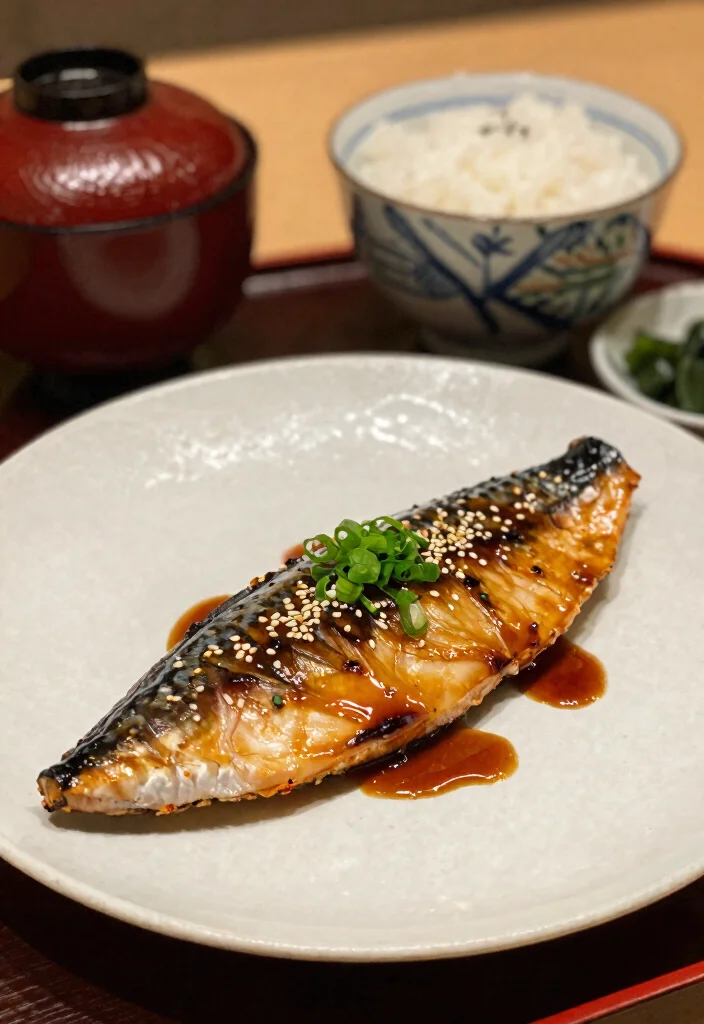
Looking for something savory to complement your sweet treats? Saba Misozuke features mackerel marinated in a rich, savory miso paste, offering a unique flavor that balances the sweetness of desserts. This dish is a wonderful addition to any Japanese culinary experience, making it perfect for pairing with your favorite sweets.
Ingredients:
– 4 mackerel fillets
– 1 cup miso paste
– 1/4 cup sake
– 1/4 cup sugar
– 1/4 cup mirin
Instructions:
1. Mix miso, sake, sugar, and mirin in a bowl.
2. Coat the mackerel fillets with the mixture and let them marinate for at least 30 minutes.
3. Preheat the grill or a skillet and cook the fillets for about 5-7 minutes on each side.
4. Once cooked through, serve alongside your favorite sweets.
FAQs:
– Can I prepare this in advance? Yes, it lasts for a few days in the refrigerator.
📹 Related Video: How to make misozuke-yaki 〜Miki’s Kitchen〜



6. Anmitsu
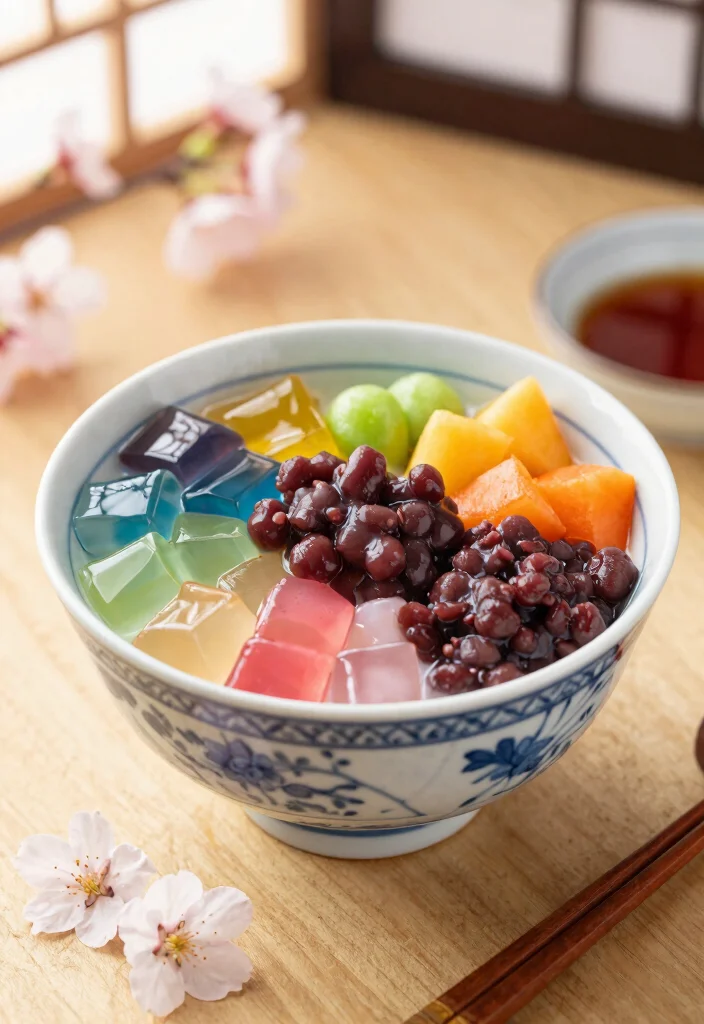
Want a dessert that’s as beautiful as it is delicious? Anmitsu is a colorful jelly dessert made from agar-agar, served with sweet red bean paste, fresh fruits, and a drizzle of syrup. It’s not only a treat for your taste buds but also a feast for the eyes, making it a perfect centerpiece for any dessert table.
Ingredients:
– 1 cup agar-agar powder
– 4 cups water
– 1 cup sweet red bean paste (anko)
– 1 cup assorted fruits (mango, strawberries, kiwi)
– 1/4 cup syrup (honey or sweet syrup)
Instructions:
1. In a saucepan, dissolve agar-agar powder in water and bring to a boil.
2. Simmer for about 10 minutes, stirring occasionally, then pour into molds and let set in the fridge for at least 1 hour.
3. Once set, cut the jelly into cubes and serve in bowls with anko and chopped fruits.
4. Drizzle with syrup before serving.
FAQs:
– Can I use gelatin instead of agar-agar? Yes, but the texture will be different.






7. Kawaii Fruit Sandwiches
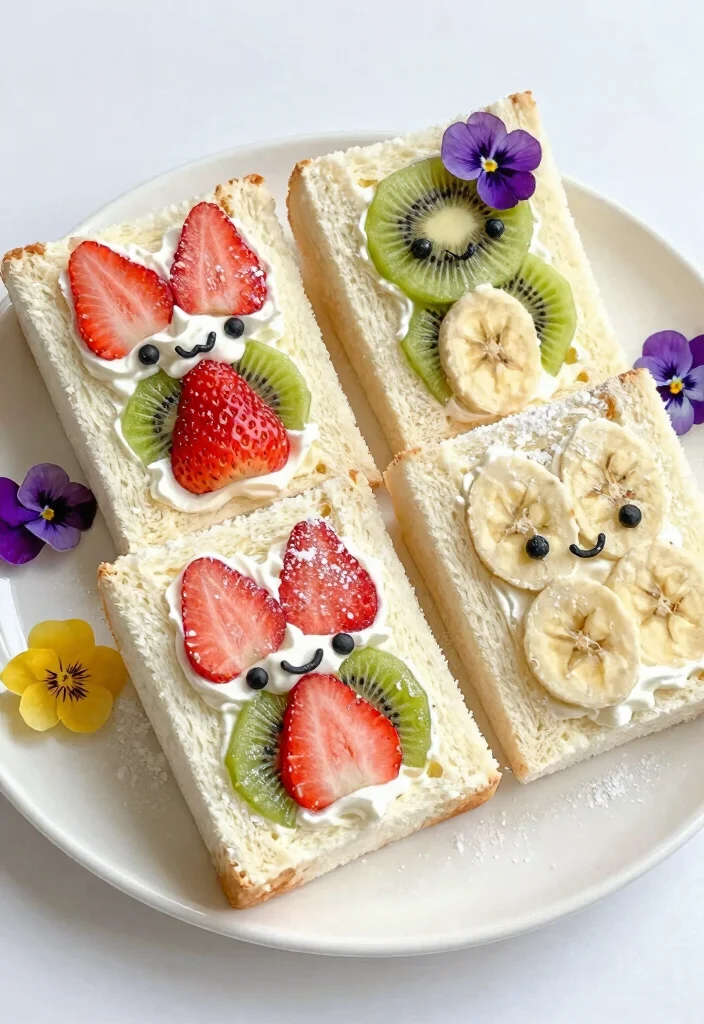
Looking for a playful and colorful treat? Kawaii fruit sandwiches bring a modern twist to traditional Japanese sweets, featuring layers of cream and fresh fruits between slices of bread. They’re not only delicious but also visually stunning, making them ideal for parties or as a delightful afternoon snack.
Ingredients:
– 4 slices of gluten-free bread
– 1/2 cup whipped cream or cream cheese
– Assorted fruits (strawberries, kiwi, banana)
– Honey (optional)
Instructions:
1. Spread whipped cream or cream cheese evenly on one side of each slice of bread.
2. Layer assorted fruits on top and drizzle with honey if desired.
3. Place another slice of bread on top to form a sandwich.
4. Cut into fun shapes using cookie cutters.
FAQs:
– How long can I store them? Best consumed fresh but can last a day in the fridge.





8. Sakura Mochi
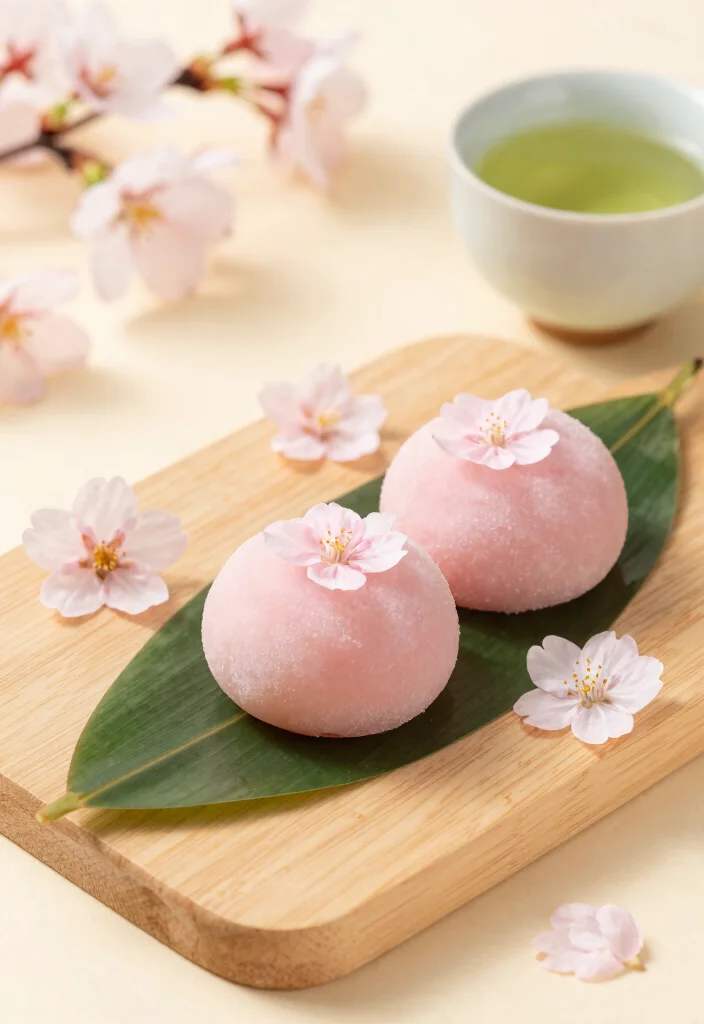
Want to celebrate springtime? Sakura mochi is a seasonal delight made from glutinous rice flour and infused with the unique flavor of salted sakura leaves. Often filled with sweet red bean paste, this treat beautifully represents Japanese culture and is perfect for special occasions.
Ingredients:
– 1 cup glutinous rice flour
– 3/4 cup water
– 1/4 cup sugar
– 1 cup sweet red bean paste (anko)
– 5-10 salted cherry blossom leaves
Instructions:
1. In a bowl, mix the glutinous rice flour and sugar.
2. Gradually add water and stir until smooth.
3. Steam the mixture for about 15 minutes until translucent.
4. Once cooled, dust your hands with cornstarch and flatten the dough.
5. Place a ball of anko in the center, fold the dough around it, and wrap with a sakura leaf.
FAQs:
– Can I make them in advance? Yes, but they are best enjoyed fresh.
Sakura Mochi
Editor’s Choice


9. Hojicha Jelly
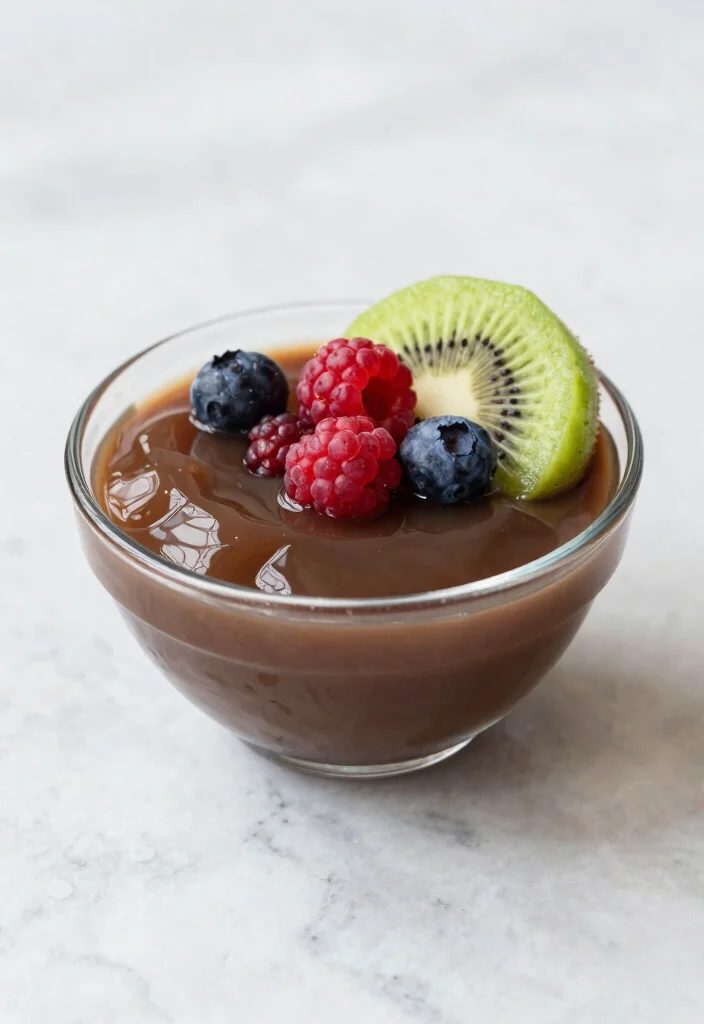
Craving a refreshing dessert? Hojicha jelly captures the warm, roasted flavors of hojicha tea, creating a light and delightful treat. This unique dessert is perfect for tea lovers and serves as a wonderful end to any meal, with its subtle sweetness and smooth texture.
Ingredients:
– 2 cups water
– 2 tablespoons hojicha powder
– 1/4 cup sugar
– 1 packet agar-agar
– Fresh fruits for topping (optional)
Instructions:
1. In a saucepan, combine water, hojicha powder, and sugar. Bring to a gentle boil.
2. Stir in the agar-agar and simmer for about 5 minutes.
3. Pour the mixture into molds and let it set in the fridge.
4. Once set, serve chilled with fresh fruits on top.
FAQs:
– Is it suitable for a vegan diet? Yes, it’s made with plant-based ingredients.


10. Taiyaki
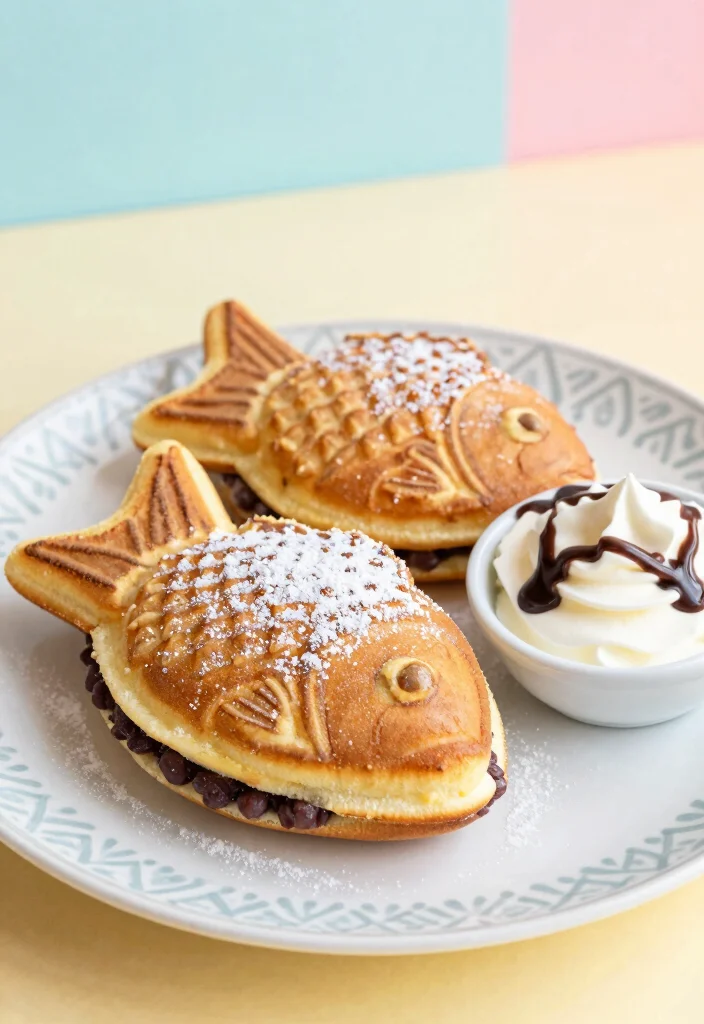
Looking for a fun dessert that’s also Instagram-worthy? Taiyaki is a beloved Japanese street food, shaped like a fish and filled with sweet red bean paste or various other fillings like custard and chocolate. This delightful treat is not only tasty but also visually appealing, perfect for impressing friends and family.
Ingredients:
– 1 cup gluten-free flour
– 1 tablespoon baking powder
– 1/4 cup sugar
– 1 cup milk
– 1 egg
– 1/2 cup sweet red bean paste (or filling of choice)
Instructions:
1. In a bowl, mix the flour, baking powder, and sugar.
2. Whisk in milk and egg until smooth.
3. Preheat a taiyaki mold and pour batter into each side.
4. Add a spoonful of filling, then cover with more batter. Close the mold and cook for about 5 minutes, turning halfway.
5. Once golden, remove and serve hot.
FAQs:
– Can I use a different mold? Yes, any waffle or cake mold can work in a pinch.





11. Mizu Yokan (Water Yokan)
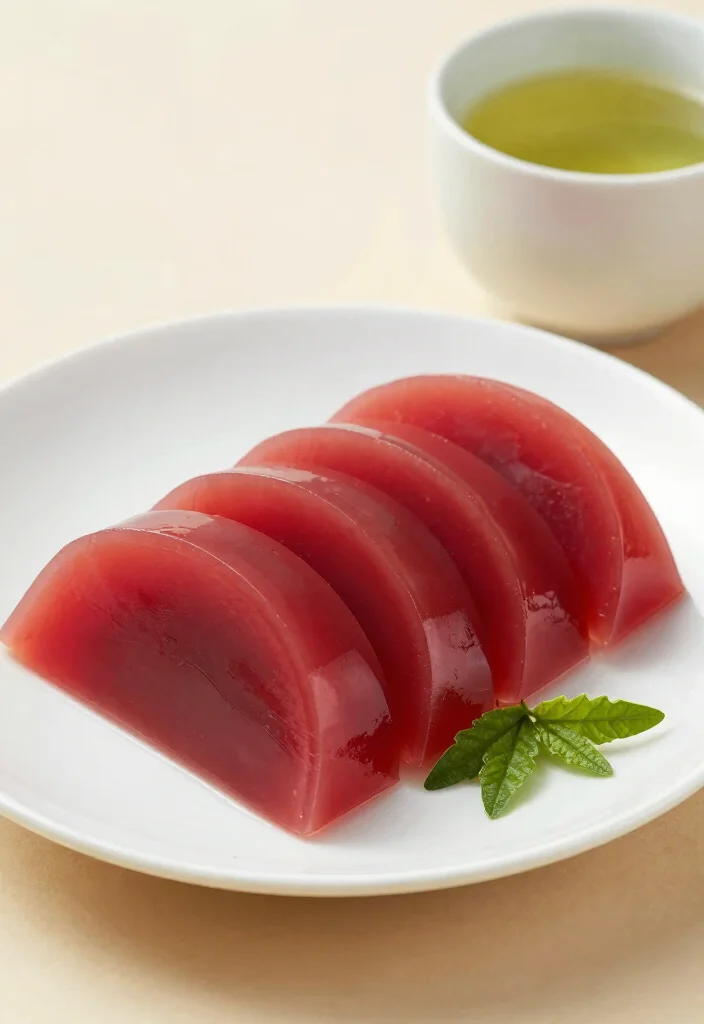
Craving something light and refreshing? Mizu yokan is a jelly-like dessert made primarily from red bean paste and agar-agar, perfect for hot summer days. This unique treat offers a sweet, bean-based flavor that is delightful and satisfying, making it a popular choice for those seeking something lighter.
Ingredients:
– 2 cups red bean paste (anko)
– 1 cup water
– 2 tablespoons agar-agar powder
– Sugar to taste (optional)
Instructions:
1. In a saucepan, combine water and agar-agar. Bring to a boil, stirring to dissolve.
2. Mix in the red bean paste and combine thoroughly.
3. Pour the mixture into a mold and let it cool to room temperature.
4. Refrigerate until set, then slice into pieces and serve chilled.
FAQs:
– How long does it last in the fridge? Up to a week if stored properly.



12. Kuri Kinton (Sweet Chestnut Paste)
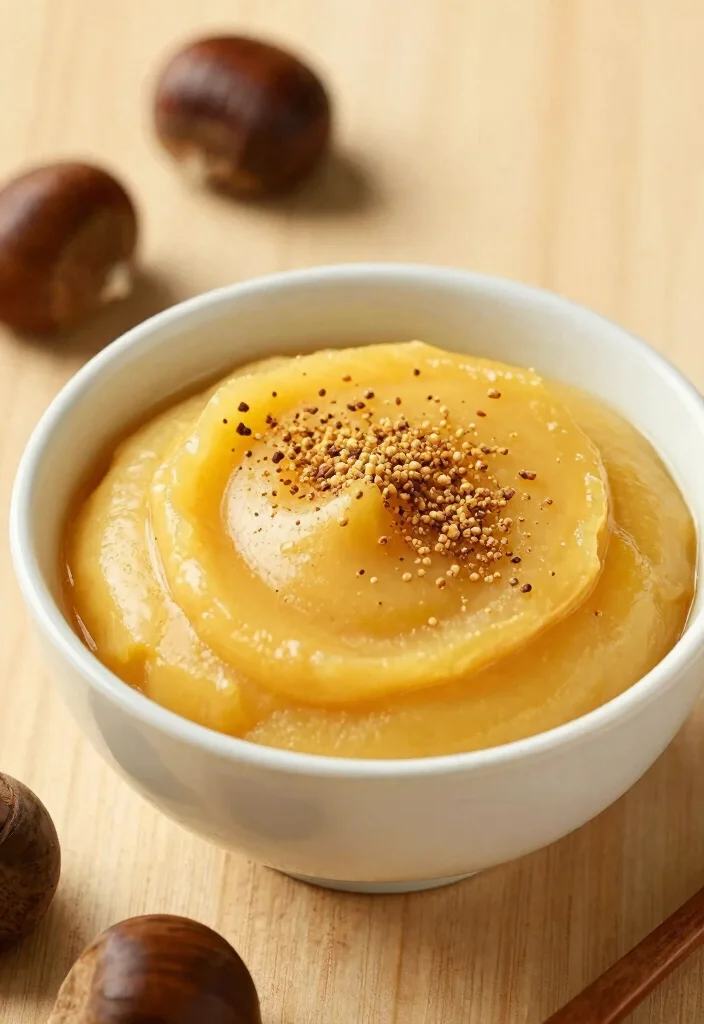
Want a comforting treat for colder days? Kuri kinton is a traditional Japanese dessert made from sweetened chestnuts and sweet potato, often enjoyed during New Year’s celebrations. With its smooth texture and rich flavor, this dish embodies the essence of autumn and winter, making it a cozy favorite.
Ingredients:
– 1 cup cooked sweet potato (mashed)
– 1 cup cooked chestnuts (peeled)
– 1/2 cup sugar
– 1/4 cup water
Instructions:
1. In a saucepan, combine mashed sweet potato, chestnuts, sugar, and water.
2. Cook on low heat until the mixture thickens and becomes smooth.
3. Remove from heat and let cool before serving.
FAQs:
– Can I use canned chestnuts? Yes, canned chestnuts are a great shortcut!


13. Dango
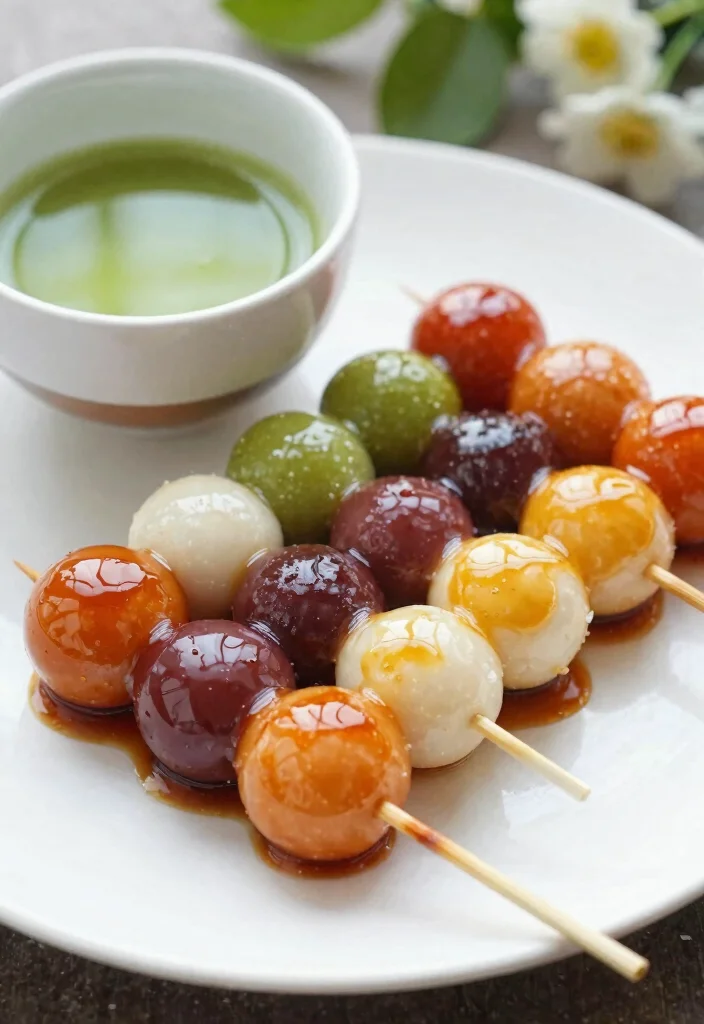
Looking for a fun and festive treat? Dango is a popular Japanese sweet dumpling made from rice flour, often served on skewers. This delightful snack is commonly enjoyed during festivals and can be brushed with a sweet soy sauce glaze, balancing sweetness and saltiness. Perfect for sharing or enjoying on your own!
Ingredients:
– 1 cup rice flour
– 1/4 cup sugar
– 1/2 cup water
– Sweet soy sauce (for serving)
Instructions:
1. In a bowl, mix rice flour and sugar. Gradually add water until a dough forms.
2. Shape the dough into small balls and boil them in water for 5-7 minutes.
3. Drain and let them cool slightly.
4. Skewer the dango and brush with sweet soy sauce before serving.
FAQs:
– How do I store leftovers? Keep them in the fridge, but they are best fresh.
❝ Fun fact: Dango skewers show up at festivals across Japan, and they’re naturally gluten-free when made with rice flour. Pro-tip for your japanese sweets recipe: brush with a quick sweet soy glaze to balance sweet and salty, then share on skewers for easy, cafe-worthy bites. ❞
14. Bota Mochi
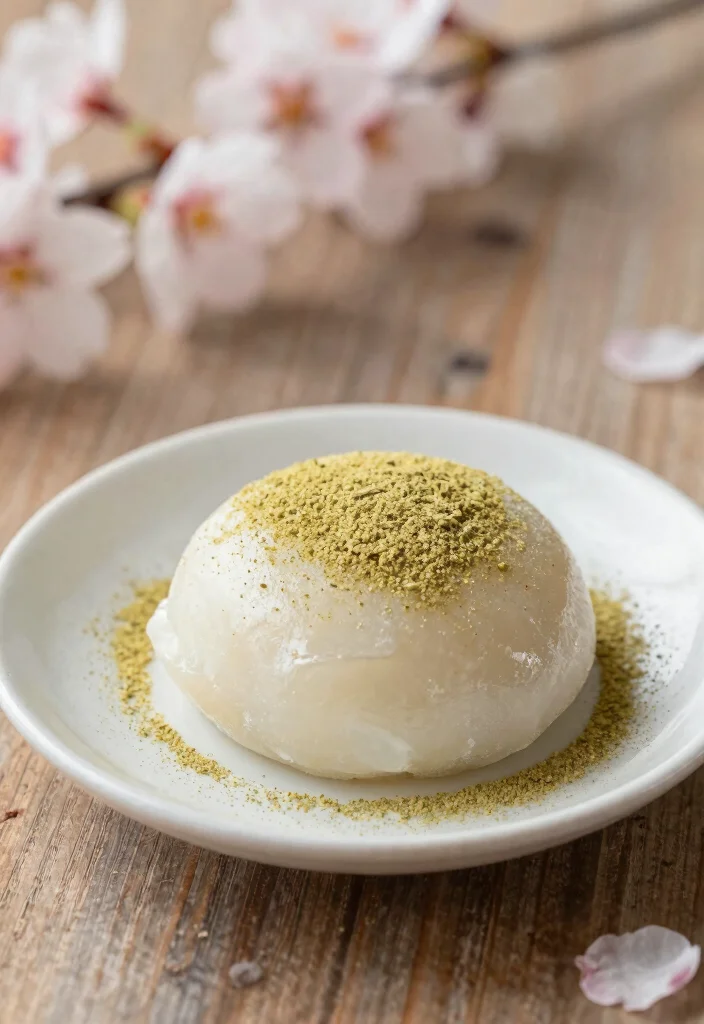
Craving something unique and delicious? Bota mochi is a lesser-known Japanese sweet combining glutinous rice flour with sweet bean paste, typically wrapped in a layer of mochi. The delightful combination of textures makes it a fantastic dessert to enjoy any time of the year.
Ingredients:
– 1 cup glutinous rice flour
– 1/2 cup water
– 1/4 cup sugar
– 1 cup sweet red bean paste (anko)
Instructions:
1. In a bowl, mix glutinous rice flour, sugar, and water until smooth.
2. Steam the mixture for about 15 minutes until translucent.
3. Let it cool, then cut into small squares.
4. Take a piece of mochi, fill it with anko, and shape it into a ball.
FAQs:
– Are they gluten-free? Yes, as long as you use gluten-free rice flour.
Bota Mochi
Editor’s Choice

15. Yatsuhashi
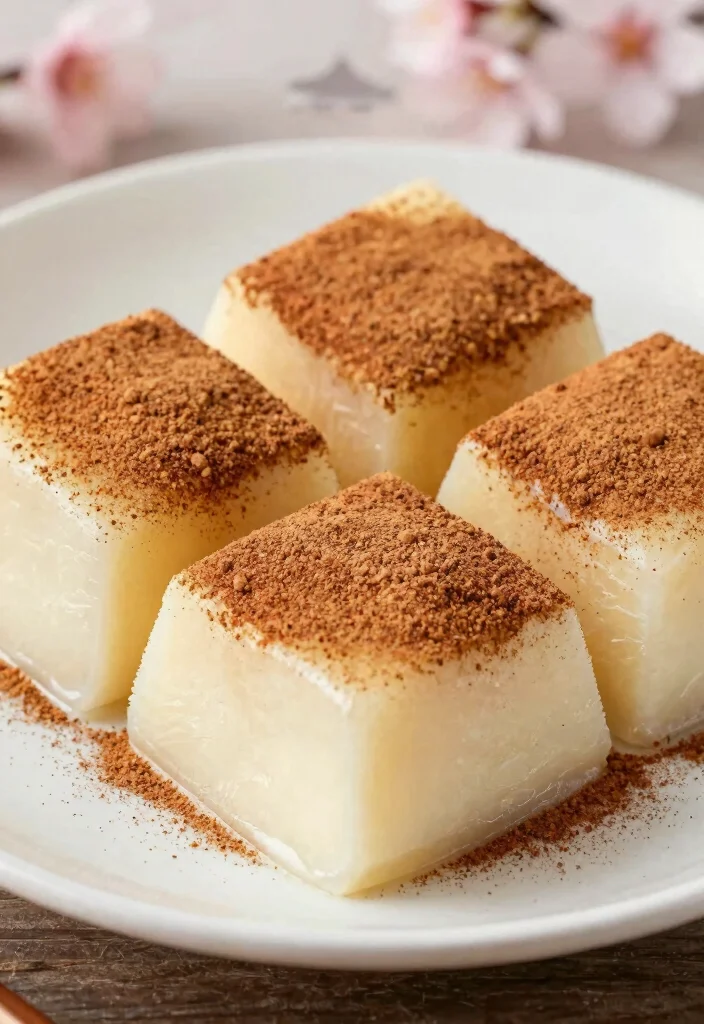
Want to try a traditional treat with a twist? Yatsuhashi is a delightful confection made from glutinous rice flour, often filled with sweet red bean paste or flavored with cinnamon. Hailing from Kyoto, this chewy dessert is perfect as a souvenir or just a sweet indulgence, showcasing subtle flavors that will leave you wanting more.
Ingredients:
– 1 cup glutinous rice flour
– 1/2 cup sugar
– 1/4 cup water
– 1 cup sweet red bean paste (anko)
– Cinnamon powder (optional)
Instructions:
1. In a bowl, mix glutinous rice flour, sugar, and water until a smooth dough forms.
2. Steam the dough for about 10 minutes until it becomes translucent.
3. Let it cool, then shape small pieces, filling each with anko.
4. Roll in cinnamon if desired and serve.
FAQs:
– Is it suitable for vegans? Yes, it’s made with plant-based ingredients.
❝ Fun fact: Yatsuhashi hails from Kyoto and dates back to the 17th century, turning simple glutinous rice flour into a beloved treat. With just 1 cup of flour and a dash of cinnamon, you can craft a gluten-free japanese sweets recipe that travels from gift shop to home kitchen. ❞
16. Mochi Ice Cream
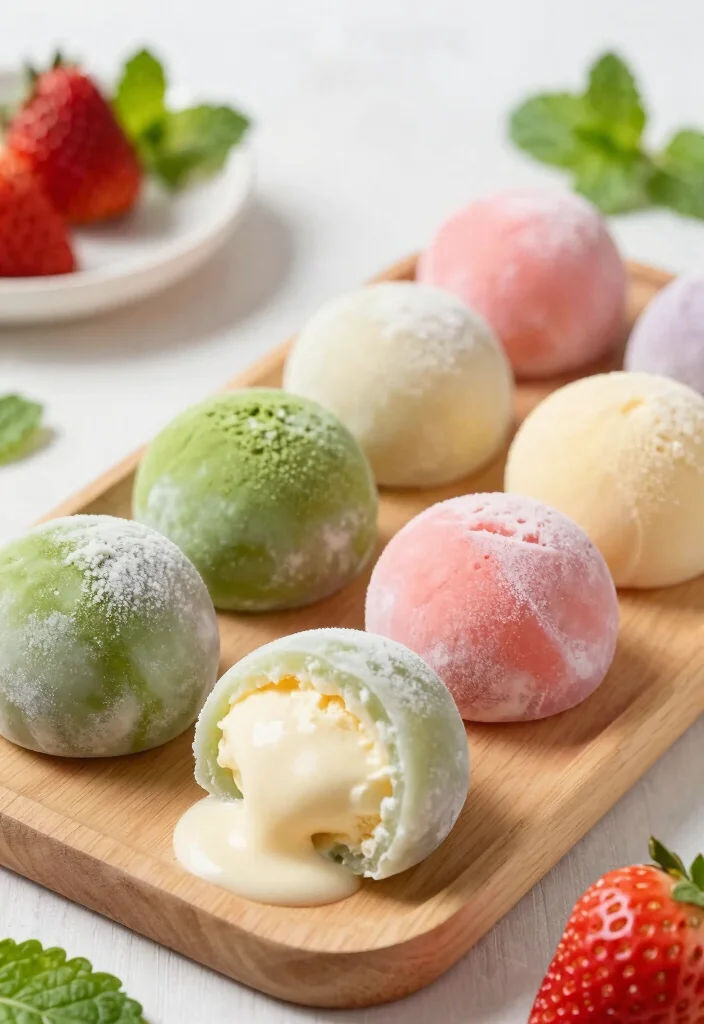
Craving a fusion of flavors? Mochi ice cream perfectly blends the chewy texture of mochi with creamy ice cream, creating a delightful dessert that’s gaining popularity worldwide. With endless flavor options, this modern treat is a fun addition to any dessert table, sure to satisfy your sweet tooth!
Ingredients:
– 1 cup glutinous rice flour
– 1/4 cup sugar
– 1/2 cup water
– 1 pint of ice cream (flavor of your choice)
– Cornstarch (for dusting)
Instructions:
1. In a bowl, mix glutinous rice flour, sugar, and water until smooth.
2. Steam the mixture for about 10 minutes until translucent.
3. Let it cool, then dust your hands with cornstarch and flatten pieces of the mochi.
4. Place a small scoop of ice cream in the center and fold the mochi around it, sealing it well.
5. Freeze for a few hours before serving.
FAQs:
– Can I make this sugar-free? Yes, with sugar substitutes.
Fun fact: Mochi ice cream is a gluten-free delight when you use glutinous rice flour—perfect for a japanese sweets recipe that everyone can enjoy. In just a few steps, you’ll roll, freeze, and serve; a crowd-pleasing fusion with endless flavor options.
17. Red Bean Soup (Zenzai)
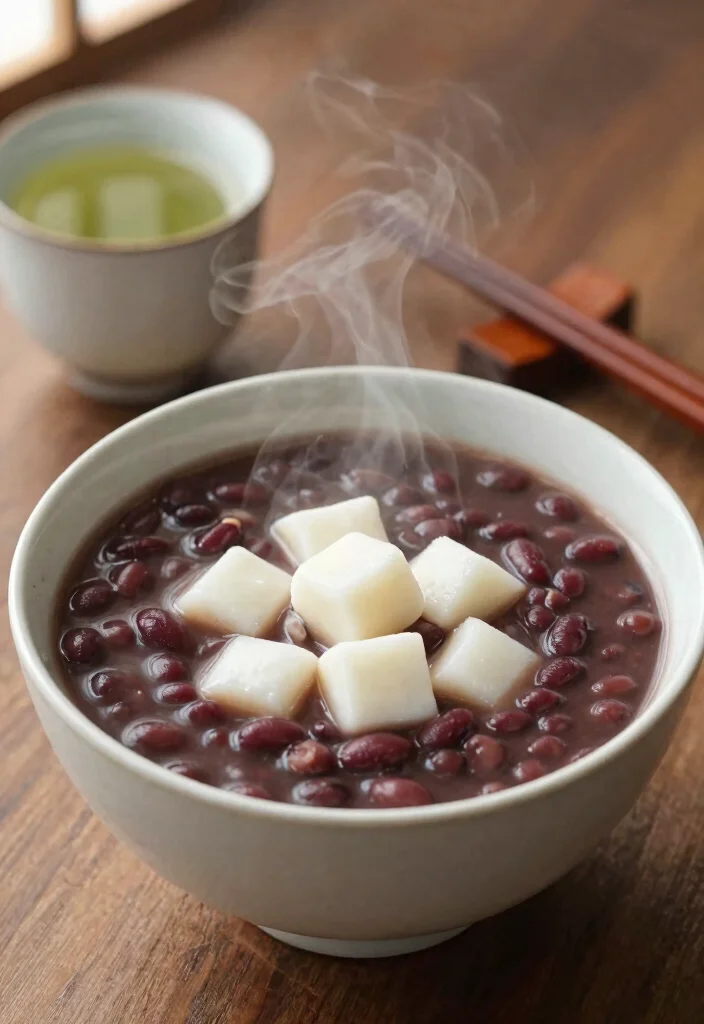
Looking for a warm and comforting dessert? Zenzai is a sweet red bean soup that’s perfect for colder months. Typically served with mochi, this rich, creamy treat brings a cozy feeling with every spoonful, making it a satisfying choice for dessert lovers.
Ingredients:
– 1 cup adzuki beans
– 4 cups water
– 1/2 cup sugar
– 1/4 teaspoon salt
– Mochi (for serving)
Instructions:
1. Soak adzuki beans in water overnight.
2. Drain and add beans to a pot with fresh water.
3. Bring to a boil, then reduce heat and simmer until soft (about 30 minutes).
4. Add sugar and salt, stirring to combine.
5. Serve warm with pieces of mochi on top.
FAQs:
– Can I make this vegan? Yes, it’s naturally vegan-friendly.


18. Shiraae (Japanese Tofu Salad)
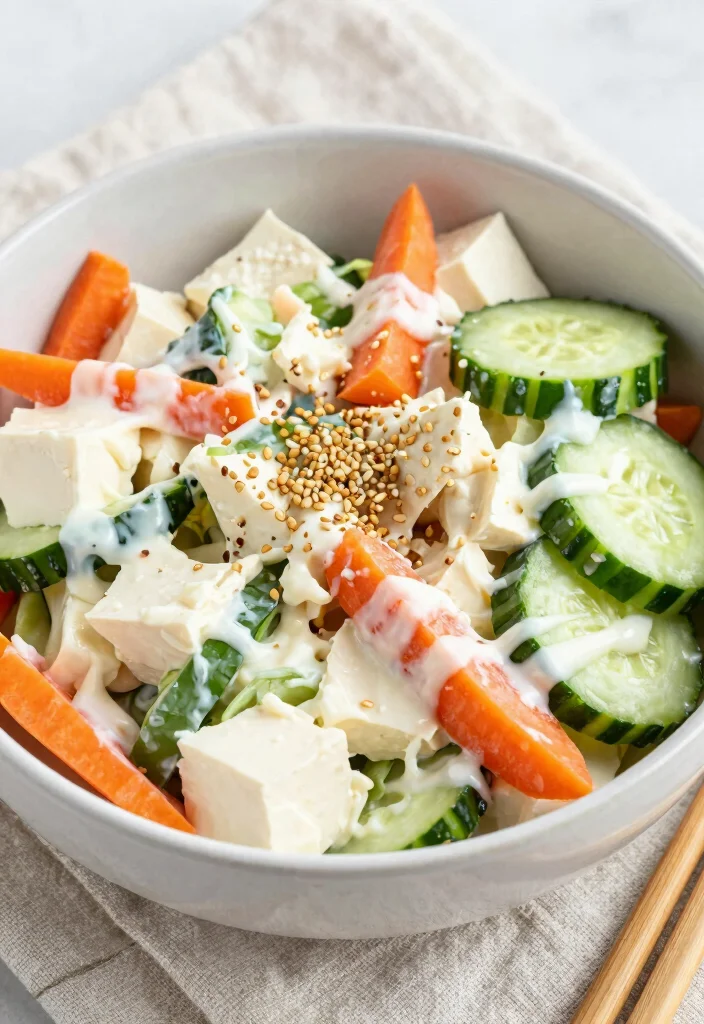
Looking for a refreshing salad to accompany your sweets? Shiraae is a light and healthy dish made with mashed tofu and assorted vegetables, dressed in a sweet and savory sauce. While not a dessert, it pairs wonderfully with Japanese sweets, providing a balanced contrast that enhances any meal.
Ingredients:
– 1 block silken tofu
– 1 cup assorted chopped vegetables (carrots, cucumbers, daikon radish)
– 2 tablespoons soy sauce
– 1 tablespoon sugar
– 1 tablespoon sesame oil
Instructions:
1. Drain and mash the silken tofu in a bowl.
2. Mix in chopped vegetables, soy sauce, sugar, and sesame oil.
3. Combine until well blended.
4. Serve chilled or at room temperature.
FAQs:
– Can I use regular tofu? Silken tofu is preferred for its creamy texture.
19. Kanten (Agar Jelly)
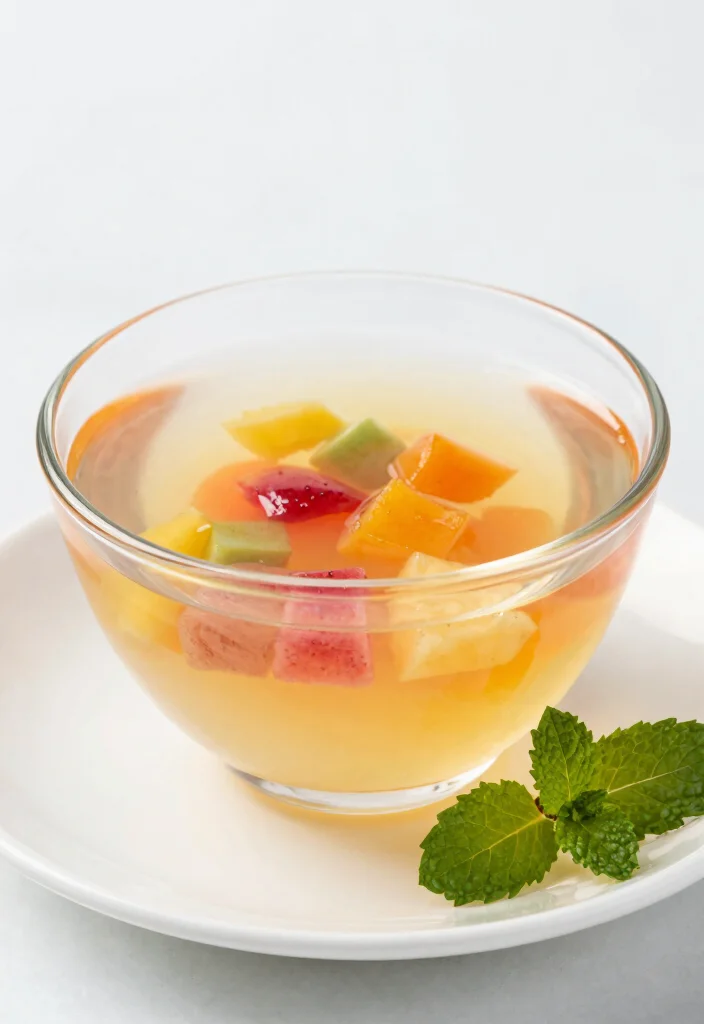
Craving a light and refreshing dessert? Kanten, or agar jelly, is made from agar-agar and often flavored with fruit juices or tea. This subtly sweet treat is perfect for hot days, and it can be served on its own or topped with fruits for a delightful presentation.
Ingredients:
– 2 cups water
– 2 tablespoons agar-agar powder
– 1/4 cup sugar
– 1/2 cup fruit juice (your choice)
Instructions:
1. Combine water and agar-agar in a saucepan; bring to a boil.
2. Stir until dissolved, then add sugar and fruit juice.
3. Pour into molds and refrigerate until set.
4. Serve chilled with fresh fruit.
FAQs:
– Is it suitable for vegans? Yes, it’s completely plant-based.
20. Kashiwa Mochi
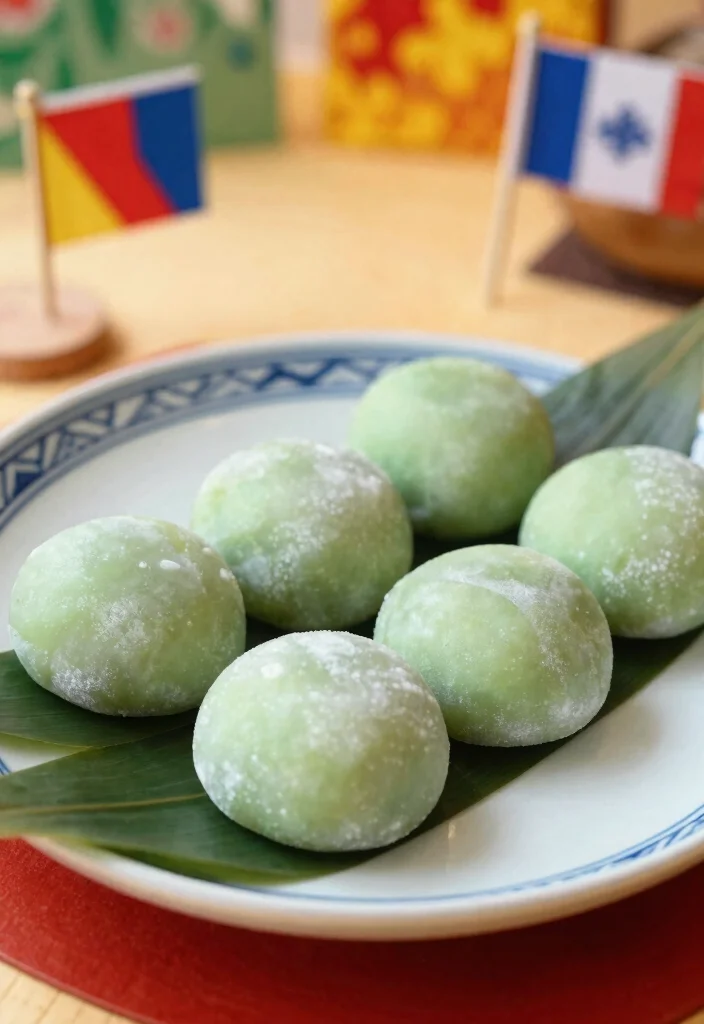
Want to enjoy a traditional sweet that’s rich in culture? Kashiwa mochi is a delightful treat made from glutinous rice flour, filled with sweet red bean paste, and wrapped in an oak leaf. This special dessert is traditionally eaten during Boys’ Day in Japan, symbolizing prosperity and strength, making it perfect for special occasions.
Ingredients:
– 1 cup glutinous rice flour
– 1/2 cup water
– 1/4 cup sugar
– 1 cup sweet red bean paste (anko)
– 8 oak leaves (washed)
Instructions:
1. In a bowl, mix glutinous rice flour, sugar, and water until smooth.
2. Steam the mixture for about 10 minutes until translucent.
3. Once cooled, shape the dough into small balls, flatten, and place a spoonful of anko in the center.
4. Wrap each piece with an oak leaf before serving.
FAQs:
– Can I use other leaves? Oak leaves are traditional but you can use other large leaves if needed.
Kashiwa Mochi
Editor’s Choice

Conclusion
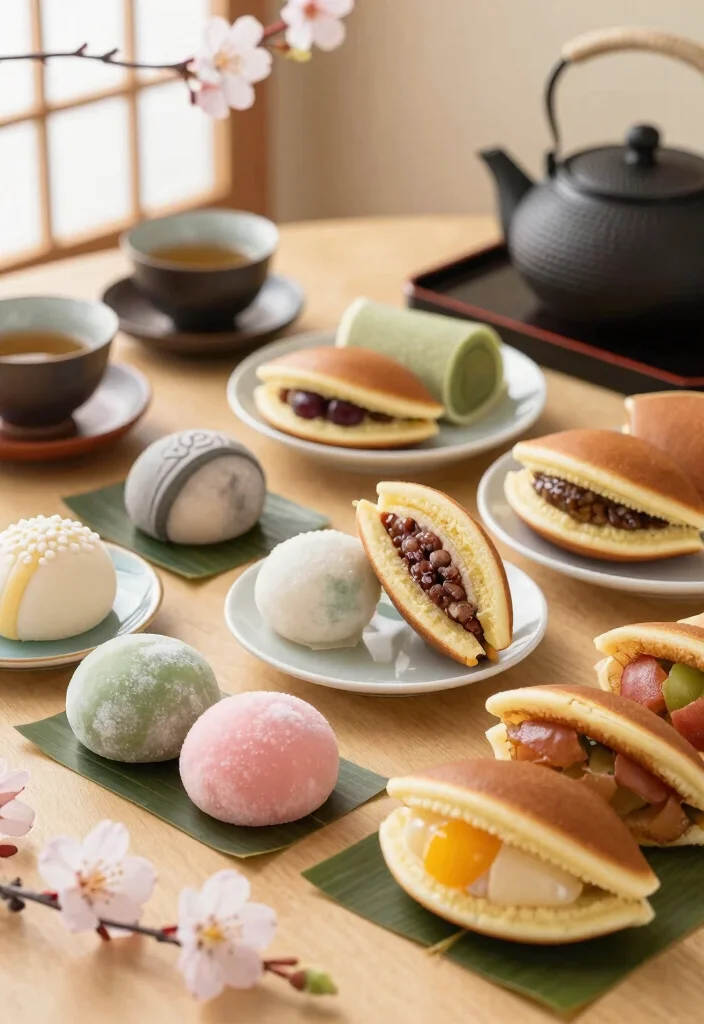
Indulging in the world of Japanese sweets opens the door to a rich tapestry of flavors, textures, and traditions. Each recipe presented showcases the versatility and creativity found in both traditional and modern Japanese confections. Whether you decide to make your own mochi or try your hand at trendy treats like mochi ice cream, these gluten-free Japanese sweets recipes are bound to impress and delight.
The journey through these treats not only satisfies your sweet tooth but also connects you to the essence of Japanese culture, making every bite a moment to cherish.
Note: We aim to provide accurate product links, but some may occasionally expire or become unavailable. If this happens, please search directly on Amazon for the product or a suitable alternative.
This post contains Amazon affiliate links, meaning we may earn a small commission if you purchase through our links, at no extra cost to you.
Frequently Asked Questions
What are some easy japanese sweets recipes that are gluten-free?
There are plenty of easy gluten-free japanese sweets recipes you can make at home. Start with homemade mochi recipes using glutinous rice flour (mochiko) or rice flour, then fill with anko (sweet red bean paste) or fresh fruit. For a gluten-free twist on classic traditional Japanese desserts, try daifuku or warabi mochi made with gluten-free starch. You can also explore modern Japanese confections like matcha mochi or yuzu jelly that use agar-agar and rice-based ingredients. In short, look for recipes labeled gluten-free, easy Japanese sweets, and homemade mochi recipes to build your gluten-free sweets repertoire.
How can I make traditional Japanese desserts gluten-free without losing flavor?
The key is swapping gluten-containing flours with rice-based options and using natural thickeners like kanten and agar. For chewy textures, use mochiko or sweet rice flour; for jelly desserts, use agar-agar or kanten. Fillings like anko are naturally gluten-free, but check store-bought paste labels. Pick toppings like sesame, sesame paste, kinako, and roasted soy flour to keep depth of flavor. Use gluten-free ingredients and you can keep the essence of traditional Japanese desserts while staying gluten-free. Pair with a cup of tea and you’re set.
What are some modern Japanese confections that are gluten-free and easy to make at home?
Try simple, gluten-free modern confections like: matcha mochi made with glutinous rice flour and green tea powder; yokan-style jelly using agar-agar and anko; yuzu jelly bites with citrus and agar; and daifuku stuffed with fresh fruit. Most of these stay gluten-free if you use gluten-free ingredients and avoid cross-contamination. Dust with potato starch before shaping to keep them from sticking, and enjoy along with popular Japanese treats.
How do I store and freeze gluten-free japanese sweets to keep them fresh?
Most gluten-free Japanese sweets are best eaten fresh, but many can be stored for later. Mochi freezes well—wrap tightly in plastic, then place in a bag or box. Thaw at room temperature or steam briefly to soften. Jelly-based confections with agar-agar can be refrigerated for 3–5 days; freeze if you must, but texture may change. Keep dusting powders like kinako or potato starch to prevent sticking, and label with date so you know when to use them.
Where can I find authentic homemade mochi recipes and how can I adapt them to gluten-free?
Look for homemade mochi recipes that use mochiko (glutinous rice flour) or other gluten-free rice flours. Mochi is naturally gluten-free, but avoid cross-contamination with gluten-containing ingredients. Use the japanese sweets recipe collection as a guide to traditional traditional Japanese desserts and then adapt: replace wheat flour with a gluten-free blend (rice flour + potato starch), and add cornstarch or agar for texture as needed. It’s a fun way to explore modern Japanese confections while keeping them gluten-free.
Related Topics