
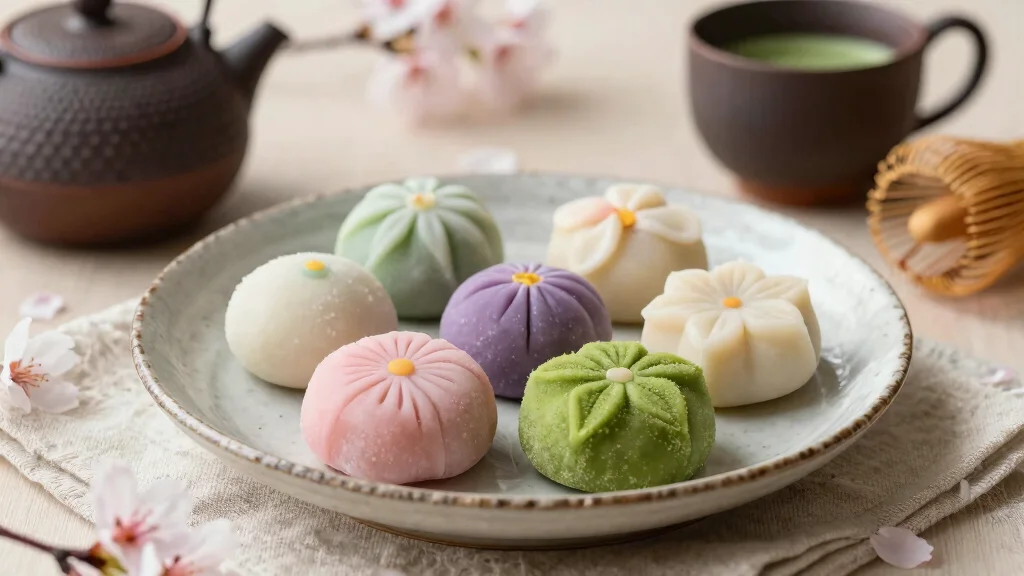
Japanese sweets, known as wagashi, have a unique charm that captivates many. With their delicate flavors, stunning presentation, and deep-rooted traditions, these treats are more than just desserts; they celebrate the seasons and culture of Japan. I created this post to share 16 traditional vegan wagashi recipes, ensuring that everyone, including those who follow a plant-based diet, can indulge in these delicious sweets. Honestly, the thought of sinking my teeth into a chewy mochi or a sweet, soft yokan has been on my mind, and I couldn’t resist putting together this delightful collection for you.
If you find joy in exploring the world of traditional Japanese desserts or are simply a fan of unique sweets, this post is tailored for you. You’ll discover an array of recipes that range from classic favorites to seasonal delights. Each recipe is crafted to highlight the beautiful ingredients and techniques that make wagashi so special. You can expect to whip up treats that are not only visually appealing but also bursting with flavor, allowing you to bring a taste of Japan into your home.
Get ready to dive into 16 mouthwatering vegan wagashi recipes that are sure to impress your friends and family. Each recipe is straightforward, perfect for both beginners and seasoned chefs alike. Not only will you satisfy your cravings, but you’ll also learn about the rich history and significance of these sweets. So grab your apron, and let’s embark on this tasty adventure together!
Key Takeaways
– Discover 16 delightful vegan wagashi recipes that cater to different tastes and occasions, from mochi to yokan.
– Learn about essential wagashi ingredients like sweet red bean paste (anko) and matcha, which elevate traditional flavors.
– Explore seasonal Japanese sweets that reflect the beauty of nature, giving you ideas for themed celebrations.
– Find practical tips on preparing classic mochi recipes and other traditional treats that are easy to follow.
– Gain insights into the cultural significance of wagashi, enhancing your appreciation of these beautiful desserts.





1. Classic Vegan Mochi
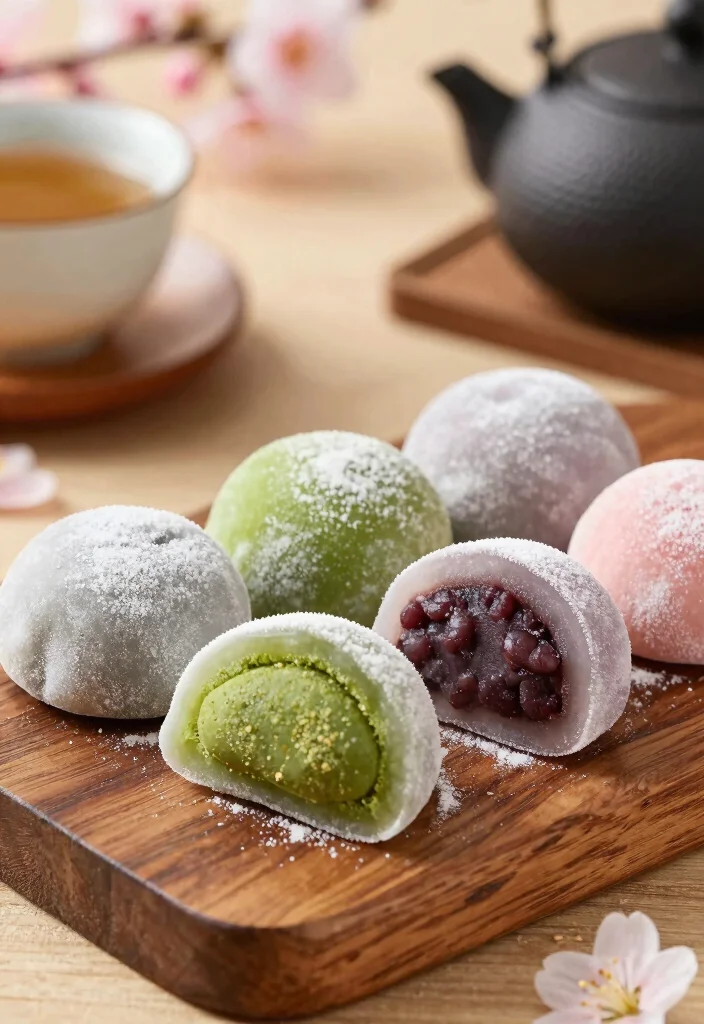
Craving a delightful treat that’s both chewy and flavorful? Vegan mochi brings the joy of traditional Japanese sweets to your table while catering to plant-based diets. With its ability to be filled with sweet red bean paste, fruits, or even vegan chocolate, this recipe offers endless possibilities and a delightful texture that will keep you coming back for more.
Enjoy the simple pleasure of making mochi at home, and relish the benefits of its gluten-free ingredients and wholesome fillings that provide a fun twist to your dessert routine.
Ingredients:
– 1 cup glutinous rice flour
– 2 tablespoons sugar
– 1/2 cup water
– Cornstarch (for dusting)
– Fillings of your choice (sweet red bean paste, fruits)
Instructions:
1. In a microwave-safe bowl, mix glutinous rice flour, sugar, and water until smooth.
2. Cover with plastic wrap and microwave for 1 minute. Stir and microwave for another minute.
3. Once slightly cooled, dust a clean surface with cornstarch and transfer the mochi dough.
4. Flatten the dough and cut into equal pieces. Fill each with your chosen filling and shape into balls.
5. Dust with more cornstarch to prevent sticking.
FAQs:
– Can I prepare mochi in advance? Yes, it’s best consumed within a couple of days but can be refrigerated.
Classic Vegan Mochi
Editor’s Choice



2. Sweet Red Bean Paste (Anko)
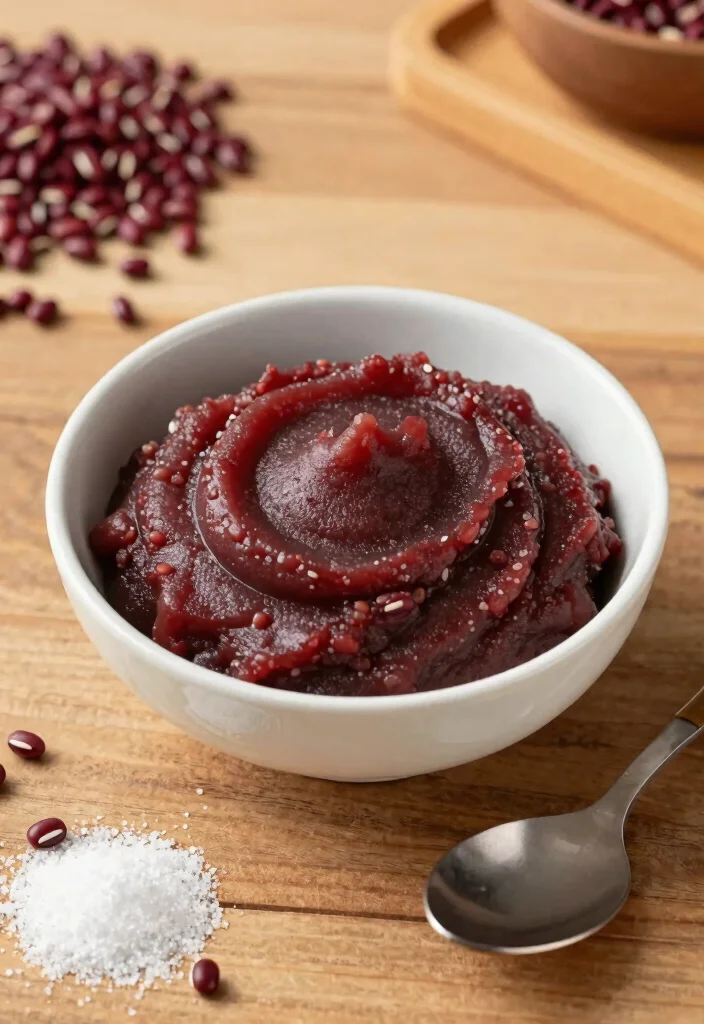
Sweet red bean paste, or anko, is a beloved staple in Japanese desserts, known for its delightful sweetness and versatility. Perfectly adaptable to vegan diets, this easy-to-make paste can be creamy or chunky, adding a rich layer of flavor to various wagashi. It’s a simple yet essential ingredient that enhances many traditional sweets, making them irresistible.
Making your own anko allows you to control the sweetness and texture, ensuring it fits perfectly into your favorite recipes.
Ingredients:
– 1 cup adzuki beans
– 3/4 cup sugar
– 1/4 teaspoon salt
Instructions:
1. Rinse adzuki beans under cold water and soak overnight.
2. Drain, place beans in a pot with fresh water, and boil before simmering until soft, about 30 minutes.
3. Drain again and return beans to the pot.
4. Add sugar and salt, cooking on low heat until thickened.
5. Mash to your desired consistency and store in an airtight container.
FAQs:
– How long does it keep? Stored in the fridge, it lasts for about a week.
Sweet Red Bean Paste (Anko)
Editor’s Choice


📹 Related Video: How to make Red Bean Paste | Anko | 豆沙






3. Matcha Daifuku
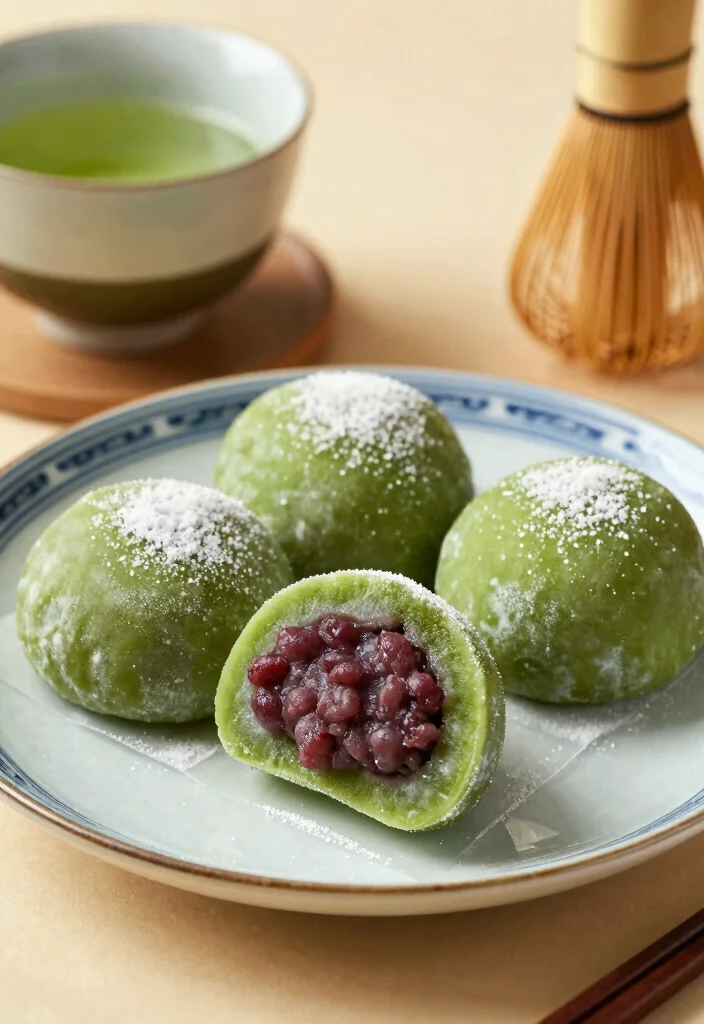
Looking for a snack that’s both chewy and packed with flavor? Matcha daifuku combines the delightful texture of mochi with the vibrant taste of matcha, a finely ground green tea powder. This unique treat not only pleases the palate but also showcases a stunning green color that’s sure to impress.
Perfect for matcha lovers, this recipe is simple to make and offers a delightful twist on traditional daifuku.
Ingredients:
– 1 cup glutinous rice flour
– 1 tablespoon matcha powder
– 1/2 cup water
– 1/4 cup sugar
– Sweet red bean paste (for filling)
Instructions:
1. In a bowl, mix glutinous rice flour, matcha powder, sugar, and water until smooth.
2. Microwave covered for 1 minute, stir, then microwave for another minute.
3. Dust a surface with cornstarch, transfer the dough, and flatten it.
4. Cut into squares, fill each with red bean paste, and fold corners to seal.
5. Dust with cornstarch before serving.
FAQs:
– Can I make these ahead of time? Yes, they can be stored in the fridge and enjoyed later.
🍰 11000 Ultimate Recipes Cookbook
Discover a treasure trove of delicious recipes, including vegan options that will tantalize your taste buds and impress your guests.
4. Sakura Mochi
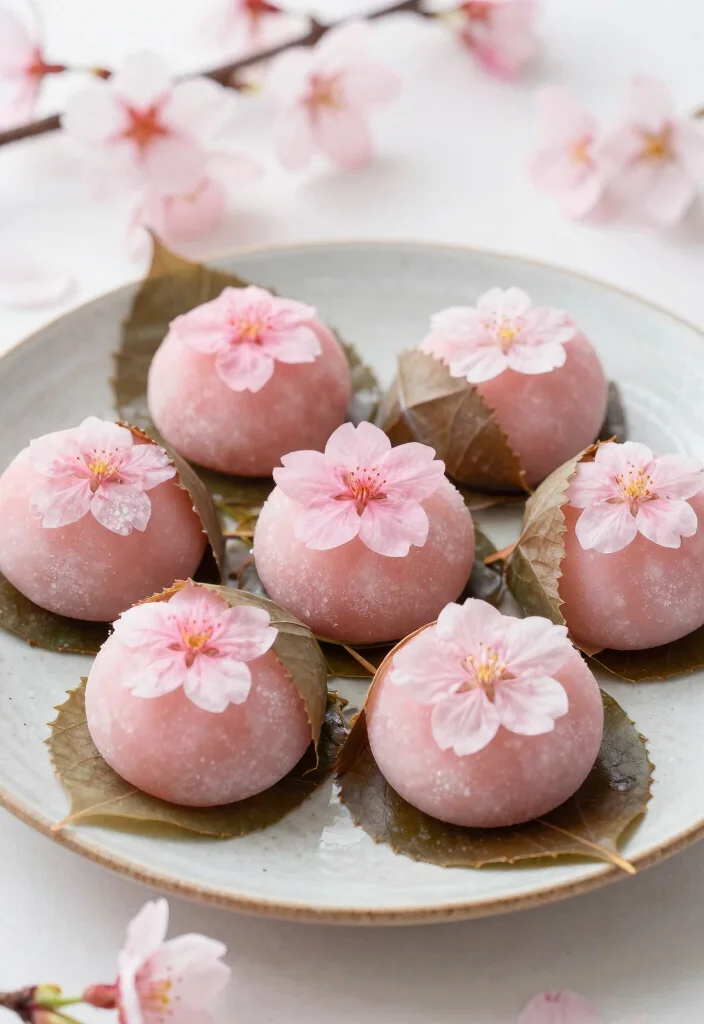
Sakura mochi is a beautiful seasonal treat that celebrates the enchanting cherry blossom season. Wrapped in a preserved cherry blossom leaf, this sweet delight features pink mochi encasing sweet red bean paste, creating a visually stunning and fragrant confection. It’s not only a treat for your taste buds but also a feast for the eyes.
Enjoying sakura mochi during cherry blossom season is a delightful way to embrace Japanese culture and flavors.
Ingredients:
– 1 cup glutinous rice flour
– 2 tablespoons sugar
– 1/2 cup water
– 1/4 cup sweet red bean paste
– Pickled cherry blossom leaves (for wrapping)
Instructions:
1. Combine glutinous rice flour, sugar, and water in a bowl until smooth.
2. Microwave covered on high for 1 minute, stir, and cook for another minute.
3. Dust a clean surface with cornstarch, transfer the dough, and flatten into circles.
4. Place a spoonful of red bean paste in the center, wrap the mochi around it, and mold into a ball.
5. Wrap each piece with a cherry blossom leaf before serving.
FAQs:
– Are the leaves edible? Yes, but you may want to remove them before eating as they can be salty.
How To Choose The Right Wagashi Ingredients
When creating traditional Japanese sweets, or wagashi, it’s essential to select the right ingredients. The quality and type of ingredients you use will significantly impact the flavor, texture, and appearance of your treats. Here’s how to choose the best wagashi ingredients for your vegan sweets:
1. Type of Sweet Bean Paste
Sweet bean paste, or anko, is a key ingredient in many wagashi recipes. There are two main types: red bean paste (koshian) and white bean paste (shiroan). Red bean paste has a rich, earthy flavor, while white bean paste is milder and sweeter. For vegan recipes, choose a paste that aligns with your desired flavor profile. When making your own, opt for organic beans for the best taste.
2. Rice Flour vs. Glutinous Rice Flour
Rice flour is commonly used in making mochi and other wagashi. For a chewier texture, use glutinous rice flour (mochi flour) instead. This type of flour gives a delightful chewiness that enhances the overall eating experience. If gluten-free baking is your goal, ensure that the rice flour you select is labeled gluten-free to avoid cross-contamination.
3. Natural Sweeteners
Traditional wagashi often uses refined sugars, but you can substitute them with natural sweeteners for vegan recipes. Options like maple syrup, agave nectar, or coconut sugar can lend unique flavors and are often healthier. Experiment to find the right balance of sweetness without overwhelming the delicate flavors of the other ingredients.
4. Fresh Ingredients
When making seasonal Japanese sweets, using fresh ingredients can enhance the taste and presentation of your wagashi. Look for seasonal fruits or flowers, like sakura (cherry blossoms) for spring, to incorporate into your recipes. Fresh ingredients not only add flavor but also contribute beautiful colors and textures to your sweets.
5. Quality of Matcha
If your wagashi recipe calls for matcha, the quality of the matcha powder is crucial. Look for ceremonial-grade matcha for the best flavor and vibrant green color. Lower grades may taste more bitter and lack the rich aroma that high-quality matcha provides. Store matcha in a cool, dark place to preserve its freshness.
6. Specialty Ingredients
Many traditional wagashi recipes may call for specialty ingredients, such as agar-agar (a vegan gelatin substitute) or kinako (roasted soybean flour). Ensure you have these on hand if your recipes require them. Check local Asian grocery stores or online shops for authentic ingredients to achieve that true wagashi flavor.
Pro Tip: Start by sourcing high-quality basic ingredients. This will make a significant difference in your wagashi, regardless of the specific recipe you choose to follow. Don’t hesitate to experiment with different types of sweeteners and flours to find what you enjoy most!
Understanding these factors will help you select the best ingredients for your vegan wagashi creations. Enjoy the process of making traditional Japanese sweets, discover flavors that resonate with you, and impress your friends and family with your delicious handmade treats!





5. Yatsuhashi (Cinnamon Mochi)
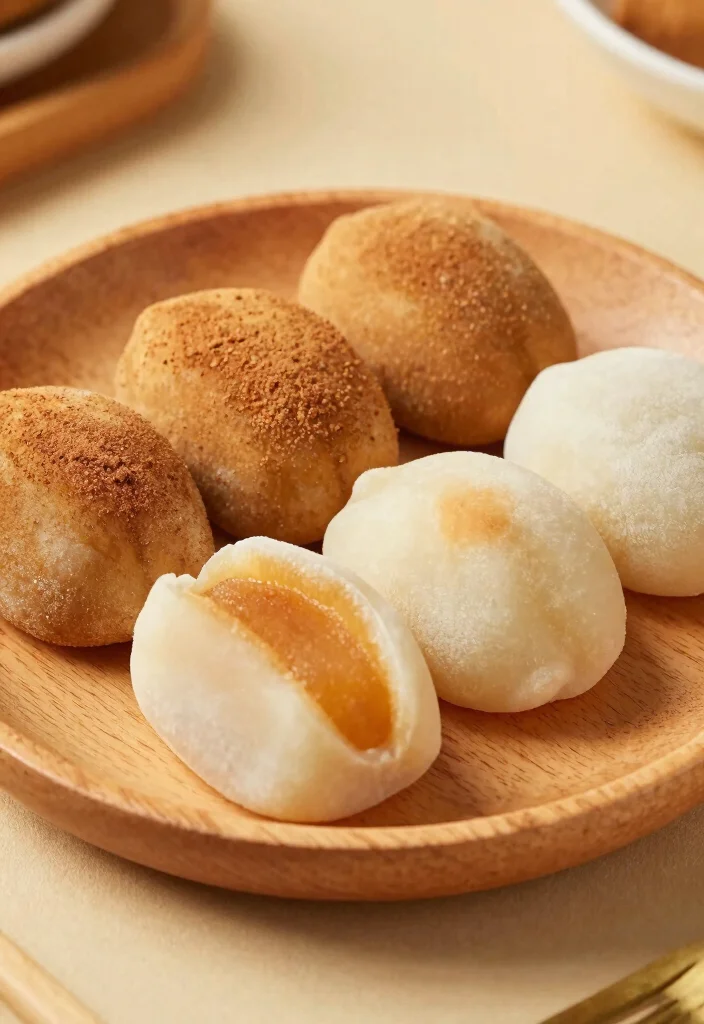
If you’re looking for a unique treat that combines chewy texture with warm spices, yatsuhashi is the perfect choice. This traditional sweet from Kyoto infuses cinnamon into the mochi, creating a comforting flavor that’s both nostalgic and delicious. This vegan version is versatile, allowing you to enjoy it either as a chewy snack or a crispy baked treat.
Yatsuhashi is a delightful way to indulge your sweet tooth while enjoying the unique flavors of Kyoto.
Ingredients:
– 1 cup glutinous rice flour
– 1/4 cup sugar
– 1 teaspoon cinnamon
– 1/2 cup water
– Cornstarch (for dusting)
Instructions:
1. Mix glutinous rice flour, sugar, cinnamon, and water in a bowl until smooth.
2. Microwave the mixture for 1 minute, stir, and microwave for another minute.
3. Dust a surface with cornstarch, transfer the dough, and cut into pieces.
4. Shape the pieces as desired; they can be left chewy or baked for a crispy texture.
5. Store in an airtight container after cooling.
FAQs:
– How do I store these? Keep them in an airtight container to maintain freshness.


6. Koya Tofu Sweets
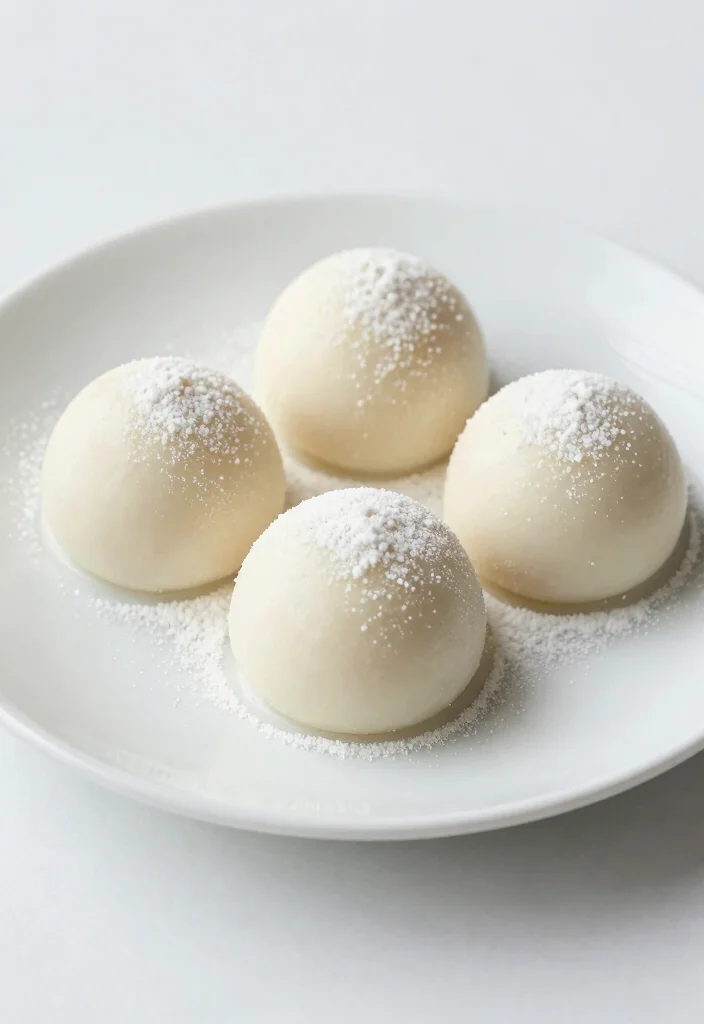
Discover the unexpected delight of koya tofu, a freeze-dried tofu that adds a unique flavor and protein to desserts. In this recipe, it’s blended with sweeteners to create a creamy and delicious wagashi that’s perfect for those looking to explore new flavors. This lesser-known sweet offers a fascinating twist on traditional Japanese treats.
Making koya tofu sweets is a fun way to incorporate plant-based ingredients into your desserts while enjoying a delightful texture.
Ingredients:
– 1 cup koya tofu (rehydrated)
– 2 tablespoons sugar
– 1/4 cup sweet red bean paste
– Optional: matcha powder for color
Instructions:
1. Rehydrate koya tofu in warm water, then drain and pat dry.
2. Blend the tofu with sugar until smooth.
3. Divide the mixture; keep one part plain or mix in matcha for color.
4. Shape the mixture into small balls or squares.
5. Roll in cornstarch and refrigerate.
FAQs:
– Can I substitute regular tofu? Koya tofu has a unique texture, so the result will differ.





7. Vegan Kashiwa Mochi (Oak Leaf Mochi)
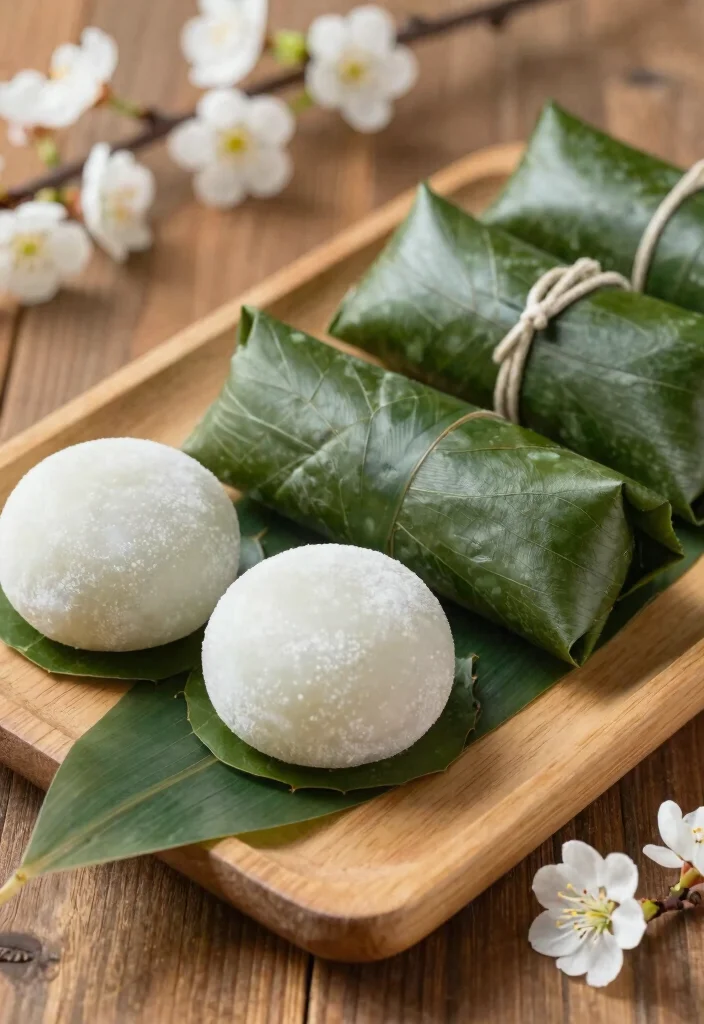
Kashiwa mochi is a traditional Japanese sweet, symbolizing strength and celebrated during Children’s Day. This vegan version maintains the cultural significance while offering a delicious treat filled with sweet red bean paste, wrapped in oak leaves. It’s a meaningful and tasty way to enjoy Japanese traditions.
Making kashiwa mochi at home allows you to share this cultural delight with family and friends while savoring its unique flavors.
Ingredients:
– 1 cup glutinous rice flour
– 2 tablespoons sugar
– 1/2 cup water
– Sweet red bean paste (for filling)
– Fresh or preserved oak leaves (for wrapping)
Instructions:
1. Combine glutinous rice flour, sugar, and water until smooth.
2. Microwave for 1 minute, stir, and cook for another minute.
3. Dust a surface with cornstarch, transfer the dough, and shape into rounds.
4. Fill with red bean paste and seal securely.
5. Wrap each piece in an oak leaf and place in the fridge to set.
FAQs:
– Can I use other leaves? Oak leaves are traditional, but you can experiment with others!
Fun fact: Kashiwa mochi is tied to Children’s Day on May 5, and the oak leaves symbolize strength. This vegan version keeps the tradition alive with sweet red bean paste inside.





8. Hanami Dango (Flower Viewing Dumplings)
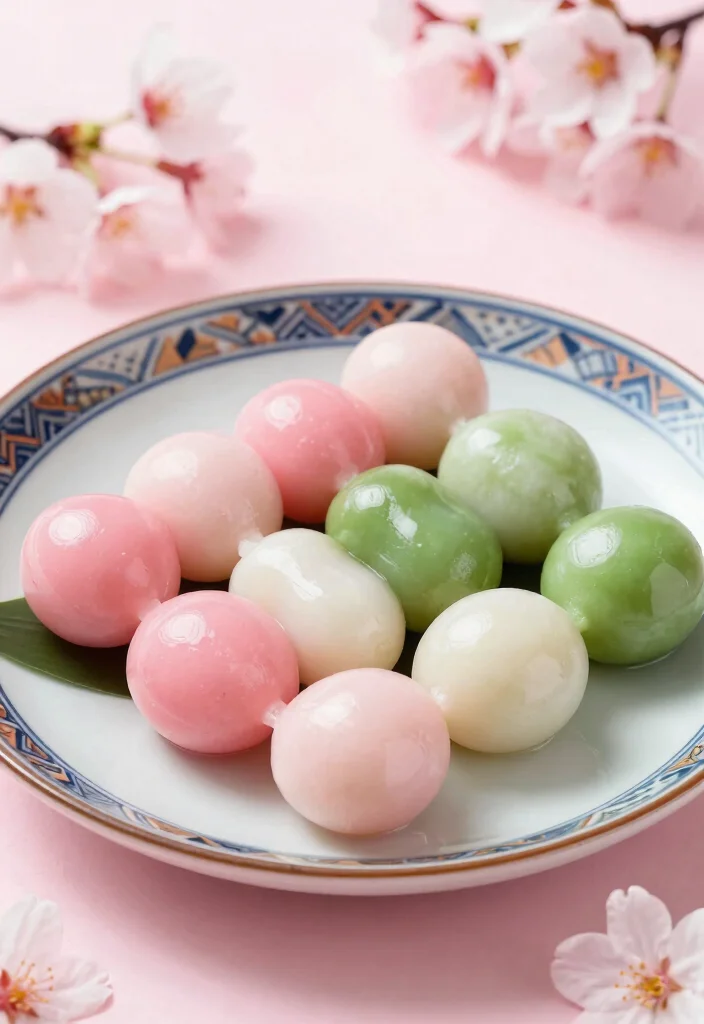
Hanami dango are colorful rice dumplings enjoyed during cherry blossom viewing festivals. These delightful treats come in vibrant pink, white, and green colors, symbolizing the arrival of spring and adding a visual feast to any occasion. Not only are they beautiful, but they also offer a delightful chewy texture that’s hard to resist.
Making hanami dango at home is a fun way to celebrate the beauty of spring while enjoying a delicious treat.
Ingredients:
– 1 cup glutinous rice flour
– 1/4 cup sugar
– Food coloring (pink and green)
– Water
Instructions:
1. Divide the rice flour into three bowls. Add different food coloring to each for pink, white, and green.
2. Gradually mix in water and sugar until a dough forms.
3. Shape the dough into small balls and steam for about 10 minutes.
4. Let cool slightly before serving.
FAQs:
– Can these be made ahead of time? Yes, but they’re best enjoyed fresh!
9. Shiroan (White Bean Paste)
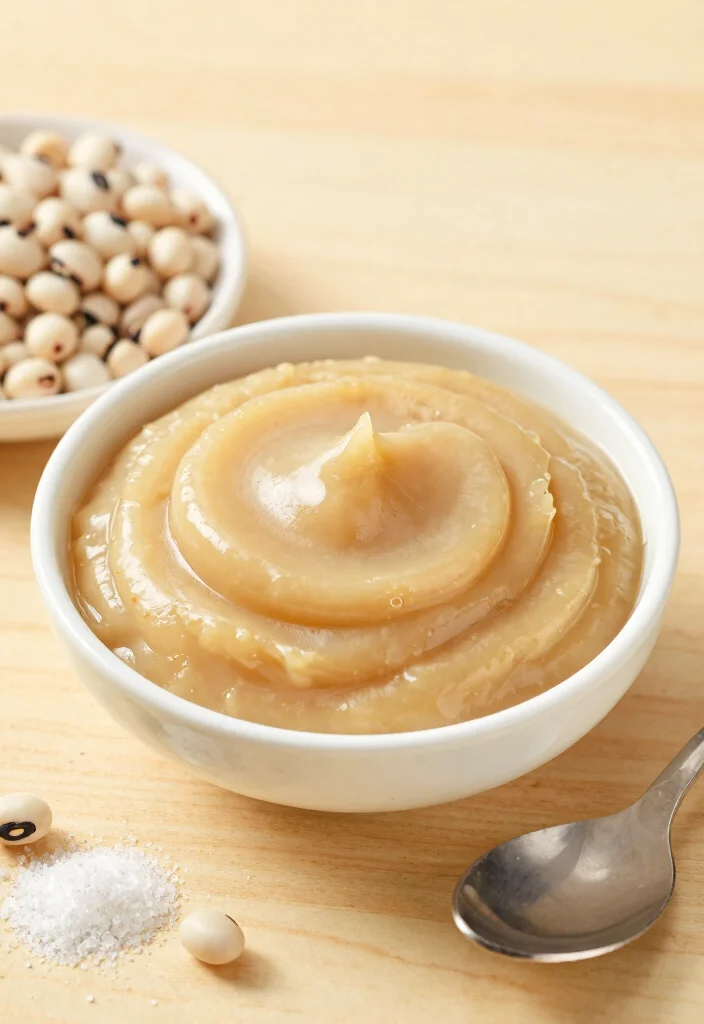
Shiroan is a smooth white bean paste that serves as a versatile base for many Japanese sweets. This subtly sweet paste has a creamy texture, making it a perfect filling or topping for mochi and other desserts. By making your own shiroan, you can enjoy its delightful flavor and creamy consistency in your favorite recipes.
This recipe is an easy way to incorporate a traditional Japanese ingredient into your dessert repertoire.
Ingredients:
– 1 cup white azuki beans
– 1/2 cup sugar
– 1/4 teaspoon salt
Instructions:
1. Rinse the beans and soak them overnight.
2. Drain and cook the beans in fresh water until soft, about 30 minutes.
3. Drain again and blend the beans with sugar and salt until smooth.
4. Use in your favorite wagashi recipes or serve as a topping.
FAQs:
– How long does it keep? It can be refrigerated for about a week.
10. Dorayaki (Vegan Pancake Sandwich)

Dorayaki is a beloved Japanese snack featuring two fluffy pancakes filled with sweet red bean paste. This vegan version preserves the light and fluffy texture while ensuring the filling remains delectably sweet and plant-based. Dorayaki makes for an easy-to-make and satisfying dessert that everyone will love.
Enjoying dorayaki is a delightful way to experience Japanese flavors in a fun, portable format.
Ingredients:
– 1 cup flour
– 1 tablespoon sugar
– 1/2 teaspoon baking powder
– 1 cup almond milk
– Sweet red bean paste (for filling)
Instructions:
1. In a bowl, mix flour, sugar, and baking powder.
2. Gradually stir in almond milk until smooth.
3. Heat a non-stick pan over medium heat and pour in batter to form pancakes.
4. Cook until bubbles form, then flip and cook until golden.
5. Once cooled, sandwich two pancakes with red bean paste in between.
FAQs:
– Can I freeze dorayaki? Yes, they freeze well; just ensure they are stored in an airtight container.


11. Tofu Sweets with Seasonal Fruits

Tofu is surprisingly versatile in sweet dishes, especially when paired with fresh seasonal fruits. This recipe highlights silken tofu, creating a creamy dessert that beautifully complements various fruit flavors. Not only is this dish refreshing, but it also offers a healthy option for satisfying your sweet cravings.
Making tofu sweets is an exciting way to enjoy seasonal produce while indulging your sweet tooth.
Ingredients:
– 1 cup silken tofu
– 2 tablespoons maple syrup
– 1 teaspoon vanilla extract
– Seasonal fruits (strawberries, peaches, etc.)
Instructions:
1. Blend silken tofu, maple syrup, and vanilla extract until smooth.
2. Chill the mixture in the refrigerator for a few minutes.
3. Serve topped with your choice of fresh seasonal fruits.
FAQs:
– Can I replace maple syrup? Agave syrup works well as a substitute!
Fun fact: silken tofu blends into a creamy base that lets seasonal fruits shine in japanese sweets wagashi desserts. With a vegan twist, you can make tofu sweets that feel indulgent yet light—perfect for honoring the flavors of each season.
Tofu Sweets with Seasonal Fruits
Editor’s Choice



12. Vegan Yokan (Jelly Dessert)
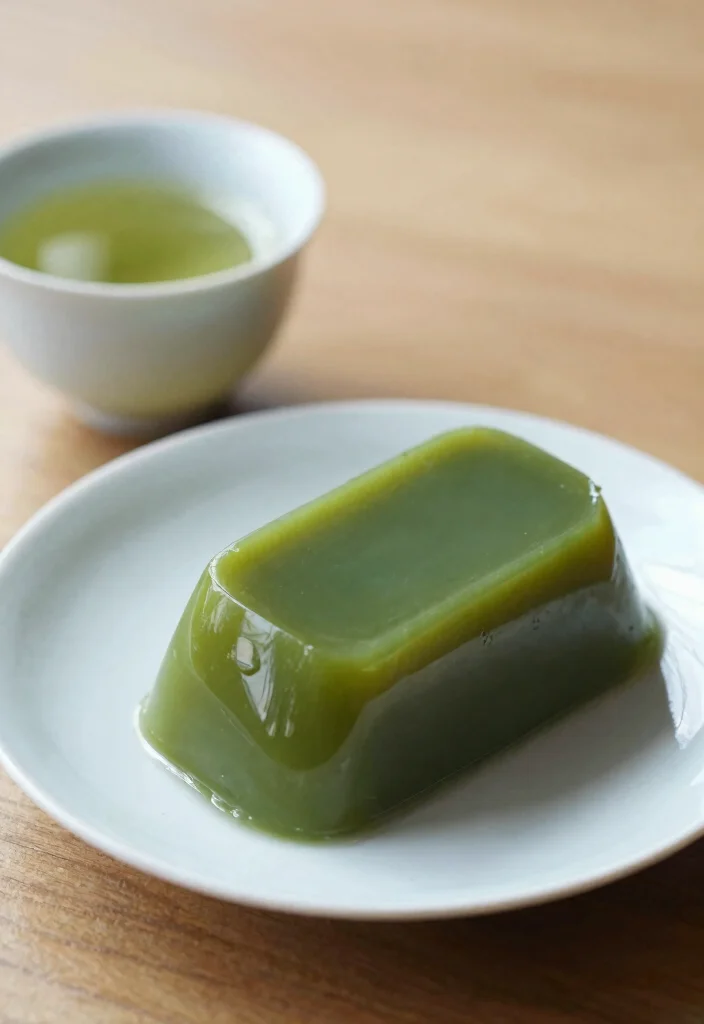
Yokan is a traditional Japanese jelly dessert made from sweetened bean paste, often enjoyed during tea ceremonies. This vegan version uses agar-agar instead of gelatin, creating a refreshing and satisfying plant-based treat. Yokan is a delightful way to indulge in a unique dessert that’s both satisfying and easy to make.
Crafting your own yokan allows you to explore the delicate flavors of this traditional sweet while keeping it completely plant-based.
Ingredients:
– 1 cup sweet red bean paste
– 1 tablespoon agar-agar
– 1/2 cup water
– 1/2 cup sugar
Instructions:
1. In a pot, combine agar-agar and water, bringing it to a boil until dissolved.
2. Add sweet red bean paste and sugar, stirring until smooth.
3. Pour the mixture into a mold and let it cool until set.
4. Cut into pieces and serve chilled.
FAQs:
– How long does yokan last? It can last in the fridge for about a week.
Fun fact: With agar-agar, vegan yokan sets in minutes—just heat, pour, and chill for 1–2 hours. No gelatin needed, yet you keep the delicate Japanese wagashi flavors. A plant-based treat that tastes luxurious and easy to share with friends.
13. Fragrant Goma Dofu (Sesame Tofu)
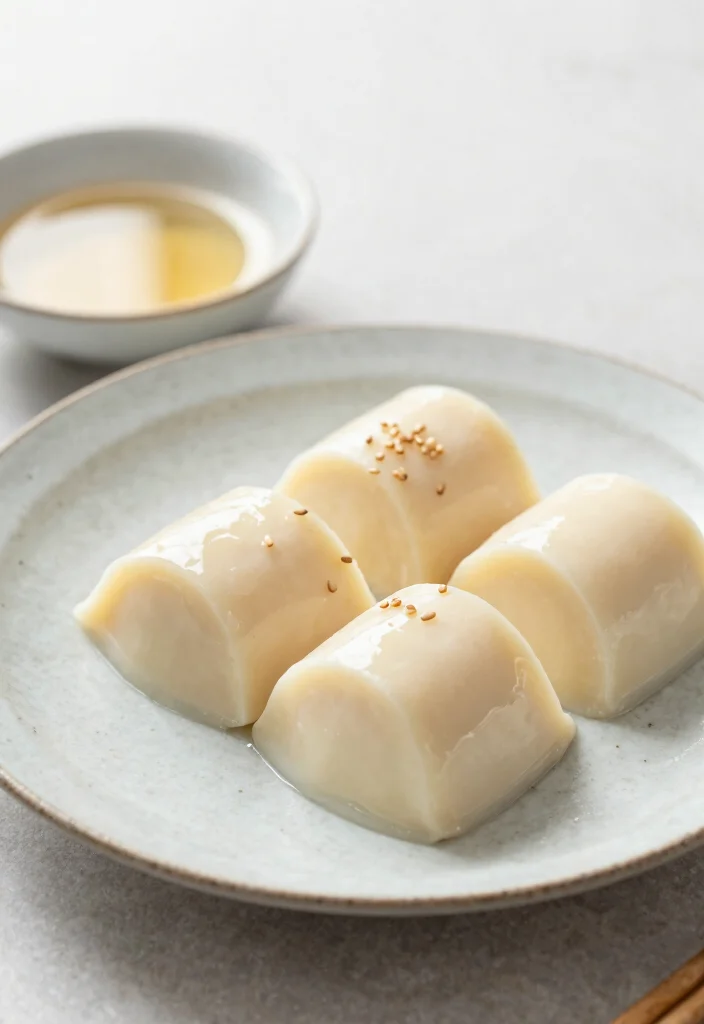
Goma dofu is a unique sweet made from sesame that provides an interesting twist to traditional desserts. This vegan version highlights the rich, nutty flavor of sesame, resulting in a creamy and indulgent option that’s also healthy. It’s a delightful treat that showcases the versatility of sesame in Japanese sweets.
Making goma dofu is a fun way to explore new flavors while enjoying a nutritious dessert option.
Ingredients:
– 1 cup sesame paste
– 1 cup water
– 1/4 cup sugar
– 1 tablespoon agar-agar
Instructions:
1. In a pot, mix sesame paste, water, sugar, and agar-agar.
2. Bring to a boil while stirring until the agar is dissolved.
3. Pour the mixture into a mold and let it cool until set.
4. Cut into pieces and serve with a sprinkle of sesame seeds.
FAQs:
– Is goma dofu suitable for diabetics? It’s best to consult with a healthcare provider for specific dietary needs.
Fragrant Goma Dofu (Sesame Tofu)
Editor’s Choice


14. Vegan Kinako (Roasted Soybean Flour) Sweets

Kinako is roasted soybean flour that adds a delightful nutty flavor and unique texture to Japanese sweets. This vegan recipe blends kinako with sugar to create a tasty coating for mochi or can be shaped into small balls for a quick snack. It’s a simple yet satisfying way to incorporate traditional ingredients into your home cooking.
Enjoying kinako sweets is a fantastic way to indulge in unique flavors while treating yourself to a wholesome snack.
Ingredients:
– 1 cup glutinous rice flour
– 1/4 cup kinako
– 2 tablespoons sugar
– Water (as needed)
Instructions:
1. Mix glutinous rice flour with enough water to form a dough.
2. Steam the dough for 15 minutes, then let it cool.
3. Once cooled, cut into pieces and roll in kinako and sugar mixture.
4. Shape into balls or keep as flat pieces.
FAQs:
– Can I make this ahead of time? Yes, but they’re best enjoyed fresh!



15. Vegan Fruit Mochi

If you’re looking for a fun and fresh dessert, fruit mochi combines the chewy goodness of mochi with the bright flavors of seasonal fruits. This vegan recipe wraps simple ingredients around pieces of fruit, creating a delightful twist on traditional wagashi. It’s a beautiful and tasty way to enjoy fruit while indulging in the unique texture of mochi.
Making fruit mochi is a creative way to explore different flavor combinations while enjoying a satisfying treat.
Ingredients:
– 1 cup glutinous rice flour
– 1/2 cup water
– 2 tablespoons sugar
– Slices of fresh seasonal fruits (strawberries, mango, etc.)
Instructions:
1. Combine glutinous rice flour, sugar, and water in a bowl until smooth.
2. Microwave covered for 1 minute, stir, then cook for another minute.
3. Dust a surface with cornstarch, transfer the dough, and cut into squares.
4. Place fruit slices in the center and wrap the dough around them.
5. Dust with cornstarch and enjoy!
FAQs:
– Can I use frozen fruit? Fresh fruit provides the best texture and flavor.




16. Vegan Mitarashi Dango (Sweet Soy Sauce Dumplings)

Mitarashi dango are delightful skewered rice dumplings glazed with a sweet soy sauce, offering a unique blend of sweet and savory flavors. This vegan version keeps the authentic taste while ensuring it remains completely plant-based. These dumplings make for a delicious snack or dessert that’s perfect for sharing.
Making mitarashi dango is a fun way to enjoy traditional flavors while treating yourself to a satisfying sweet.
Ingredients:
– 1 cup glutinous rice flour
– 1/2 cup water
– 2 tablespoons soy sauce
– 2 tablespoons sugar
Instructions:
1. Mix glutinous rice flour and water to form a dough.
2. Shape the dough into small balls and steam for about 10 minutes.
3. In a small pot, combine soy sauce and sugar, heating until dissolved.
4. Skewer the dumplings and brush with the soy sauce glaze before serving.
FAQs:
– Can I make these in advance? Yes, but they are best enjoyed fresh and warm!
Vegan Mitarashi Dango (Sweet Soy Sauce Dumplings)
Editor’s Choice

Conclusion
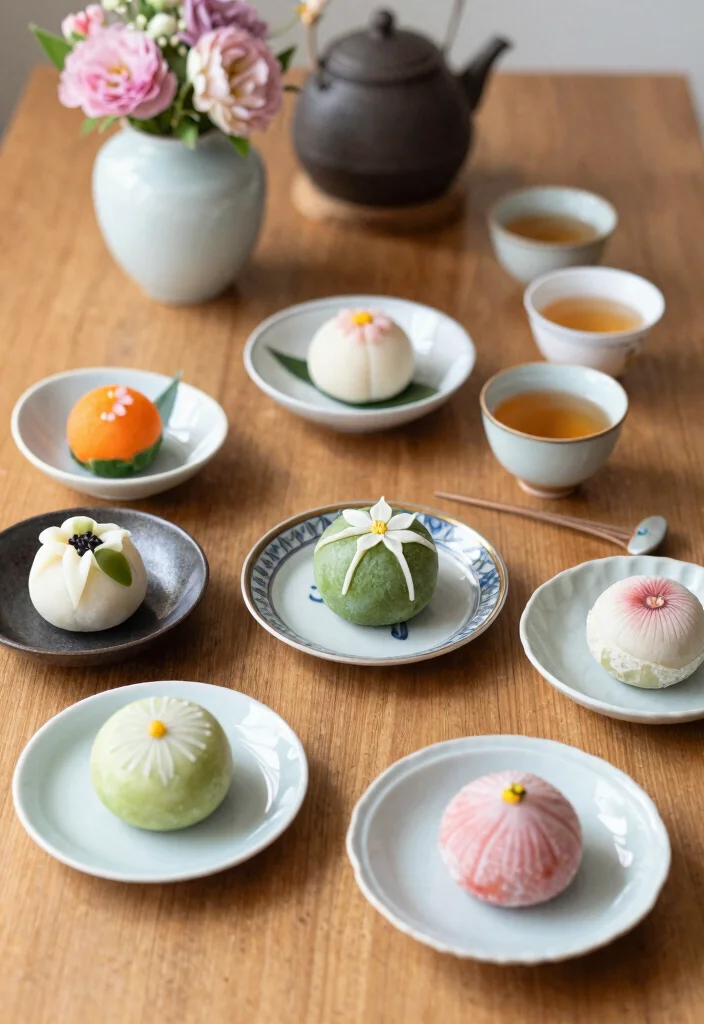
The world of traditional Japanese wagashi is bursting with flavors and creativity, and with these vegan recipes, you can enjoy the rich culinary heritage of Japan without compromising your dietary choices. From chewy mochi to delightful sweet pastes, each recipe invites you to explore new tastes while celebrating the beauty of seasonal ingredients. Whether you’re sharing these treats with friends or savoring them alone, they bring a touch of elegance and authenticity to any occasion.
Let the art of wagashi inspire your next dessert endeavor, and don’t forget to share your creations with others who appreciate the beauty of these traditional sweets!
Note: We aim to provide accurate product links, but some may occasionally expire or become unavailable. If this happens, please search directly on Amazon for the product or a suitable alternative.
This post contains Amazon affiliate links, meaning we may earn a small commission if you purchase through our links, at no extra cost to you.
Frequently Asked Questions
Question: What exactly are wagashi, and how can vegan japanese wagashi be made at home?
Wagashi are traditional Japanese confections crafted to pair with tea and celebrate the seasons, often featuring delicate textures and natural flavors.
Vegan japanese wagashi use plant-based ingredients such as glutinous rice flour, sweet bean paste, agar-agar, and kinako, so you can enjoy japanese sweets wagashi without dairy or eggs.
Common components across the 16 traditional recipes include azuki bean paste, mochi, kanten (agar), and rice flour, all of which can be prepared vegan.
Tip: always check ingredients for animal-derived additives and opt for wagashi ingredients that are clearly vegan.
Question: Which vegan wagashi from the article are easiest to make at home?
For beginners, mochi-based sweets and simple anko-filled treats are the easiest to master.
Try shaping mochi from glutinous rice flour or buying ready-made mochi, then fill with sweet bean paste (anko) or dust with kinako for extra flavor.
These align with mochi recipes and sweet bean paste recipes, and they stay vegan with minimal equipment.
As you gain confidence, you can explore more complex wagashi while keeping it vegan.
Question: How can I substitute traditional wagashi ingredients to keep them vegan without losing flavor?
Start with the basics: swap any dairy or gelatin with plant-based options like agar-agar or kanten for gels, and use coconut milk or almond milk instead of dairy.
Choose vegan-friendly paste options such as red bean paste and glossy rice flour doughs to maintain the classic textures you love in japanese sweets wagashi.
Also watch sugar sources and prefer vegan-certified wagashi ingredients to keep every bite vegan.
Experiment with matcha, sesame, and kinako to add flavor without compromising vegan integrity.
Question: What seasonal Japanese sweets are great to make with vegan ingredients?
Seasonal Japanese sweets shine when you use fresh, in-season ingredients like sakura in spring, chestnuts in autumn, or yuzu in winter.
Try vegan sakura mochi, chestnut kuri manju, or matcha yokan using seasonal Japanese sweets ingredients and wagashi ingredients that are plant-based.
Many of the 16 recipes can be adapted by swapping fillings or toppings with seasonal fruits, beans, or powders while staying vegan and delicious.
Question: How should I store and serve vegan wagashi to keep texture and flavor at their best?
Freshness is key with wagashi, so store unassembled components separately if possible and assemble just before serving.
Store mochi and soft gel desserts in airtight containers in the refrigerator for up to 2 days, wrapped to prevent drying, and re-steam or lightly toast if needed to restore texture.
For softer fillings like red bean paste, keep them refrigerated and portion as you go. Serve with green tea for the best pairing, and enjoy the japanese sweets wagashi experience at its vegan best.
Related Topics