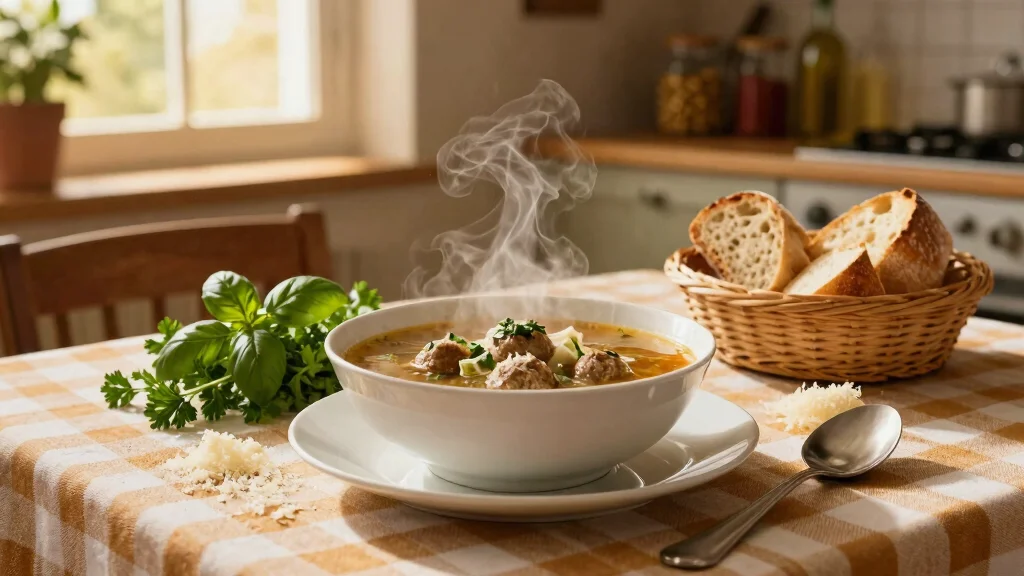

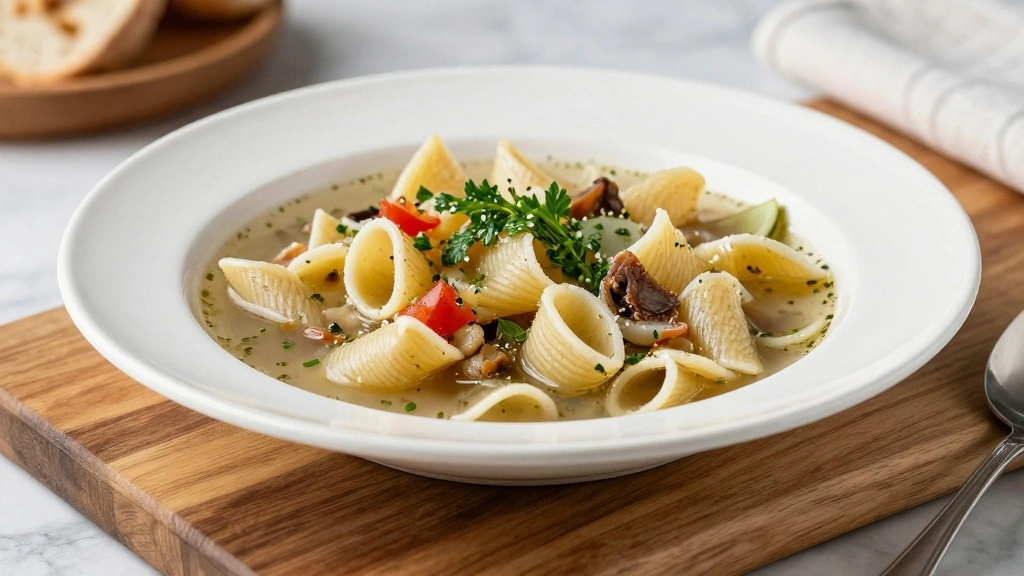
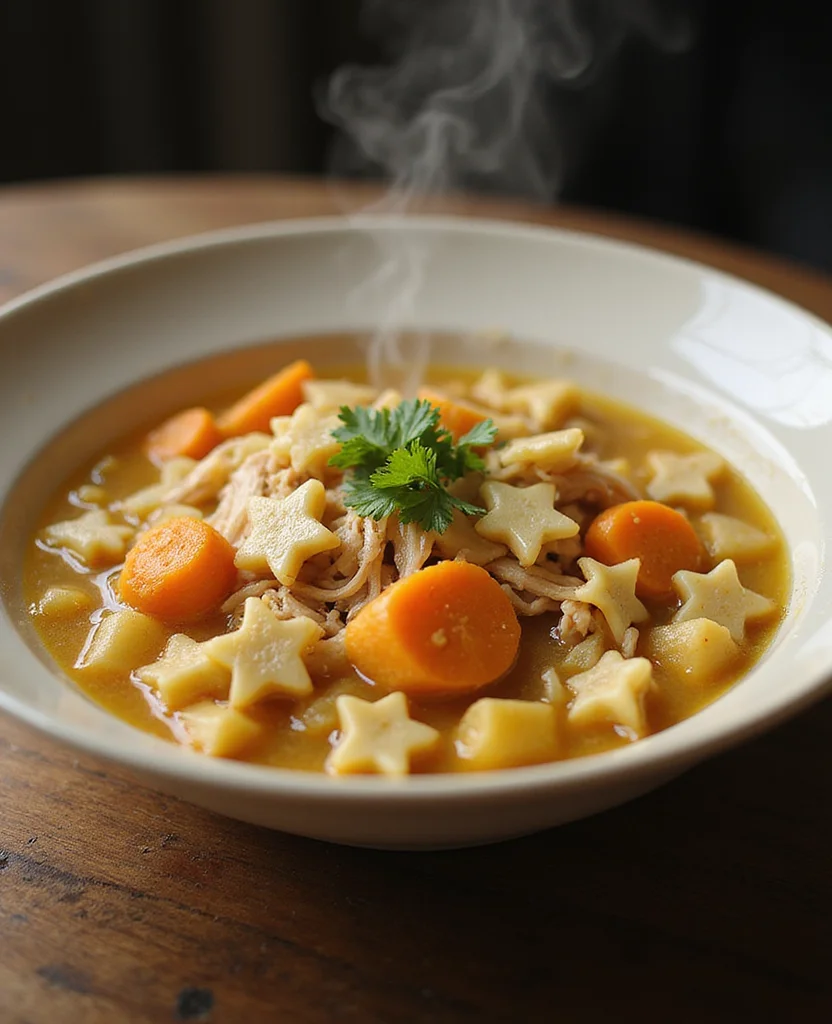
Pastina Soup, often lovingly called Italian Penicillin, is the quintessential comfort food for many Italian families.
Its gentle warmth and subtle flavors are like a cozy hug, perfect for chilly days or when you’re feeling under the weather.
This traditional dish is celebrated for its simplicity, relying on high-quality ingredients to create a nourishing bowl of goodness.
I first encountered this soup during a winter trip to Italy, where its steaming aroma filled the air in every home I visited.
Whether served as a starter or a main meal, Pastina Soup brings a touch of love and heritage to your table.
The History and Cultural Significance
• Pastina Soup Italian traces its origins to the southern regions of Italy, where it was originally created by home cooks using leftover pasta and simple ingredients.
• The dish evolved over decades as pastina became widely available, eventually becoming the beloved version we know today.
• In Italian culture, this dish traditionally appears at family gatherings and during times of illness, symbolizing nourishment and care.
• While many variations exist across different regions, the authentic version maintains the use of tiny pasta shapes that sets it apart from imitations.


Recipe Overview
Nutritional Information (per serving)


Essential Equipment Guide
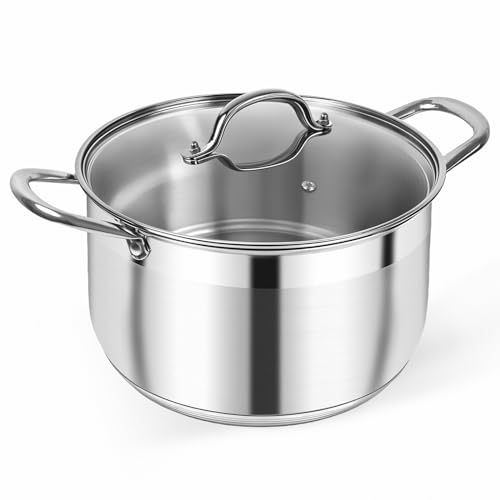
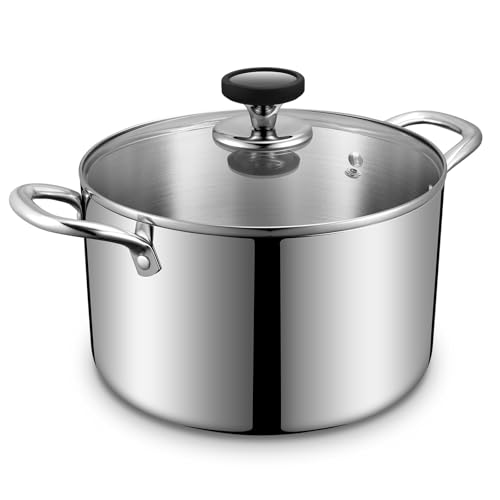
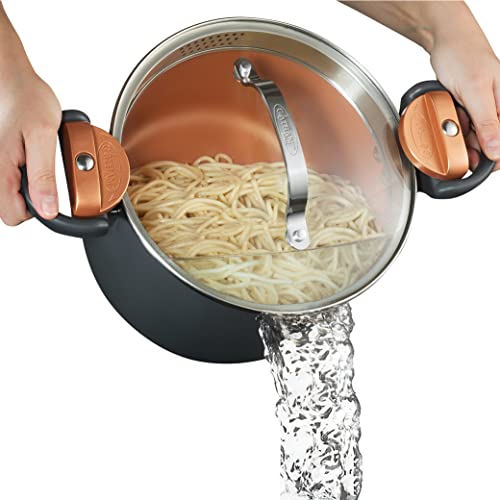
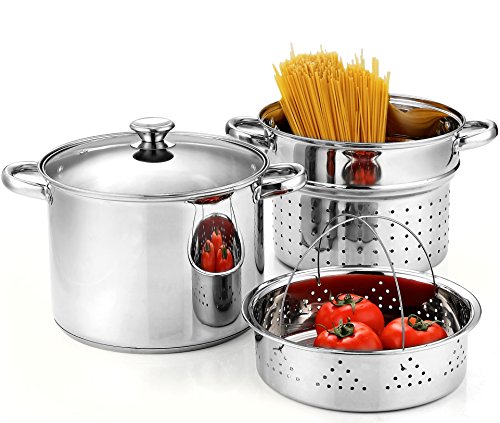
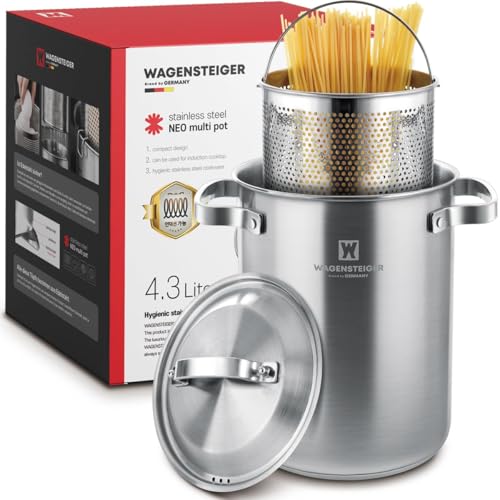
Large Stockpot: A large stockpot is essential for achieving the full-bodied flavor of the broth and for evenly cooking the pasta. Stainless steel is preferred for its even heat distribution, but a heavy-duty non-stick pot can also work.
Wooden Spoon: Using a wooden spoon helps prevent the pasta from sticking to the bottom of the pot and allows for gentle stirring, which is important to maintain the integrity of the pasta shapes. A silicone spatula can be a good alternative.
Fine Mesh Strainer: A fine mesh strainer is important for rinsing the pastina before cooking to remove excess starch and ensure a clear broth. Look for one with a sturdy handle and a fine mesh to catch all small pasta pieces.



Ingredients
For the Base
|
| Amount | Ingredient | Notes |
|---|---|---|
| 6 cups | chicken broth | homemade or low-sodium store-bought for depth of flavor |
| 1 cup | pastina | tiny pasta shapes like stars or balls |
Vegetables
| Amount | Ingredient | Notes |
|---|---|---|
| 1 medium | carrot | peeled and finely diced |
| 1 large | celery stalk | finely diced |
| 1 small | onion | finely chopped |
Seasonings
| Amount | Ingredient | Notes |
|---|---|---|
| 1 teaspoon | salt | to taste |
| 1 teaspoon | black pepper | freshly ground |
| 1 tablespoon | olive oil | for sautéing |



Preparation Methods
Sautéing Aromatics: Sautéing the aromatics, such as onions, carrots, and celery, is crucial for building the base flavor of the soup. This step enhances the sweetness and complexity of the vegetables, making the soup more flavorful.
Simmering: Simmering the broth gently allows the flavors to meld without evaporating too much liquid. Keep the heat low enough to maintain a gentle bubble, which ensures the pasta cooks evenly and the broth remains clear.
Rinsing Pasta: Rinsing the pastina under cold water before adding it to the soup helps remove excess starch, which can make the broth cloudy. This technique also prevents the pasta from clumping together.

Step 1: Prepare Ingredients
Gather and measure all your ingredients.
Ensure vegetables are diced evenly for uniform cooking.
Rinse the pastina under cold water to remove excess starch.
Set aside in separate bowls for easy access during cooking.





Step 2: Sauté Aromatics

Heat olive oil in a large stockpot over medium heat.
Add diced onions, carrots, and celery to the pot.
Stir occasionally, cooking until onions are translucent and vegetables are soft.
Take care not to brown the vegetables, as this can change the flavor profile.



Step 3: Add Broth
Pour the chicken broth into the pot with the sautéed vegetables.
Increase the heat to bring the mixture to a gentle boil.
Stir occasionally to combine flavors and ensure even heating.
Watch for small bubbles forming along the pot's edge, indicating a simmer.





Step 4: Season the Broth

Add salt and pepper to the broth, adjusting to taste.
Stir gently to distribute the seasonings throughout the soup.
Taste the broth and adjust seasoning if necessary.
Remember that the flavors will intensify as the soup simmers.



Step 5: Add Pastina
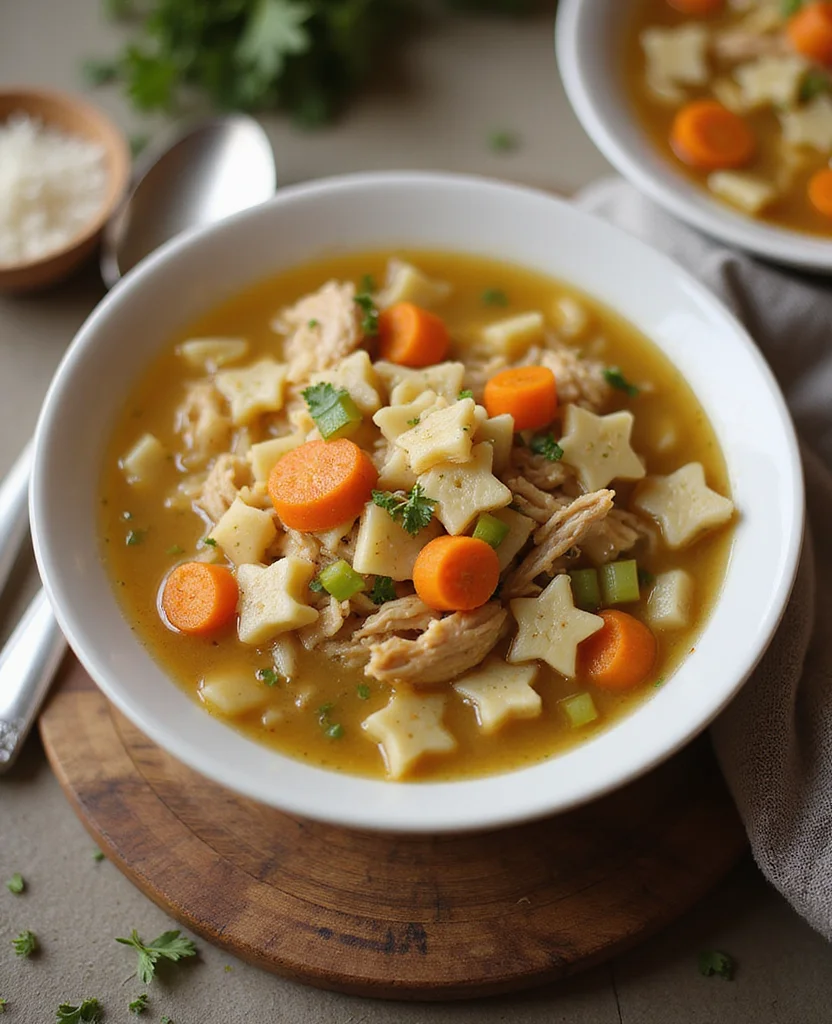
Once the broth is simmering, add the rinsed pastina to the pot.
Stir gently to ensure the pasta is evenly distributed.
Return the soup to a gentle simmer and cook for about 10 minutes.
Check the pastina occasionally to ensure it is tender but not mushy.



Step 6: Final Adjustments
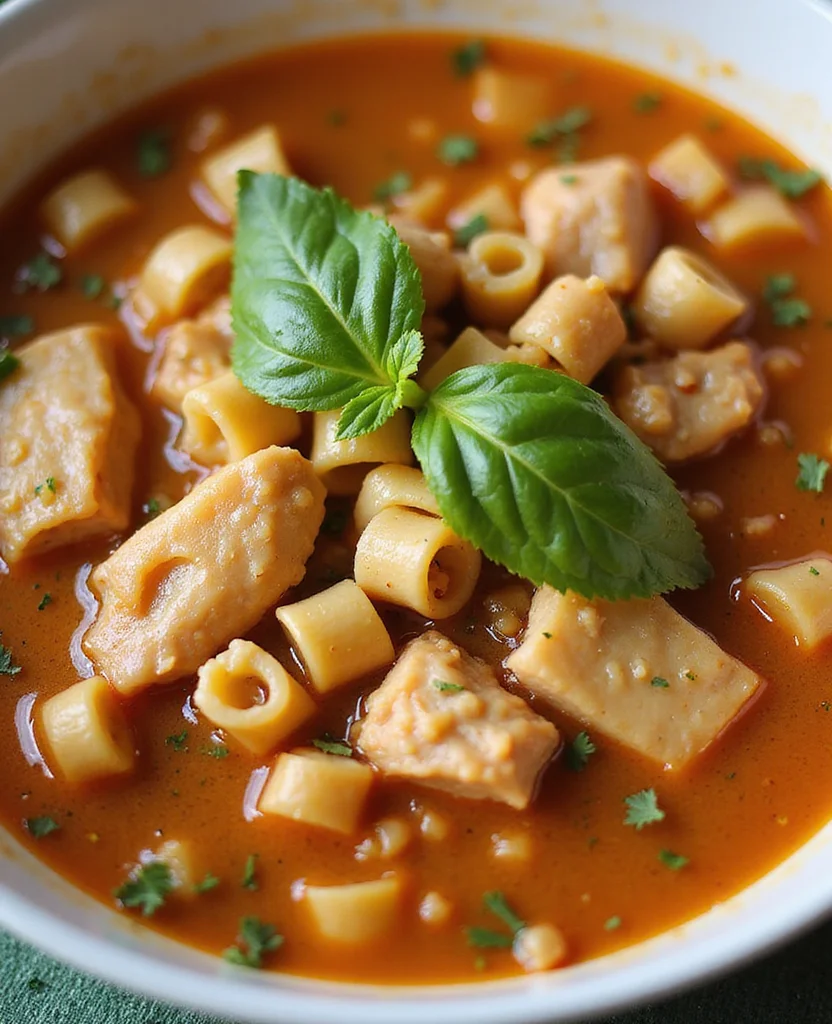
Taste the soup and adjust seasoning if necessary.
Ensure the vegetables are tender and the pastina is cooked to your liking.
Remove the pot from heat once everything is cooked through.
Let the soup rest for a minute before serving to settle flavors.
Step 7: Serve the Soup
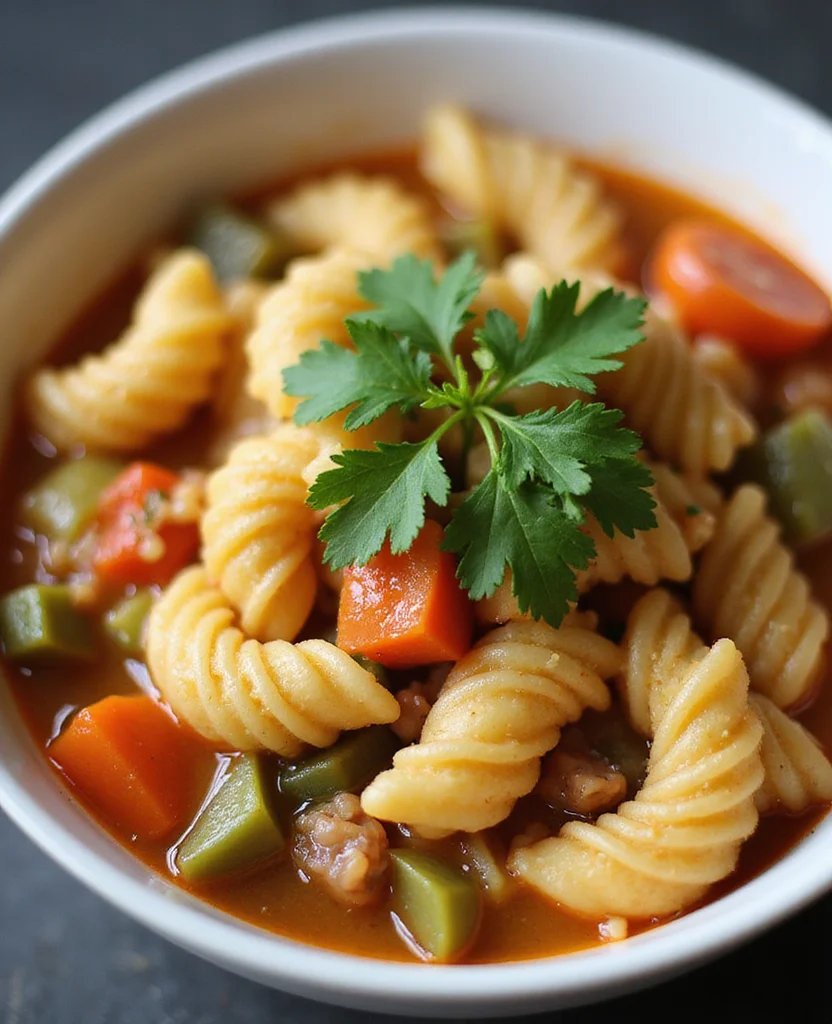
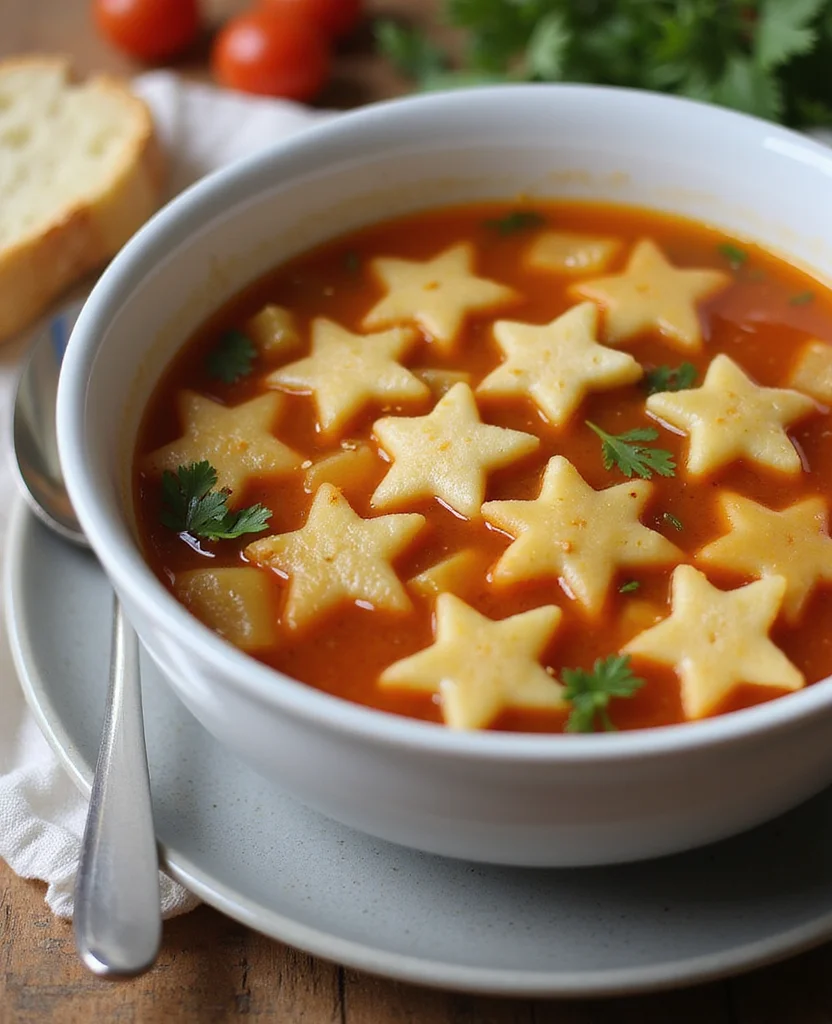
Ladle the hot soup into bowls, ensuring even distribution of pasta and vegetables.
Garnish with fresh herbs like parsley if desired.
Serve immediately while hot, accompanied by crusty bread.
Enjoy the comforting warmth of this traditional dish.


Critical Timing and Temperature Guide
Sautéing Vegetables: Sauté for 5-7 minutes over medium heat, until vegetables are soft and onions are translucent, avoiding browning to maintain flavor balance.
Simmering Broth: Maintain a gentle simmer at low-medium heat for 10-15 minutes, with small bubbles forming, to meld flavors without reducing too much liquid.
Cooking Pastina: Cook pastina in simmering broth for 10 minutes, checking for tenderness, with a goal of soft but not mushy texture.
Pro Tips for Pastina Soup Italian
• Ingredient Selection: High-quality chicken broth significantly impacts the flavor, so opt for homemade or a premium low-sodium version.
• Preparation Secret: Rinsing pastina to remove excess starch keeps the broth clear and prevents pasta clumping.
• Temperature Management: Keeping the soup at a gentle simmer prevents the pasta from overcooking and becoming mushy.
• Texture Enhancement: Stirring gently during cooking helps maintain the integrity of the small pasta shapes.
• Flavor Layering: Sauté aromatics thoroughly to deepen the base flavor before adding broth.
• Make-Ahead Strategies: Prepare the soup base a day ahead and refrigerate, adding pastina fresh when reheating for best texture.
• Restaurant-Quality Finishing Touches: Garnish with fresh herbs like parsley or a drizzle of extra virgin olive oil before serving.
• Equipment Optimization: A heavy-bottomed pot ensures even cooking and prevents hotspots that can lead to uneven pasta cooking.


Troubleshooting Common Issues
• Broth Too Cloudy: Cloudiness often results from not rinsing the pastina thoroughly. Strain the soup through a fine mesh strainer and reheat with fresh broth.
• Pasta Too Mushy: Overcooked pastina can turn mushy. Cook it separately and add to the soup just before serving to maintain texture.
• Sour-Tasting Broth: Sourness can occur if the soup simmers too long. Add a pinch of sugar or a splash of cream to balance the acidity.
• Vegetables Undercooked: Ensure vegetables are diced small and sautéed properly before adding the broth.
• Flavors Too Bland: Insufficient seasoning can lead to blandness. Adjust salt and pepper to taste, and consider adding a pinch of garlic powder or a bay leaf during simmering.
Variations and Regional Differences
• Tuscan Style: Incorporates cannellini beans and Tuscan kale, adding a hearty texture and earthy flavor.
• Roman Variation: Uses pecorino romano cheese and lemon zest for a tangy, savory twist.
• Sicilian Influence: Includes crushed tomatoes and basil, bringing a sweet and aromatic profile to the soup.
• Vegetarian Version: Replaces chicken broth with vegetable broth and adds zucchini for a lighter, veggie-packed option.
Food Science Behind the Recipe
• Starch Gelatinization: Understanding how starches swell and thicken in liquid helps achieve the perfect broth consistency without it turning gluey.
• Maillard Reaction: Sautéing vegetables invokes the Maillard reaction, breaking down sugars and proteins to enhance flavor depth.
• Flavor Release: Simmering at the right temperature allows volatile aroma compounds to release, enriching the soup's aroma and taste.
Frequently Asked Questions
What's the most common mistake people make when preparing Pastina Soup? Overcooking the pastina is a common issue, as it can quickly become mushy. Cooking it separately and adding it at the end helps maintain the ideal texture.
Can I freeze Pastina Soup? Yes, but it's best to freeze the soup base without pastina. Add freshly cooked pastina when reheating for best results.
What can I substitute for pastina if I can't find it? Small pasta shapes like orzo or acini di pepe can be used as substitutes in this recipe.
How can I make the soup more filling? Add cooked chicken or beans for additional protein and heartiness.
What herbs go well with Pastina Soup? Fresh parsley, basil, and thyme complement the flavors well and add a fresh touch.
Is it necessary to use chicken broth? While chicken broth provides a rich flavor, vegetable broth can be used for a vegetarian version.
Why is my soup too salty? If the soup is too salty, add a raw potato to absorb some of the salt, or dilute with unsalted broth or water.
Serving and Presentation Guide
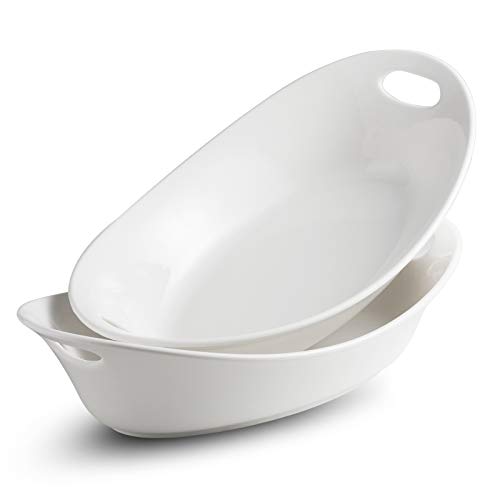
• Traditional Presentation: Serve the soup in deep bowls, garnished with fresh parsley and a drizzle of olive oil for an authentic touch.
• Modern Twist: Add a sprinkle of grated Parmesan cheese and freshly cracked black pepper just before serving.
• Family Style: Serve in a large tureen at the center of the table, allowing guests to ladle their own portions.
• Casual Gathering: Pair with crusty bread or garlic crostini for a cozy meal.




Conclusion
Pastina Soup Italian Penicillin is a timeless dish that brings warmth and comfort to any occasion.
Its simplicity and rich flavors make it a favorite among those who appreciate traditional Italian cooking.
I encourage you to try this recipe and experience the nurturing qualities of this beloved soup in your own home.