
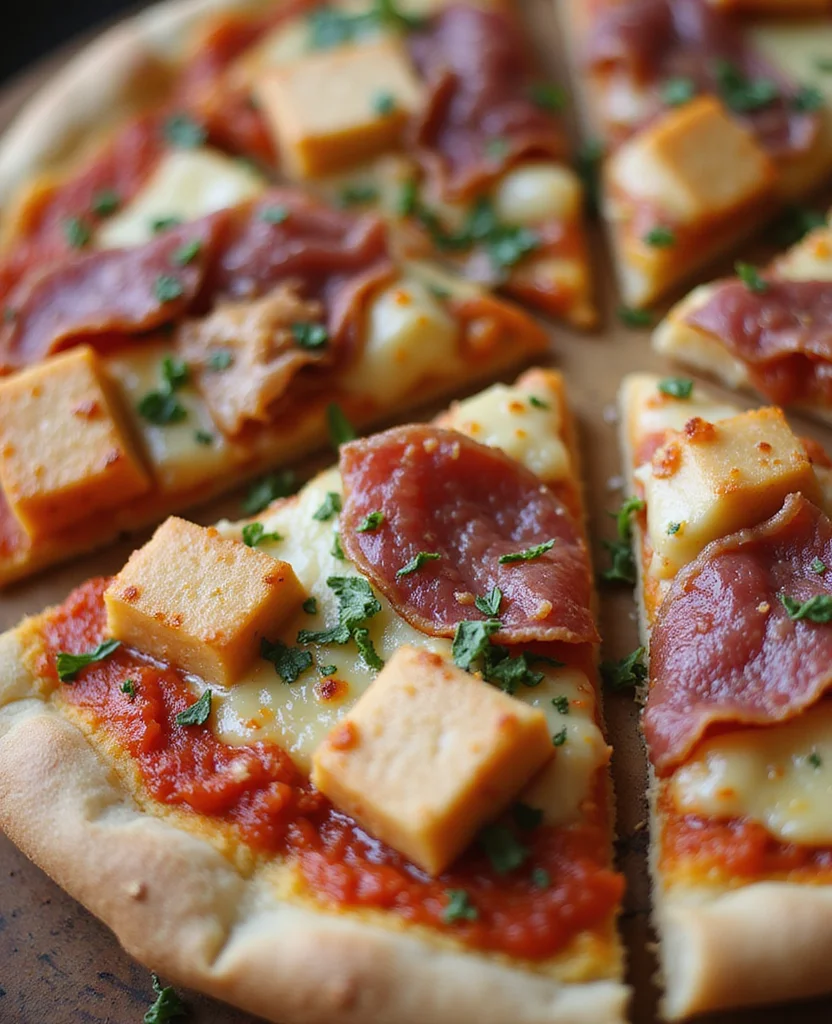
Pizza Rustica Italian is a savory pie that embodies the heart of Italian culinary tradition.
The combination of rich meats, creamy cheeses, and a flaky crust offers a symphony of flavors in every bite.
I first encountered this delightful dish during a springtime festival in Naples, where it was served as a festive centerpiece.
Perfect for Easter celebrations or any special occasion, this dish brings people together around the table.
The indulgent filling and the golden crust make it a standout choice for festive gatherings.
Whether you’re an experienced cook or a beginner, this recipe is approachable and yields impressive results.
The History and Cultural Significance
• Pizza Rustica Italian traces its origins to Southern Italy, specifically around the 17th century, where it was originally created by Italian peasants using available ingredients.
• The dish evolved over decades as more refined ingredients like cheeses and cured meats were incorporated, eventually becoming the beloved version we know today.
• In Italian culture, this dish traditionally appears at Easter celebrations, symbolizing abundance and the end of Lent.
• While many variations exist across different regions, the authentic version maintains a rich and dense filling that sets it apart from imitations.



Recipe Overview
Nutritional Information (per serving)
Essential Equipment Guide
Springform Pan: Essential for achieving the high, structured sides needed for Pizza Rustica. Alternatives like deep-dish pie pans can work, but a springform pan allows for easy removal.
Pastry Blender: Important for cutting butter into flour for a flaky crust. You can substitute with two knives or a fork, but a pastry blender ensures even distribution of fat.
Baking Sheet: Placing the springform pan on a baking sheet catches any potential drips and ensures even heat distribution. Look for heavy-duty, non-stick options.
Ingredients
For the Crust
|
| Amount | Ingredient | Notes |
|---|---|---|
| 3 cups | all-purpose flour | sifted for a light texture |
| 1 teaspoon | salt | enhances flavor |
| 1 cup | unsalted butter | chilled and cubed for flakiness |
| 2 large | eggs | beaten |
| 1/4 cup | ice water | adjust to dough consistency |
For the Filling
| Amount | Ingredient | Notes |
|---|---|---|
| 1 pound | ricotta cheese | drained |
| 1 cup | grated pecorino cheese | adds sharpness |
| 1 cup | diced mozzarella cheese | melts for creamy texture |
| 4 large | eggs | beaten |
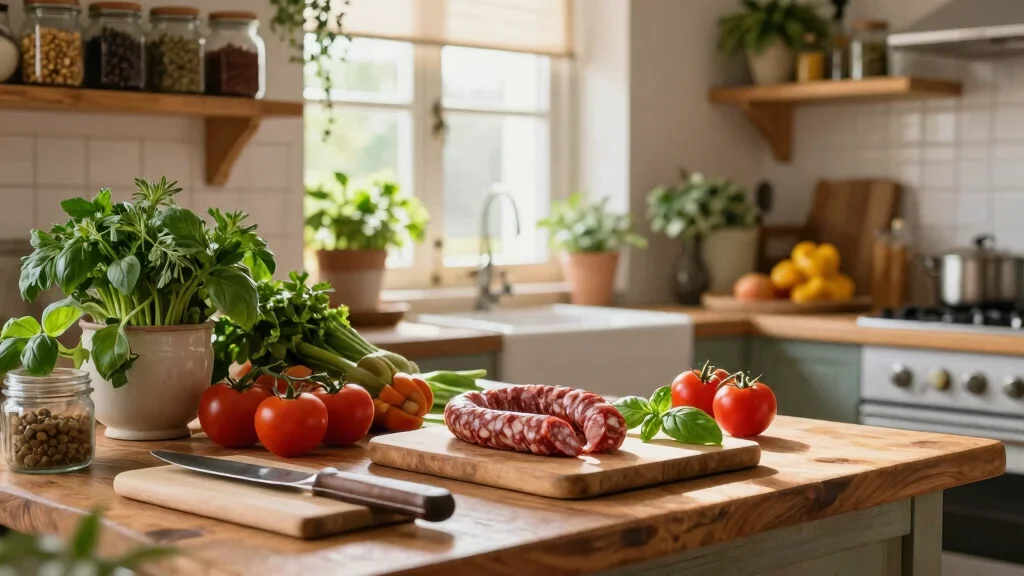
| 1/2 pound | salami | diced for flavor |
| 1/2 pound | prosciutto | thinly sliced |
| 1/2 teaspoon | black pepper | seasoning |
| 1/4 teaspoon | nutmeg | adds warmth |



Preparation Methods
Blind Baking: This involves pre-baking the crust before adding the filling to prevent a soggy bottom. Use pie weights or dried beans to keep the crust flat.
Cheese Draining: Ricotta cheese needs to be well-drained to avoid a watery filling. Use a cheesecloth or fine mesh sieve for best results.
Layering: Carefully layering meats and cheeses creates a balanced flavor profile. Alternate layers to ensure even distribution and avoid clumping.




Step 1: Prepare Ingredients
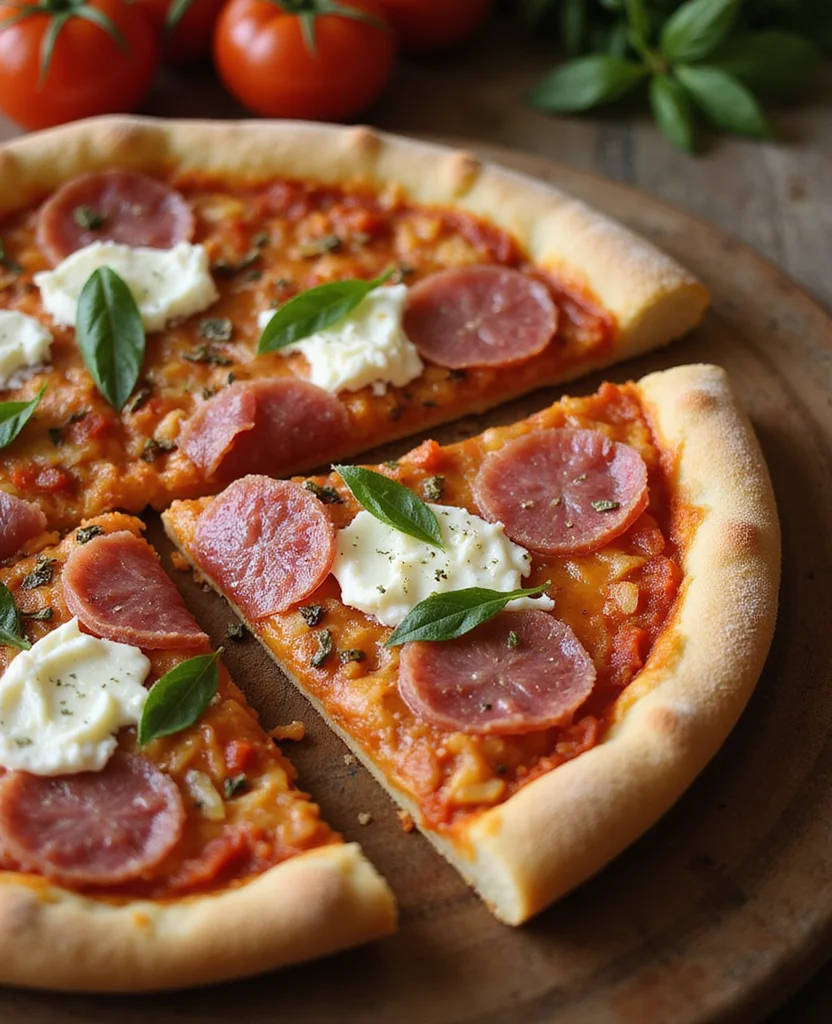
Gather all ingredients and measure them accurately.
Sift the flour and cube the butter.
Dice the salami and prosciutto for the filling.
Ensure all cheeses are prepped and drained.


Step 2: Make the Dough
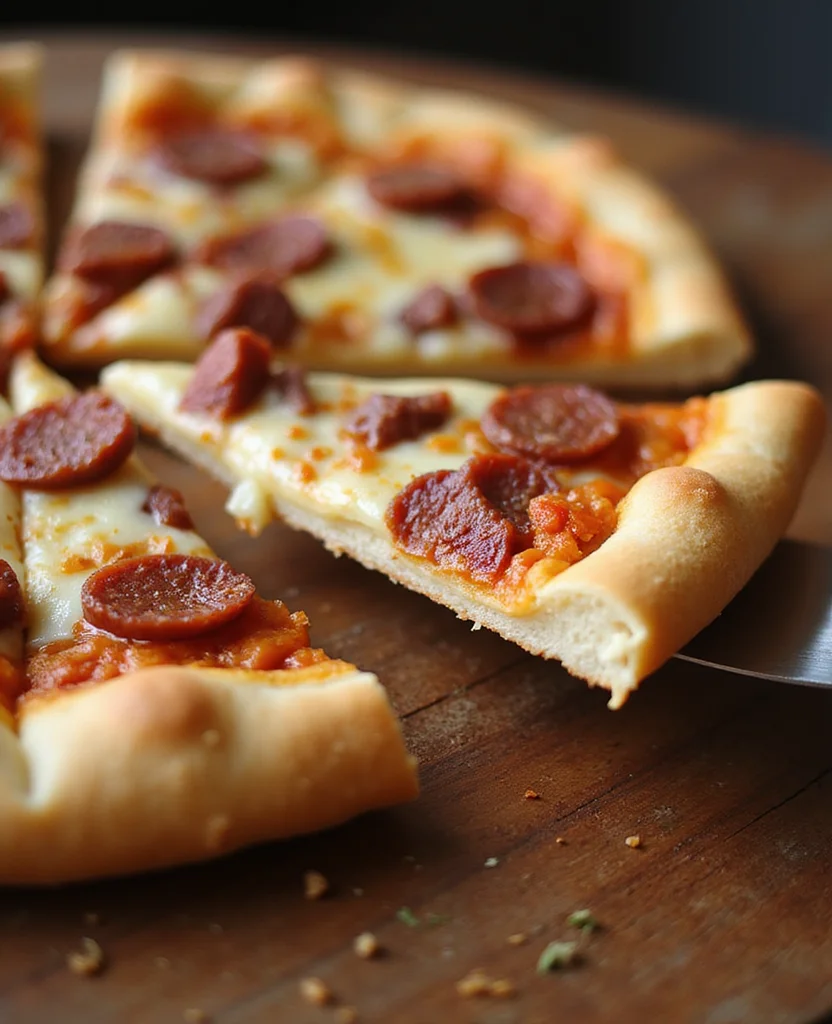
In a large bowl, combine flour and salt.
Add cubed butter and use a pastry blender to incorporate until crumbly.
Add beaten eggs and ice water gradually, mixing until dough forms.
Wrap dough in plastic wrap and refrigerate for 30 minutes.
Step 3: Preheat Oven
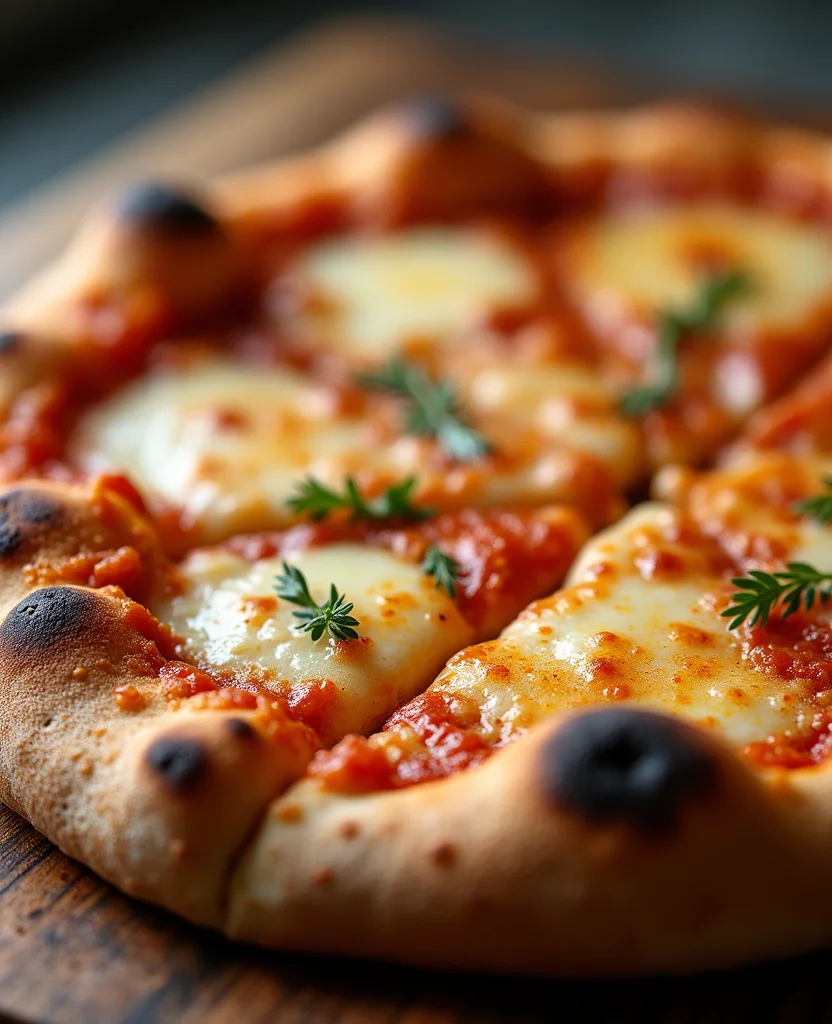
Preheat your oven to 375°F (190°C).
Place a rack in the lower third of the oven for even baking.
Prepare a baking sheet lined with parchment paper.
Ensure the oven is fully preheated before baking.


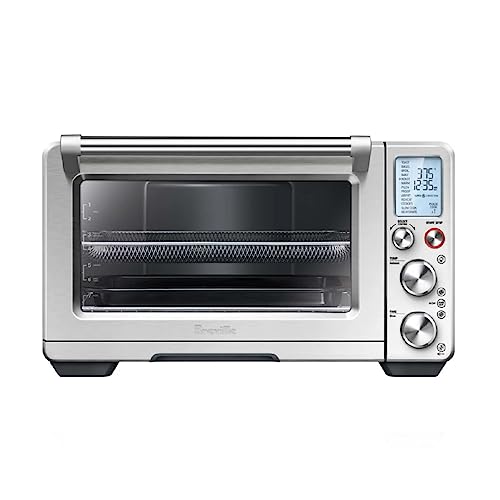
Step 4: Roll Out Dough
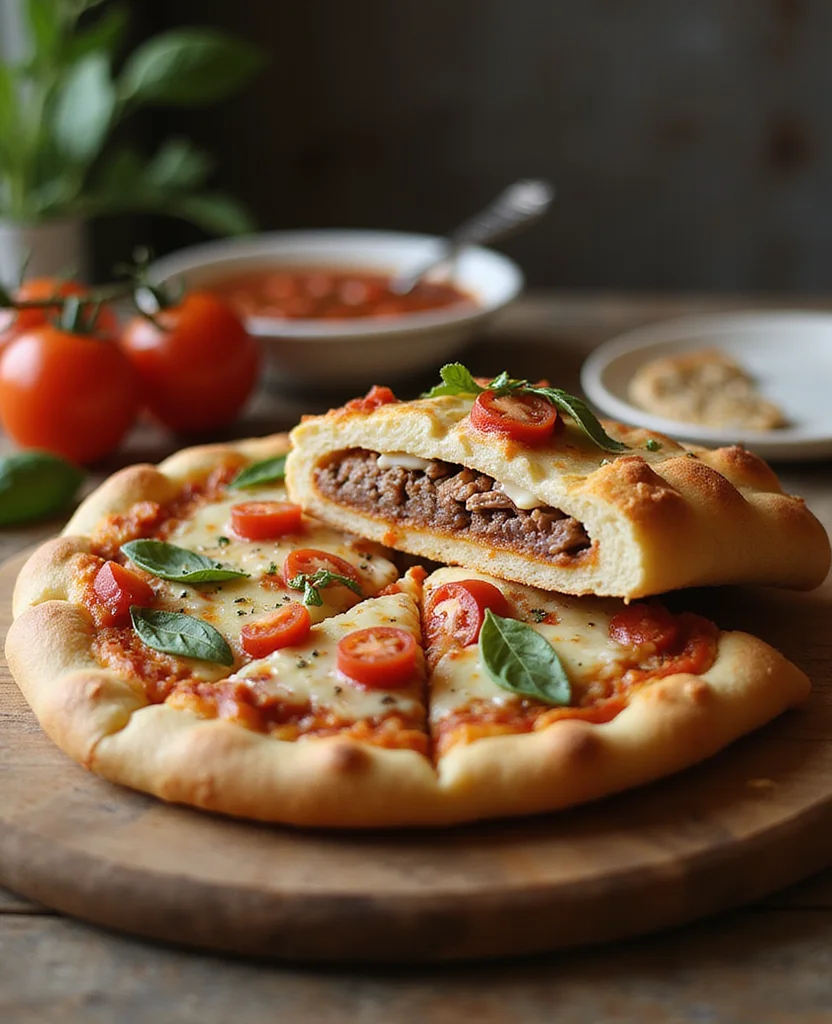
Divide dough into two portions, one slightly larger for the base.
Roll out the larger portion on a floured surface to fit your pan.
Gently lift the dough into the springform pan, pressing into the corners.
Trim excess dough, leaving a 1-inch overhang.
Step 5: Prepare Filling
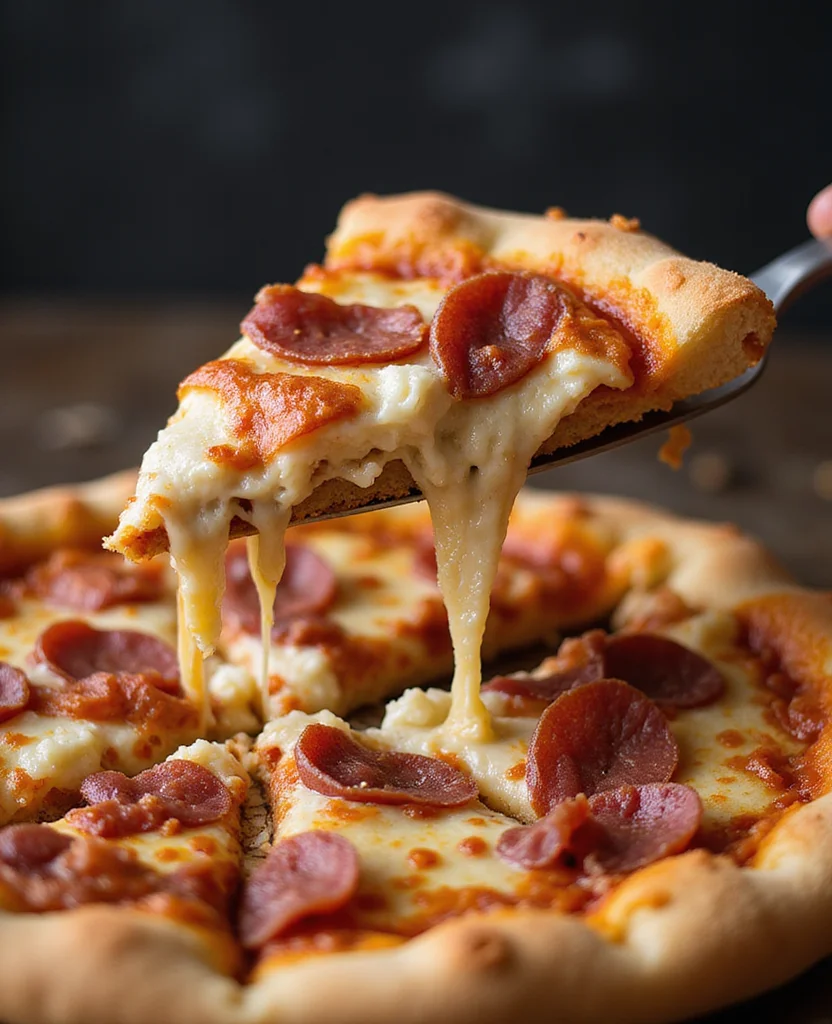
In a large bowl, combine ricotta, pecorino, mozzarella, and beaten eggs.
Stir in diced salami, prosciutto, black pepper, and nutmeg.
Mix until all ingredients are evenly distributed.
The mixture should be thick and cohesive.
Step 6: Assemble Pie
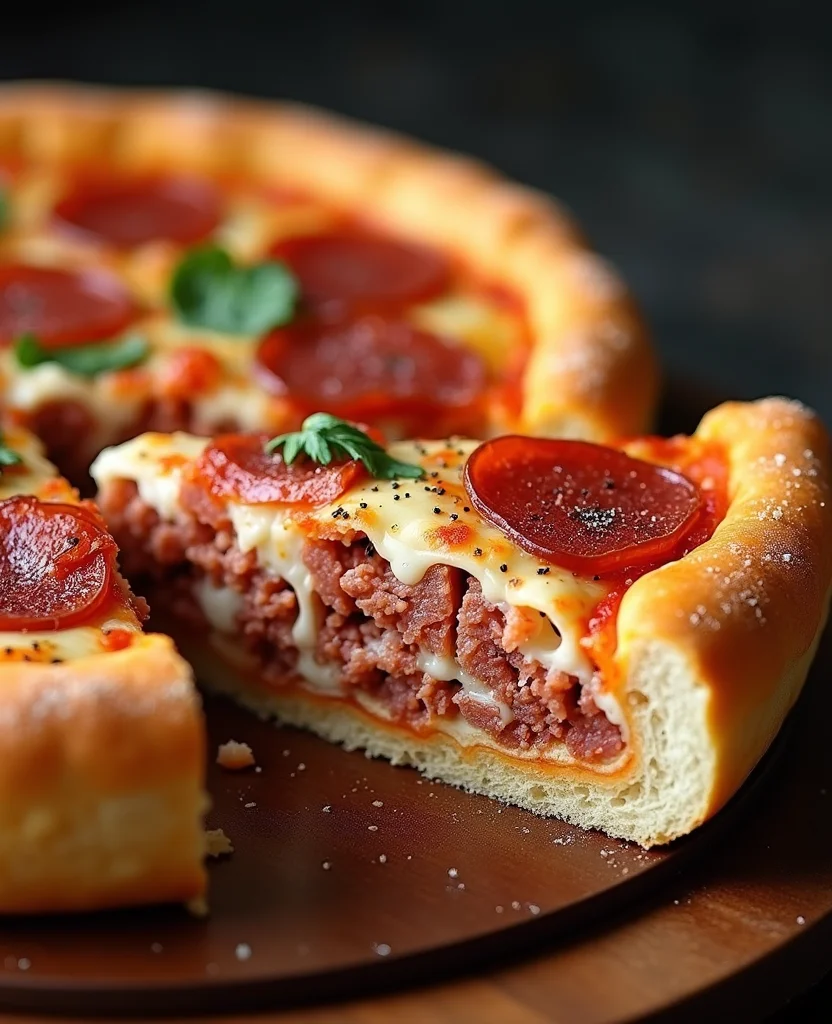
Pour the filling into the prepared crust, spreading evenly.
Roll out the second portion of dough and place it over the filling.
Seal edges by crimping the top and bottom crust together.
Cut a few slits in the top to allow steam to escape.
Step 7: Bake Pie
Place the pie on the prepared baking sheet.
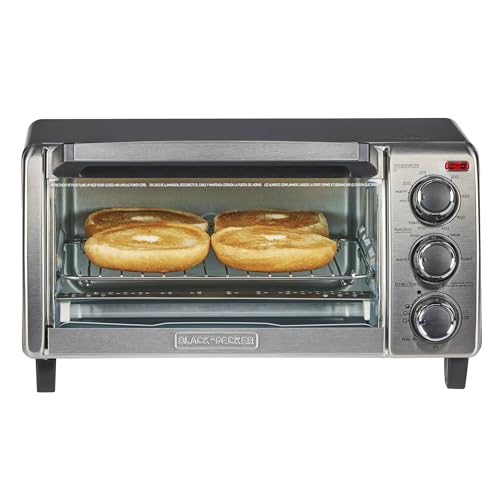
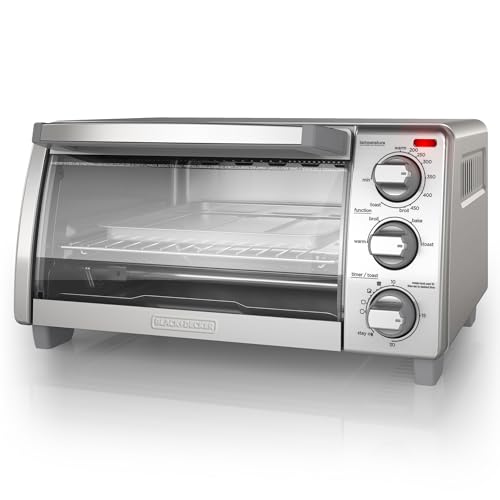
Bake in the preheated oven for 60 minutes.
The crust should be golden brown and firm to the touch.
If browning too quickly, cover with foil halfway through.


Step 8: Cool and Serve

Remove the pie from the oven and let cool in the pan for 15 minutes.
Carefully release the springform to expose the sides.
Transfer to a serving platter and let cool further if needed.
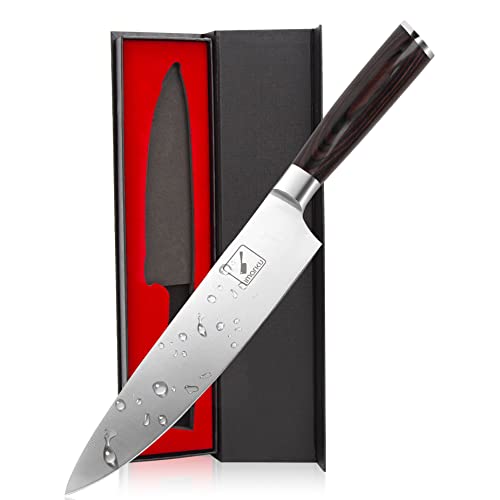
Slice and serve warm or at room temperature.




Critical Timing and Temperature Guide
Dough Chilling: Chill the dough for at least 30 minutes to relax gluten and prevent shrinking.
Blind Baking: Bake crust for 10 minutes before adding filling to ensure crispness.
Final Baking: Bake at 375°F (190°C) for 60 minutes, checking for a golden crust and firm filling.
Pro Tips for Pizza Rustica Italian
• Ingredient Selection: Use high-quality ricotta and pecorino cheeses for the best flavor.
• Preparation Secret: Let the dough rest to improve elasticity and ease of rolling.
• Temperature Management: Use room temperature ingredients for a smooth filling.
• Texture Enhancement: Ensure the ricotta is well-drained to avoid a watery texture.
• Flavor Layering: Alternate layers of meats and cheeses for balanced flavor.
• Make-Ahead Strategies: Prepare dough and filling a day in advance, storing separately.
• Restaurant-Quality Finishing Touches: Brush top crust with egg wash for shine.
• Equipment Optimization: Ensure even baking by rotating the pan halfway through.
Troubleshooting Common Issues
• Soggy Crust: Caused by under-baking or wet filling. Ensure thorough blind baking and drain ricotta well.
• Filling Leakage: Check for properly sealed edges and avoid overfilling.
• Overbrowned Crust: Cover with foil if browning too quickly, and monitor oven temperature.
• Dense Texture: Result of under-mixed filling or insufficient cheese drainage. Mix thoroughly and drain cheese.
• Uneven Baking: Rotate the pan halfway through to ensure even heat distribution.
• Crust Shrinking: Avoid overworking dough and ensure sufficient chilling time.
Variations and Regional Differences
• Neapolitan Style: Features a lighter filling with fewer meats and more vegetables like spinach.
• Sicilian Variation: Incorporates sweet ingredients like raisins and pine nuts for a unique flavor.
• Tuscan Influence: Uses a blend of different cheeses, including pecorino and fontina, for depth.
• Modern Twist: Incorporates seasonal vegetables for a fresher, lighter take.
Food Science Behind the Recipe
• Gluten Development: Understanding how gluten formation in dough affects elasticity and structure, leading to a sturdy crust.
• Emulsion in Filling: How the blending of eggs and cheeses creates a stable, cohesive filling.
• Maillard Reaction: The browning of the crust due to sugar and protein interactions, enhancing flavor.
Frequently Asked Questions
What's the most common mistake people make when preparing Pizza Rustica? Overfilling the crust, leading to spills and uneven baking.
Can I use different cheeses? Yes, feel free to experiment with your favorite cheeses, but ensure they melt well.
How do I prevent the crust from getting soggy? Drain ricotta thoroughly and blind bake the crust.
Can this dish be made in advance? Yes, prepare and store components separately, then assemble and bake when ready.
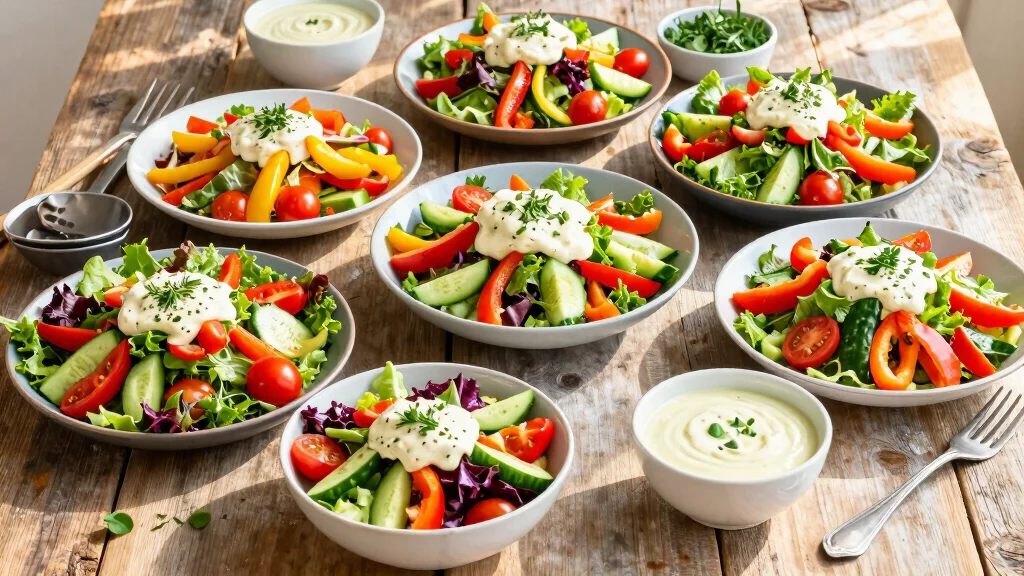
What can I serve with Pizza Rustica? A simple green salad complements the richness of the pie.
Is there a vegetarian version? Substitute meats with roasted vegetables like zucchini and bell peppers.
How do I store leftovers? Wrap in foil and refrigerate for up to three days, reheating gently before serving.
Serving and Presentation Guide
• Traditional Presentation: Serve in the springform pan and slice at the table for a rustic feel.
• Individual Portions: Bake in smaller ramekins for personal servings.
• Decorative Touch: Garnish with fresh herbs like basil or parsley for a pop of color.
• Buffet Style: Pre-slice and arrange on a platter for easy serving at gatherings.
Conclusion
Pizza Rustica Italian is a timeless dish that brings a touch of Italy to your table.
Its rich flavors and inviting aroma make it a standout choice for any occasion.
I encourage you to try this recipe and experience the joy of sharing a homemade Italian classic.